Carbon Dioxide → Styrene
Reaction equation

P([O-])([O-])[O-].[C:5]1([C:11]#[CH:12])[CH:10]=[CH:9][CH:8]=[CH:7][CH:6]=1.CCC[CH2:16][CH2:17][CH2:18][CH2:19][CH2:20][CH2:21][CH2:22][CH3:23].C(=O)=O>>[CH2:12]=[CH:11][C:5]1[CH:10]=[CH:9][CH:8]=[CH:7][CH:6]=1.[C:18]1([C:17]#[CH:16])[CH:19]=[CH:20][CH:21]=[CH:22][CH:23]=1Participants



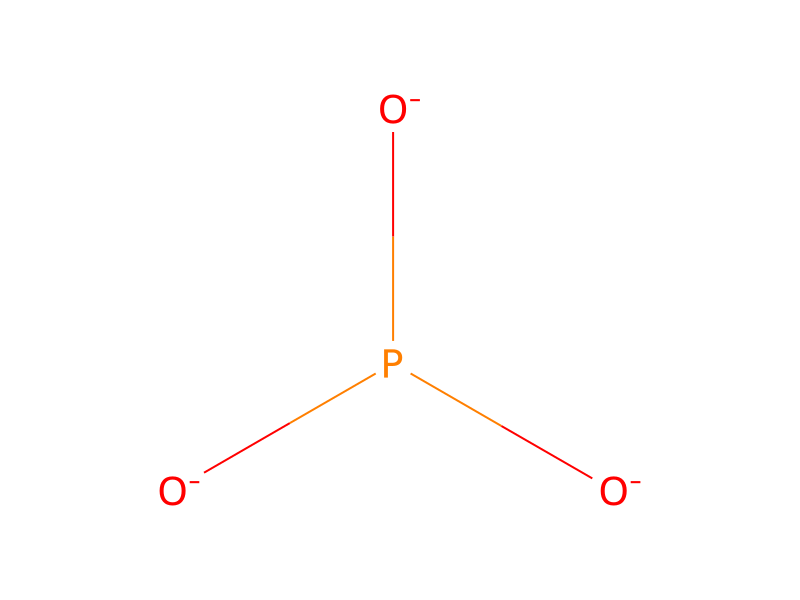

Conditions
- Temperature
- -60 °C
Procedure
To a 300 mL stainless steel autoclave equipped with two sapphire windows containing Rh(acac)(CO)2 (10.4 mg, 4×10⁻² mmol) and phosphite ligand MCP-1 (8×10⁻² mmol) was added phenylacetylene (204 mg, 2.0 mmol) and n-undecane (156 mg, 1.0 mmol) (the internal standard for GC analysis). The air was replaced by CO through pressurization (2-3 atm) and release for 2-3 times, and CO (7 atm) was introduced followed by H2 (14 atm). The reaction vessel was cooled to -60° C. and CO2 (78 atm) was introduced. The mixture was allowed to stir at 60° C. and 100 atm for 20 h. The autoclave was cooled to 0° C. and all the gasses were carefully released. The conversion of the reaction was estimated by 1H NMR analysis and the products ratio and yields were determined by GLC analysis using an authentic sample of each aldehyde. Products were also identified by 1H NMR analyses. Under these conditions, a considerable amount of styrene formed through hydrogenation of phenylacetylene remained unreacted (20%) at 80% conversion. A mixture of saturated and unsaturated aldehydes was formed in 60% yield, which consisted of 3-phenylpropanal (46%). 2-phenylpropanal (48%), 3-phenylpropenal (0.4%), and 2-phenylpropenal (5.6%).
Workup
- additionwas introduced
- temperatureThe autoclave was cooled to 0° C.
- customthe products ratio and yields
Sources & evidence
- ORD record
- ord-09ee8066cab34ab888747165a7c74f73
- Source dataset
- uspto-grants-1999_10
- Patent number
- US05962744
Reaction notes
Loading…