Potassium Carbonate → 1,3,4,5-Tetrahydro-6-(2-oxiranylmethoxy)-2H-1-benzazepin-2-one
Reaction equation

[OH:1][C:2]1[C:7]2[CH2:8][CH2:9][CH2:10][C:11](=[O:13])[NH:12][C:6]=2[CH:5]=[CH:4][CH:3]=1.[CH2:14]([CH:16]1[O:18][CH2:17]1)Br.C(=O)([O-])[O-].[K+].[K+]>C(C(C)=O)C(C)C>[O:18]1[CH2:17][CH:16]1[CH2:14][O:1][C:2]1[C:7]2[CH2:8][CH2:9][CH2:10][C:11](=[O:13])[NH:12][C:6]=2[CH:5]=[CH:4][CH:3]=1Participants
5

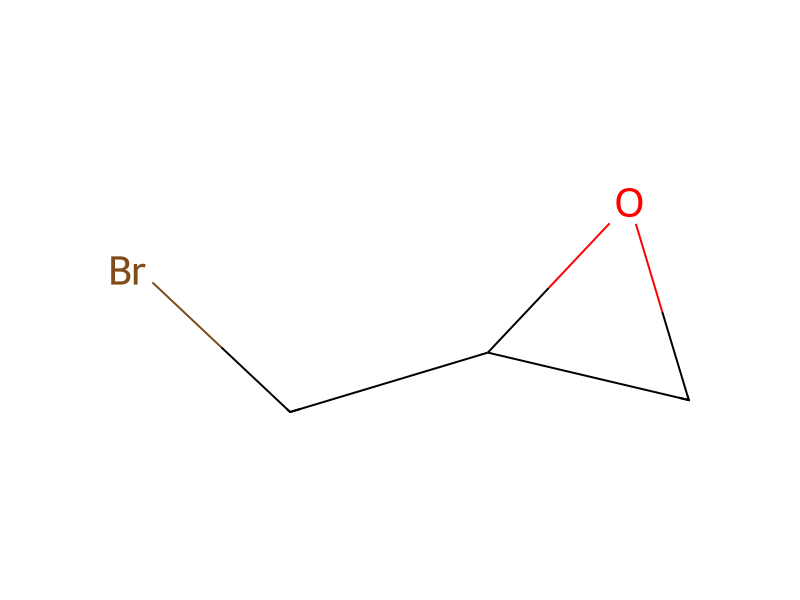


Procedure
5.3 g (0.03 mole) of 6-hydroxy-2,3,4,5-tetrahydro-1H-benzazepin-2-one, 5 ml of epibromohydrin and 4.5 g of potassium carbonate in 250 ml of methyl isobutyl ketone are refluxed for 48 hours. After the mixture has cooled, it is filtered and the filtrate is concentrated under reduced pressure on a rotary evaporator. The residue is recrystallized from cyclohexane in the presence of animal charcoal. 4.2 g (60% yield) of 6-(2,3-epoxy-propoxy)-2,3,4,5-tetrahydro-1H-1-benzazepin-2-one, of melting point 121°-123° C., are obtained.
Workup
- temperatureAfter the mixture has cooled
- filtrationit is filtered
- concentrationthe filtrate is concentrated under reduced pressure on a rotary evaporator
- customThe residue is recrystallized from cyclohexane in the presence of animal charcoal
Sources & evidence
- ORD record
- ord-0225836f782542a790b19ea8bf85e5a3
- Source dataset
- uspto-grants-1982_07
- Patent number
- US04340595
Reaction notes
Loading…