Urea → HCID 10274532, compound
Reaction equation

[N:1]1[C:2](=[O:9])[NH:3]C(=O)C(=O)C=1.C(O[C:13]([C:15]1([C:39]([O:41]CC)=O)[CH2:19][CH2:18][C:17](=[O:20])[N:16]1[C:21]1[CH:22]=[N:23][C:24]([O:27][C:28]2[CH:33]=[CH:32][C:31]([C:34]3[O:35][CH:36]=[N:37][N:38]=3)=[CH:30][CH:29]=2)=[CH:25][CH:26]=1)=[O:14])C.NC(N)=O>[O-]CC.[Na+].C(O)C>[O:35]1[CH:36]=[N:37][N:38]=[C:34]1[C:31]1[CH:30]=[CH:29][C:28]([O:27][C:24]2[N:23]=[CH:22][C:21]([N:16]3[C:15]4([C:39](=[O:41])[NH:3][C:2](=[O:9])[NH:1][C:13]4=[O:14])[CH2:19][CH2:18][C:17]3=[O:20])=[CH:26][CH:25]=2)=[CH:33][CH:32]=1Participants
6
Reactant 3
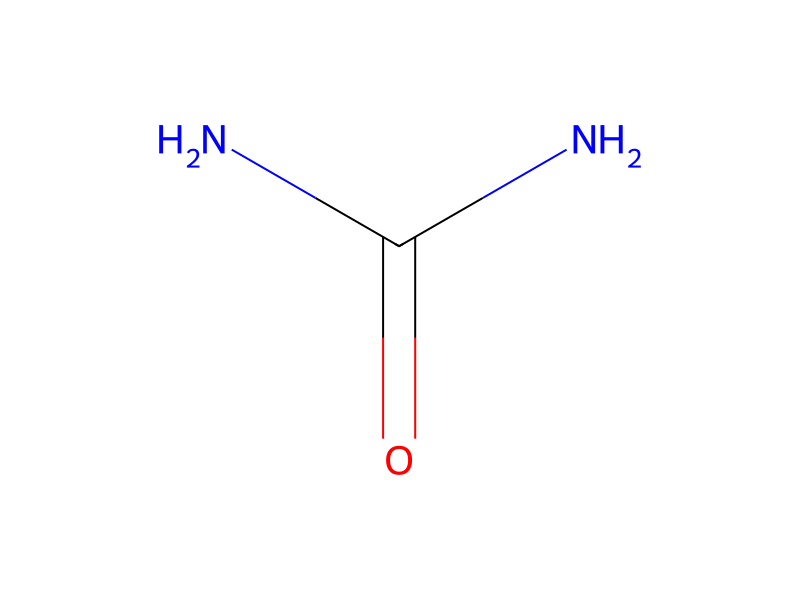


Product 1

Reagents, catalysts & solvents 2


Procedure
Following the procedure for pyrimidinetrione formation outlined in Example 1, reaction of 1-[6-(4-[1,3,4]oxadiazol-2-yl-phenoxy)-pyridin-3-yl]-5-oxo-pyrrolidine-2,2-dicarboxylic acid diethyl ester (200 mg, 0.44 mmol) with urea (0.080 g, 1.3 mmol) in 1.3 mL of 1M sodium ethoxide in ethanol afforded 25 mg of 1-[6-(4-[1,3,4]oxadiazol-2-yl-phenoxy)-pyridin-3-yl]-1,7,9-triaza-spiro[4,5]decane-2,6,8,10-tetraone as a colorless solid. 1H NMR (CD3OD, 500 MHz): 9.02 (s, 1H), 8.14 (d, 2H, J=8.0 Hz), 8.06 (d, 1H, J=2.0 Hz), 7.78 (dd, 1H, J=2.5, 9.0 Hz), 7.35 (d, 2H, J=9.0 Hz), 7.12 (d, 1H, J=9.0 Hz), 2.74 (m, 2H), 2.66 (m, 2H) ppm. MS (APCl, m/z): 435 [M+H]+.
Sources & evidence
- ORD record
- ord-2f080d9b092046439c7f8bd627e999b4
- Source dataset
- uspto-grants-2005_01
- Patent number
- US06841671B2
Reaction notes
Loading…