Aluminium lithium hydride → HCID 18005593, compound
Reaction equation

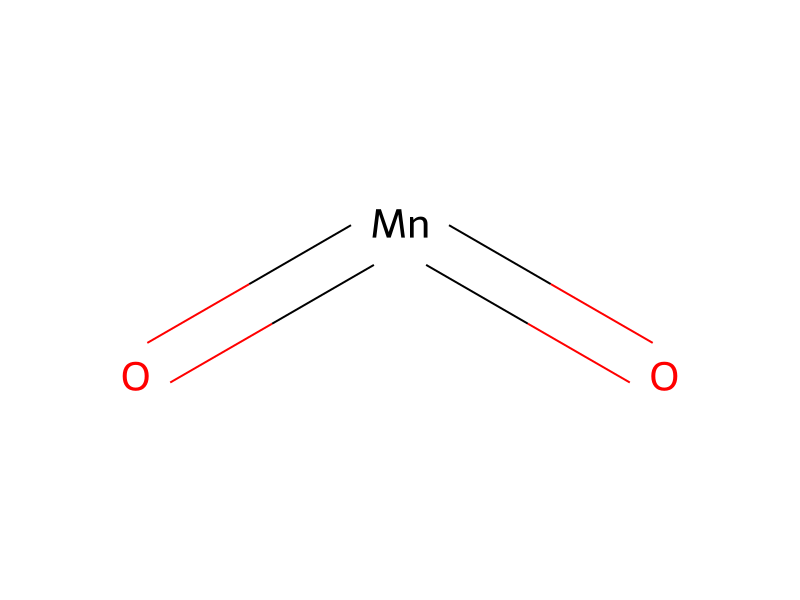
[Br:1][C:2]1[CH:7]=[CH:6][C:5]([N:8]2[C:12]([C:13](OCC)=[O:14])=[CH:11][N:10]=[CH:9]2)=[CH:4][CH:3]=1.[H-].[H-].[H-].[H-].[Li+].[Al+3]>O=[Mn]=O>[Br:1][C:2]1[CH:3]=[CH:4][C:5]([N:8]2[C:12]([CH:13]=[O:14])=[CH:11][N:10]=[CH:9]2)=[CH:6][CH:7]=1Participants
Reactant 2


Product 1

Reagents, catalysts & solvents 1
Procedure
Ethyl 1-(4-bromophenyl)-1H-imidazole-5-carboxylate (4) was constructed through the condensation of tosylmethyl isocyanide and hemi-aminal 3, which in turn was produced by the addition of 4-bromoaniline (2) to ethyl glyoxalate (1). Ester 4 was reduced with LiAlH4 at −40° C. and the resulting alcohol 5 oxidised with MnO2 to furnish 1-(4-bromophenyl)-1H-imidazole-5-carbaldehyde (6), which was condensed with ethyl azidoacetate to give the α,β-unsaturated ester 7. The pyrrolo[2,3-d]imidazole core 8 was then formed by thermal cyclisation of 7 in refluxing in p-xylene. Hydrolysis of 8 provided 1-(4-bromophenyl)-1,4-dihydropyrrolo[2,3-d]imidazole-5-carboxylic acid (9) which could be coupled with various amines, for example, with 2-methoxyethylamine to give amide 10.
Sources & evidence
- ORD record
- ord-42d0ee93fb3c470fbb2c1cd518101bc1
- Source dataset
- uspto-grants-2009_03
- Patent number
- US07498354B2
Reaction notes
Loading…