Ammonia → HCID 67151606, compound
Reaction equation

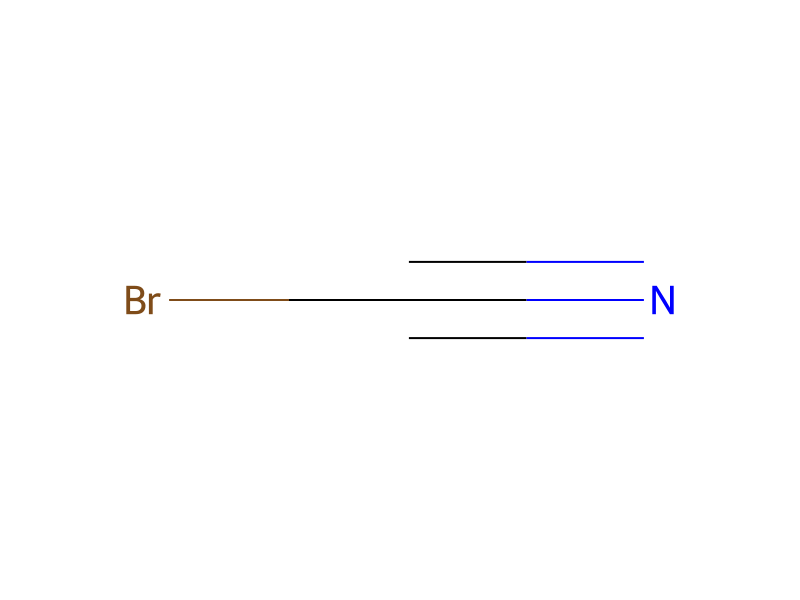
[NH2:1][CH:2]([C:5]1[CH:10]=[CH:9][C:8]([NH:11][C:12]([NH:14][C:15]2[CH:20]=[CH:19][C:18]([Cl:21])=[CH:17][CH:16]=2)=[O:13])=[CH:7][CH:6]=1)[CH2:3][OH:4].C([O-])(=O)C.[Na+].[N:27]#[C:28]Br.N>CO>[NH2:27][C:28]1[O:4][CH2:3][CH:2]([C:5]2[CH:6]=[CH:7][C:8]([NH:11][C:12]([NH:14][C:15]3[CH:16]=[CH:17][C:18]([Cl:21])=[CH:19][CH:20]=3)=[O:13])=[CH:9][CH:10]=2)[N:1]=1Participants




Procedure
To a stirred suspension of 1-[4-(1-amino-2-hydroxy-ethyl)-phenyl]-3-(4-chloro-phenyl)-urea (160 mg) and sodium acetate (129 mg) in methanol (8 ml) was added dropwise a solution of cyanogen bromide (72 mg) in methanol (0.5 ml). The resulting pale yellow solution was then stirred at room temperature for 16 h. Aqueous ammonia solution (0.4 ml, 25%) was added dropwise and stirring was continued for a further hour. The mixture was then concentrated in vacuo and the residue was purified by column chromatography (Isolute® Flash-NH2 from Separtis; gradient: heptane/dichloromethane/methanol) to give (RS)-1-[4-(2-amino-4,5-dihydro-oxazol-4-yl)-phenyl]-3-(4-chloro-phenyl)-urea (91 mg, 53%) as a white solid. MS (ISP): 333.2 ([{37Cl}M+H]+), 331.1 ([{35Cl}M+H]+).
Workup
- stirringstirring
- waitwas continued for a further hour
- concentrationThe mixture was then concentrated in vacuo
- customthe residue was purified by column chromatography (Isolute® Flash-NH2 from Separtis; gradient: heptane/dichloromethane/methanol)
Sources & evidence
- ORD record
- ord-598c67db893c48ffb51e78f5dd1c6fcc
- Source dataset
- uspto-grants-2013_01
- Patent number
- US08354441B2
Reaction notes
Loading…