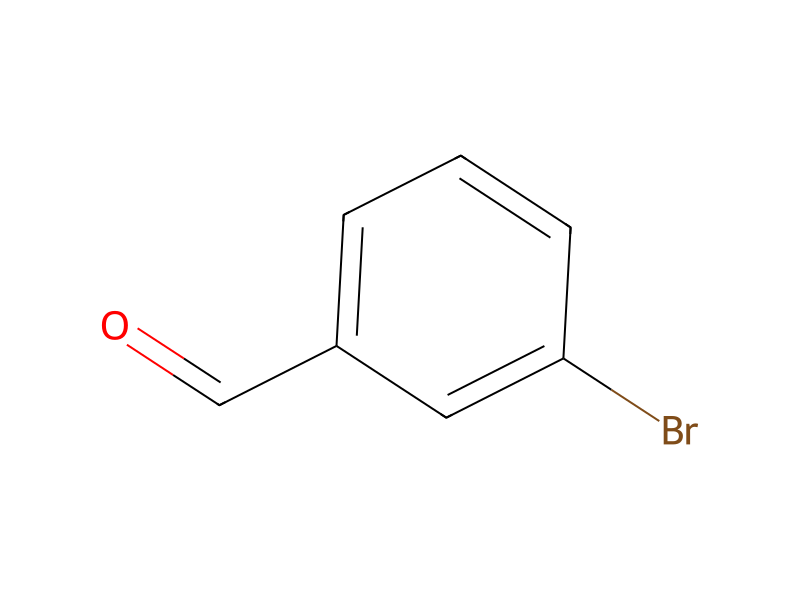
3-Bromobenzaldehyde → (3-Bromo-phenyl)-(2,4-dichloro-pyrimidin-5-yl)-methanol
Reaction equation

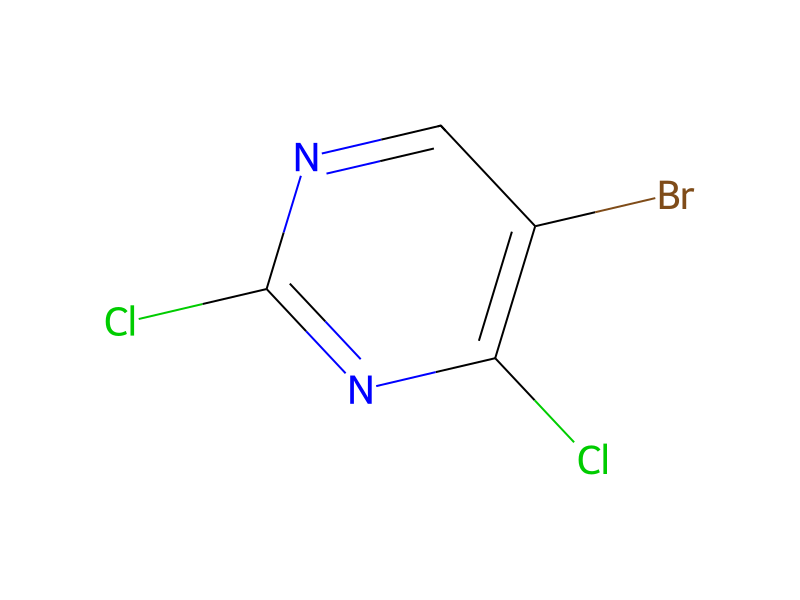
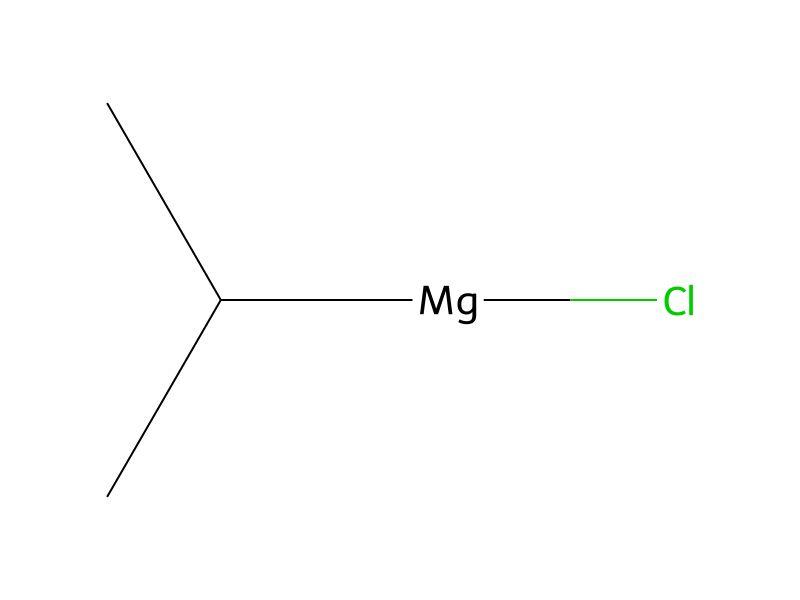
Br[C:2]1[C:3]([Cl:9])=[N:4][C:5]([Cl:8])=[N:6][CH:7]=1.C([Mg]Cl)(C)C.[Br:15][C:16]1[CH:17]=[C:18]([CH:21]=[CH:22][CH:23]=1)[CH:19]=[O:20]>C1COCC1>[Br:15][C:16]1[CH:17]=[C:18]([CH:19]([C:2]2[C:3]([Cl:9])=[N:4][C:5]([Cl:8])=[N:6][CH:7]=2)[OH:20])[CH:21]=[CH:22][CH:23]=1Participants


Procedure
To the solution of 5-bromo-2,4-dichloropyrimidine (22.8 g, 0.10 mol) in dry THF (150 mL), i-PrMgCl (50 mL, 0.10 mol, 2M in THF) was added dropwise at −35° C. under N2 atmosphere. After addition, the mixture was stirred for another one hour. Then 3-bromobenzaldehyde (18.5 g, 0.10 mol) was added in one portion. The resulting mixture was stirred for another two hours at −35° C. The reaction was quenched by water (10 mL), and filtered. The filtrate was extracted with ethyl acetate (3×300 mL). The combined organic phase was washed with water (300 mL), brine (200 mL) and dried over Na2SO4. The drying agent was removed by filtration and the residue was evaporated to give (3-bromo-phenyl)-(2,4-dichloro-pyrimidin-5-yl)-methanol as yellow oil. (Yield 33 g, 98.8%).
Workup
- additionAfter addition
- stirringThe resulting mixture was stirred for another two hours at −35° C
- customThe reaction was quenched by water (10 mL)
- filtrationfiltered
- extractionThe filtrate was extracted with ethyl acetate (3×300 mL)
- washThe combined organic phase was washed with water (300 mL), brine (200 mL)
- dry with materialdried over Na2SO4
- customThe drying agent was removed by filtration
- customthe residue was evaporated
Sources & evidence
- ORD record
- ord-46053ffa0a14495b8d4cc603a7fdbdf3
- Source dataset
- uspto-grants-2013_01
- Patent number
- US08362023B2
Reaction notes
Loading…