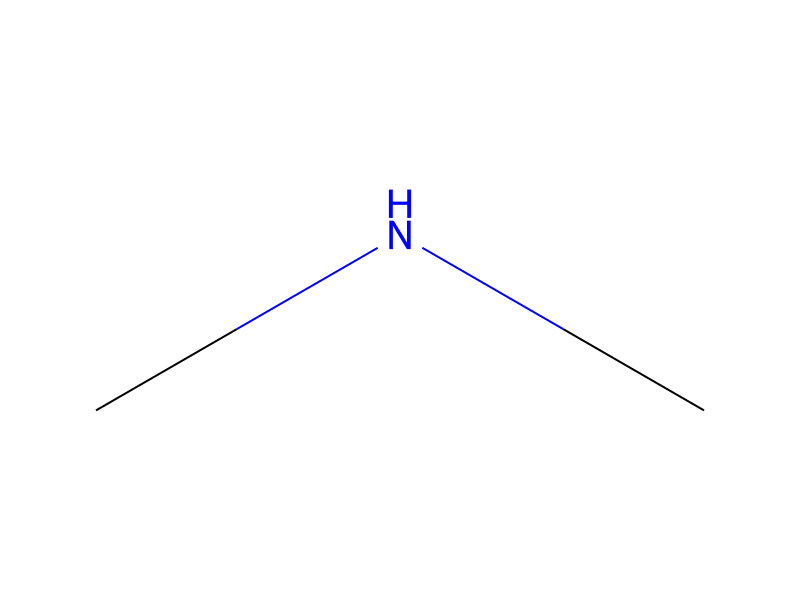
Dimethylamine → 6-[(4-fluorophenyl)methyl]-4-hydroxy-3,5-dioxo-7,8-dihydro-2H-2,6-naphthyridine-1-carboxylic acid
Reaction equation

[F:1][C:2]1[CH:25]=[CH:24][C:5]([CH2:6][N:7]2[CH2:16][CH2:15][C:14]3[C:9](=[C:10]([OH:22])[C:11](=[O:21])[NH:12][C:13]=3[C:17]([O:19]C)=[O:18])[C:8]2=[O:23])=[CH:4][CH:3]=1.CNC>CO>[F:1][C:2]1[CH:3]=[CH:4][C:5]([CH2:6][N:7]2[CH2:16][CH2:15][C:14]3[C:9](=[C:10]([OH:22])[C:11](=[O:21])[NH:12][C:13]=3[C:17]([OH:19])=[O:18])[C:8]2=[O:23])=[CH:24][CH:25]=1Participants
4
Reactant 2

Product 1

Reagents, catalysts & solvents 1

Conditions
- Temperature
- 130 °C
Procedure
To methyl 6-(4-fluorobenzyl)-4-hydroxy-3,5-dioxo-5,6,7,8-tetrahydro-2,6-naphthyridine-1-carboxylate (0.178 g, 0.514 mmol) in wet methanol was added N,N-dimethylamine in MeOH (4.0 eq.). The reaction mixture was put in a microwave reactor where it was heated at 130° C. for 1.5 hours, after which the reaction mixture was concentrated under vacuum. The residue was purified by reverse phase HPLC eluting with 5%-95% acetonitrile (0.1% TFA) in H2O (0.1% TFA) to afford the title compound as a solid. Alternatively, the starting material can be treated with LiOH in 1:1:1 THF/MeOH/H2O to give the product.
Workup
- customThe reaction mixture was put in a microwave reactor
- concentrationafter which the reaction mixture was concentrated under vacuum
- customThe residue was purified by reverse phase HPLC
- washeluting with 5%-95% acetonitrile (0.1% TFA) in H2O (0.1% TFA)
Sources & evidence
- ORD record
- ord-3ff637bcf357407ba23fc7ba560fe7b0
- Source dataset
- uspto-grants-2009_10
- Patent number
- US07598264B2
Reaction notes
Loading…