Hydrochloric Acid → 2,6-Dihydro-2-methyl-4-(2-methylpropyl)-6-(1-naphthalenylmethyl)-1H-pyrrolo[3,4-d]pyridazin-1-one
Reaction equation

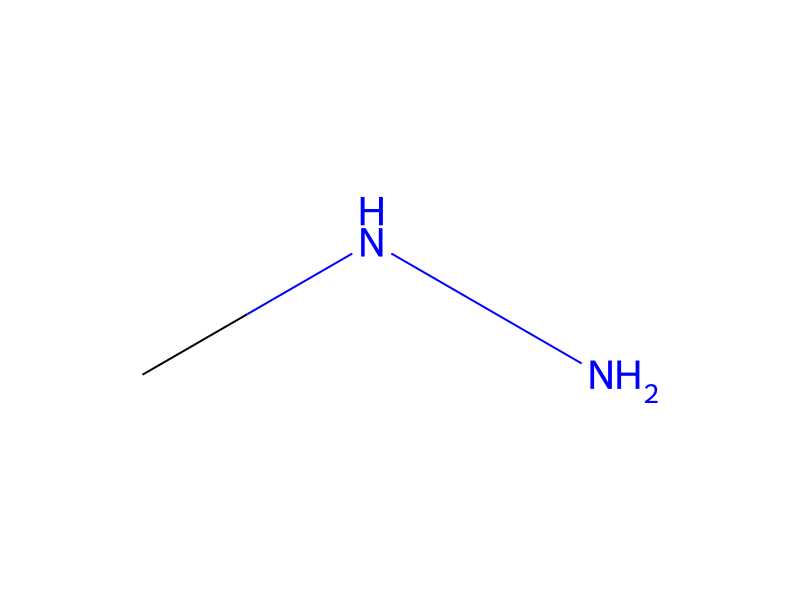
[CH3:1][CH:2]([CH3:26])[CH2:3][C:4]([C:6]1[C:7]([C:22](OC)=[O:23])=[CH:8][N:9]([CH2:11][C:12]2[C:21]3[C:16](=[CH:17][CH:18]=[CH:19][CH:20]=3)[CH:15]=[CH:14][CH:13]=2)[CH:10]=1)=O.[CH3:27][NH:28][NH2:29].Cl>C(O)C>[CH3:27][N:28]1[C:22](=[O:23])[C:7]2=[CH:8][N:9]([CH2:11][C:12]3[C:21]4[C:16](=[CH:17][CH:18]=[CH:19][CH:20]=4)[CH:15]=[CH:14][CH:13]=3)[CH:10]=[C:6]2[C:4]([CH2:3][CH:2]([CH3:26])[CH3:1])=[N:29]1Participants
5
Reactant 3


Product 1

Reagents, catalysts & solvents 1

Procedure
Methyl 4-(3-methyl-1-oxobutyl)-1-(1-naphthalenylmethyl)-1H-pyrrole-3-carboxylate (0.35 g) prepared as described in c) above and methylhydrazine (0.10 ml) in ethanol (15 ml) were heated to reflux for 16 hours. The mixture was poured into dilute hydrochloric acid and extracted with ethyl acetate, which was washed with brine, dried, and evaporated to a gum. The gum was chromatographed with ethyl acetate-isohexane (1:1) to afford a solid which was recrystallised from cyclohexane to give 2,6-dihydro-2-methyl-4-(2-methylpropyl)-6-(1-naphthalenylmethyl)-1H-pyrrolo[3,4-d]pyridazin-1-one (0.16 g).
Workup
- temperaturewere heated
- temperatureto reflux for 16 hours
- extractionextracted with ethyl acetate, which
- washwas washed with brine
- customdried
- customevaporated to a gum
- customThe gum was chromatographed with ethyl acetate-isohexane (1:1)
- customto afford a solid which
- customwas recrystallised from cyclohexane
Sources & evidence
- ORD record
- ord-3b09df42d0d442f397d3946cefbd31d5
- Source dataset
- uspto-grants-2004_08
- Patent number
- US06770646B2
Reaction notes
Loading…