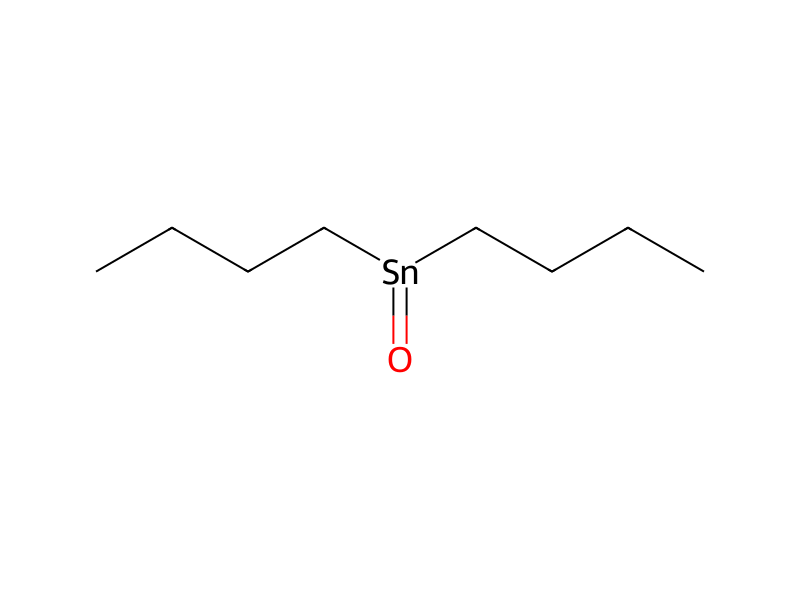
Dibutyltin oxide → HCID 57901715, compound
Reaction equation

[C:1]([CH2:3][CH2:4][C:5]1[S:9][C:8]([C:10]2[NH:11][C:12]3[C:17]([CH:18]=2)=[CH:16][CH:15]=[CH:14][C:13]=3[N:19]([CH3:28])[S:20]([C:23]2[S:24][CH:25]=[CH:26][CH:27]=2)(=[O:22])=[O:21])=[N:7][CH:6]=1)#[N:2].C([Sn](=O)CCCC)CCC.C[Si]([N:43]=[N+:44]=[N-:45])(C)C>O1CCCC1>[CH3:28][N:19]([C:13]1[CH:14]=[CH:15][CH:16]=[C:17]2[C:12]=1[NH:11][C:10]([C:8]1[S:9][C:5]([CH2:4][CH2:3][C:1]3[N:43]=[N:44][NH:45][N:2]=3)=[CH:6][N:7]=1)=[CH:18]2)[S:20]([C:23]1[S:24][CH:25]=[CH:26][CH:27]=1)(=[O:22])=[O:21]Participants
5



Procedure
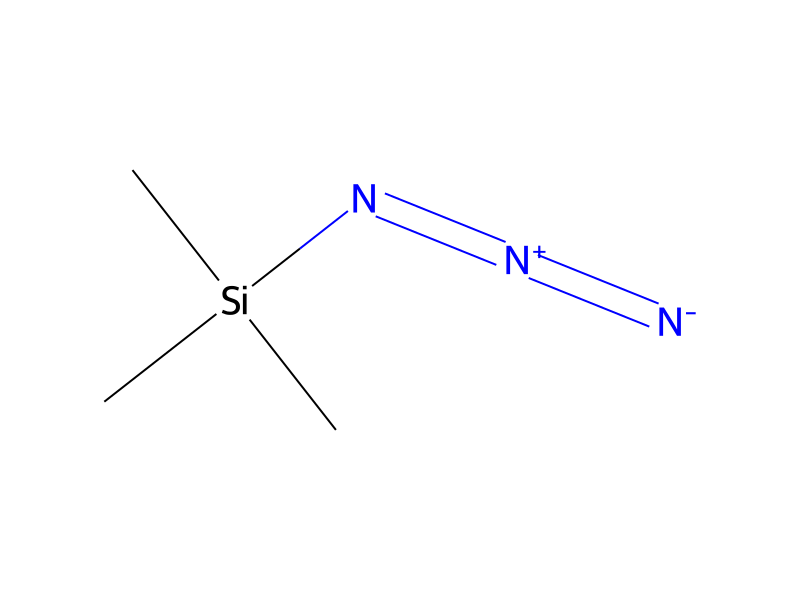
A mixture of N-{2-[5-(2-cyanoethyl)-1,3-thiazol-2-yl]-1H-indol-7-yl}-N-methylthiophene-2-sulfonamide (0.30 g), dibutyltin oxide (35 mg), trimethylsilylazide (0.74 mL) and tetrahydrofuran (10 mL) was heated under reflux for 3 days. The reaction mixture was concentrated. The residue was subjected to silica gel column chromatography, and the title compound (0.22 g, yield 67%) was obtained as yellow crystals from a fraction eluted with tetrahydrofuran-methanol (9:1, volume ratio). The crystals were recrystallized from ethyl acetate. melting point 211-212° C.
Workup
- temperaturewas heated
- temperatureunder reflux for 3 days
- concentrationThe reaction mixture was concentrated
Sources & evidence
- ORD record
- ord-1c072d24e2194d8889f9c2aec2f11952
- Source dataset
- uspto-grants-2015_02
- Patent number
- US08957070B2
Reaction notes
Loading…