Potassium Cyanide → 6-Amino-2-cyanobenzothiazole
Reaction equation

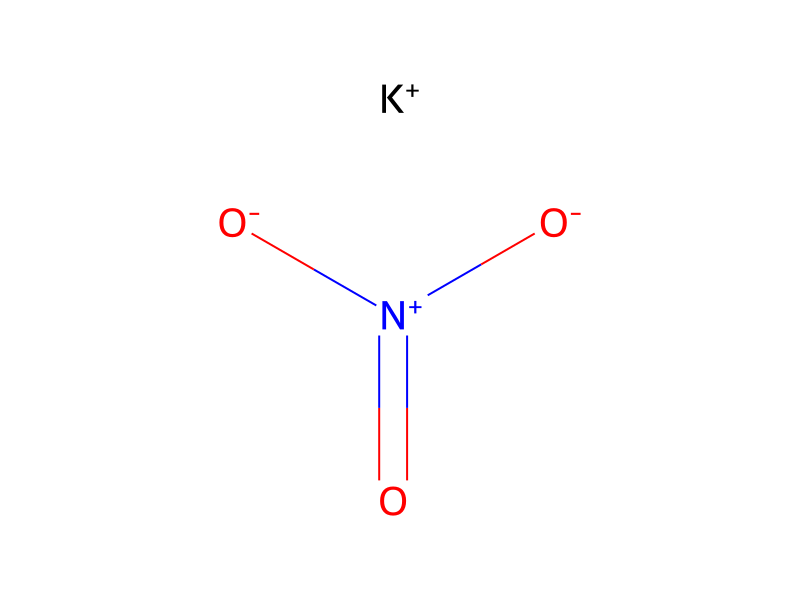
[N+]([O-])([O-])=O.[K+].Cl[C:7]1SC2C=CC=CC=2[N:11]=1.Cl[C:17]1[S:18][C:19]2[CH:25]=[C:24]([N+:26]([O-])=O)[CH:23]=[CH:22][C:20]=2[N:21]=1.[Sn].ClC1SC2C=C(N)C=CC=2N=1.[C-]#N.[K+]>S(=O)(=O)(O)O.Cl.CS(C)=O>[C:7]([C:17]1[S:18][C:19]2[CH:25]=[C:24]([NH2:26])[CH:23]=[CH:22][C:20]=2[N:21]=1)#[N:11]Participants
Reactant 6




Product 1

Reagents, catalysts & solvents 3



Procedure
By adding potassium nitrate under ice cooling in concentrated sulfuric acid to commercially available 2-chlorobenzothiazole and nitrating, and then reacting the generated 2-chloro-6-nitrobenzothiazole with tin in hydrochloric acid, the nitro group is reduced to an amino group, thus deriving 2-chloro-6-aminobenzothiazole. Adding potassium cyanide thereto in an argon atmosphere in DMSO solvent and heating to reflux overnight yields 2-cyano-6-aminobenzothiazole. Allyl bromide and potassium carbonate are reacted in DMF solvent to allylate the amino group, and by aza-Claisen rearrangement, an allyl group is introduced into the 7-position. Potassium carbonate in methanol and cysteine are added and stirred, and by neutralizing with hydrochloric acid, a 7-allyl-aminoluciferin-type compound can be obtained.
Workup
- temperatureto reflux overnight
Sources & evidence
- ORD record
- ord-f1eb100e8ab8470292b4ca9f5cd8b226
- Source dataset
- uspto-grants-2015_02
- Patent number
- US08962854B2
Reaction notes
Loading…