4-Methyloxybenzyl chloride → Ethyl 2-methyl-3-(4-methylphenyl)-2-pyridin-3-ylpropanoate
Reaction equation

[N:1]1[CH:6]=[CH:5][CH:4]=[C:3]([CH:7]([CH3:13])[C:8]([O:10][CH2:11][CH3:12])=[O:9])[CH:2]=1.[CH3:14][Si]([N-][Si](C)(C)C)(C)C.[Li+].CO[C:26]1[CH:33]=[CH:32][C:29]([CH2:30]Cl)=[CH:28][CH:27]=1>C1COCC1>[CH3:13][C:7]([C:3]1[CH:2]=[N:1][CH:6]=[CH:5][CH:4]=1)([CH2:14][C:26]1[CH:33]=[CH:32][C:29]([CH3:30])=[CH:28][CH:27]=1)[C:8]([O:10][CH2:11][CH3:12])=[O:9]Participants
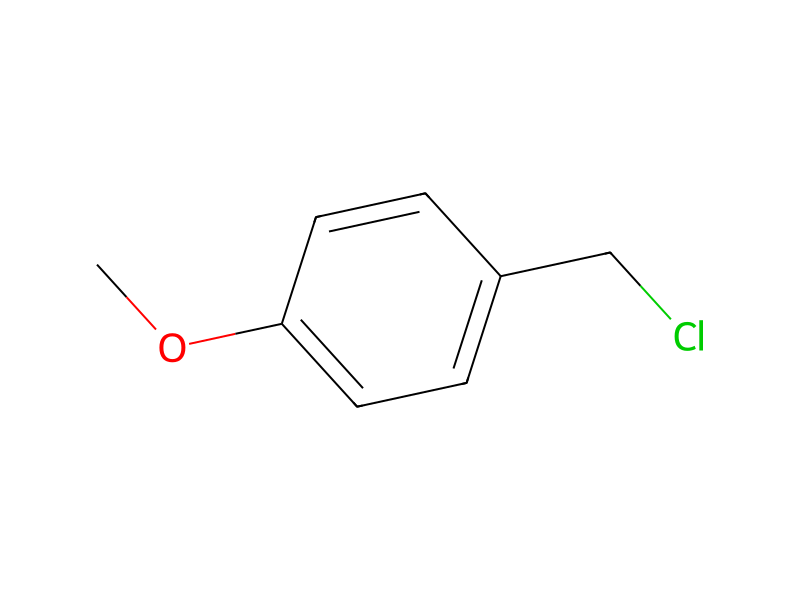




Conditions
- Temperature
- -70 °C
Procedure
A solution of the product of STEP 1 (7.5 g, 42.1 mmol) was dissolved in 50 ml THF and a solution of lithium bis(trimethylsilyl)amide (45 ml, 45 mmol, 1.0 M in THF) was added dropwise at −70° C. The reaction was stirred at −70° C. for 1 h and a solution of 4-methoxybenzyl chloride (7.8 g, 50 mmol) in 25 ml THF was added. The reaction was allowed to warm to room temperature and quenched with 5%Na2SO3 solution (200 ml). The product was extracted with ethyl acetate (3×100 ml). The organic layer was washed with H2O, brine, dried with MgSO4, and concentrated. The residue was purified by chromatography (on silica gel, ethyl acetate/hexane=1/1) to give a brown liquid in 11.7 g. NMR spectra of the product were consistent for the proposed structure.
Workup
- temperatureto warm to room temperature
- customquenched with 5%Na2SO3 solution (200 ml)
- extractionThe product was extracted with ethyl acetate (3×100 ml)
- washThe organic layer was washed with H2O, brine
- dry with materialdried with MgSO4
- concentrationconcentrated
- customThe residue was purified by chromatography (on silica gel, ethyl acetate/hexane=1/1)
- customto give a brown liquid in 11.7 g
Sources & evidence
- ORD record
- ord-c3830d08ce7d4b9ea83abf508fda102f
- Source dataset
- uspto-grants-2003_03
- Patent number
- US06531494B1
Reaction notes
Loading…