Propionic Acid → 4,6,6-Trimethyl-1,3-cyclohexadiene-1-carboxaldehyde
Reaction equation

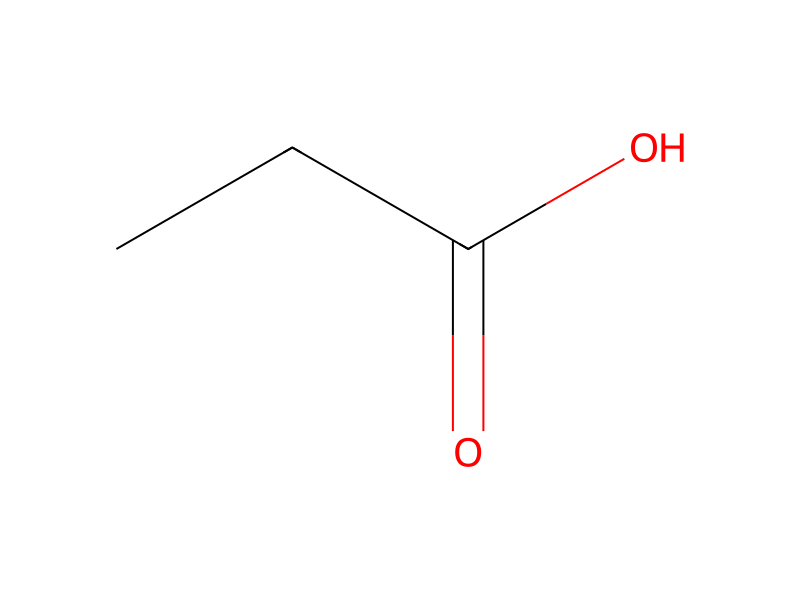
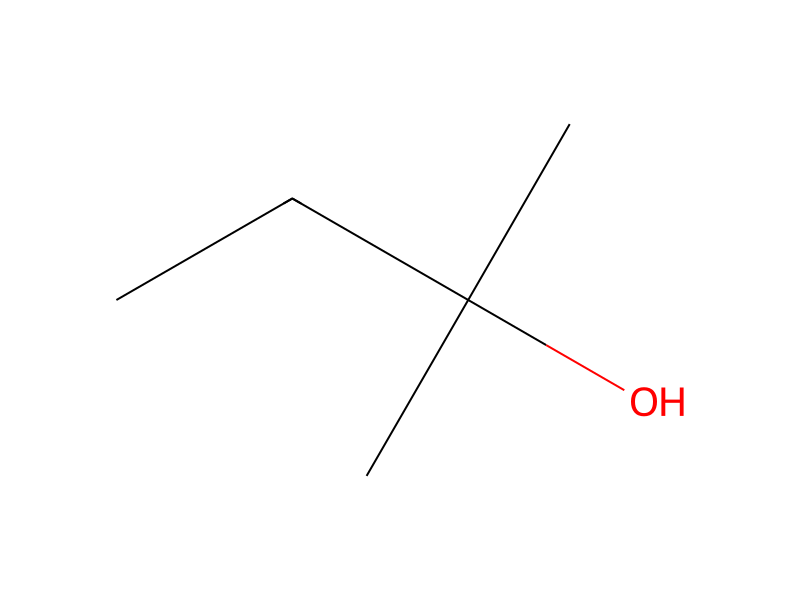
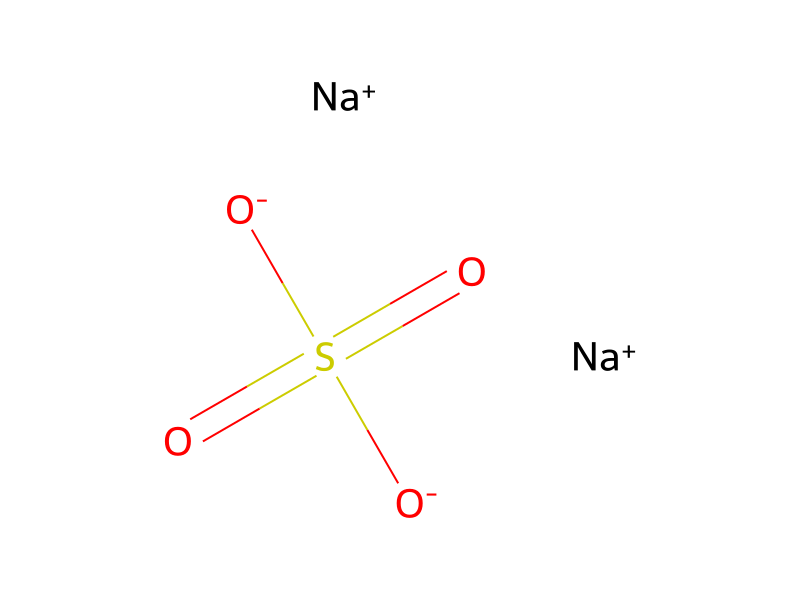
[CH3:1][C:2]([CH3:6])=[CH:3][CH:4]=[O:5].[C:7](O)([CH2:10][CH3:11])([CH3:9])[CH3:8].[C:13](O)(=[O:16])CC.S([O-])([O-])(=O)=O.[Na+].[Na+].[C:25](N)([CH2:28][C:29]([CH3:32])([CH3:31])[CH3:30])([CH3:27])[CH3:26].[C:34](=O)([O-])[O-].[K+].[K+]>CCCCCC.CCCCCCC>[CH3:1]/[C:2](/[CH:6]=[CH:11]/[CH:10]=[C:7]([CH3:9])[CH3:8])=[CH:3]\[CH:4]=[O:5].[CH3:26][C:25]1[CH2:28][C:29]([CH3:32])([CH3:31])[C:30]([CH:13]=[O:16])=[CH:34][CH:27]=1Participants
Reactant 6



Product 2


Reagents, catalysts & solvents 2


Procedure
174 mg (2.07 mmol) of 3-methyl-2-butenal, 1.00 mL of heptane, 1.00 mL of tert-amyl alcohol, 0.20 mL (2.7 mmol) of propionic acid (99+%), 58 mg of anhydrous sodium sulfate (granular), and 17 mg of tert-octylamine were added to a stoppered 25 mL, 1-neck reaction flask containing a TEFLON®-coated spin bar. The reaction mixture was stirred at room temperature for 4 days, then diluted with 10 mL of hexane. 600 mg of anhydrous potassium carbonate was added, and the mixture subsequently was stirred at room temperature for 45 minutes to neutralize propionic acid. The product then was isolated in the manner described in Example 2 to afford 69 mg of dehydrolavandulal (1), dehydrocitral (2), and 4,6,6-trimethyl-1,3-cyclohexadiene-1-carboxaldehyde (3) in a ratio of 83:10:7, respectively. Approximately 30% of this product mixture was the N-tert-octyl imine derivative of 3-methyl-2-butenal, which can be removed from the polyenals according to the hydrolysis procedure described in Example 4.
Workup
- additioncontaining a TEFLON®-coated spin bar
- stirringthe mixture subsequently was stirred at room temperature for 45 minutes
- customThe product then was isolated in the manner
Sources & evidence
- ORD record
- ord-d811ba1aeb494810914927b3d80c73fd
- Source dataset
- uspto-grants-2009_12
- Patent number
- US07632973B2
Reaction notes
Loading…