Hydrochloric Acid → HCID 58280475, compound
Reaction equation

C[O:2][C:3]([CH:5]1[CH2:9][CH2:8][S:7](=[O:11])(=[O:10])[N:6]1[CH2:12][C:13]1[CH:18]=[CH:17][CH:16]=[C:15]([C:19]#[N:20])[CH:14]=1)=[O:4].O.[OH-].[Li+].Cl>O1CCCC1.O>[C:19]([C:15]1[CH:14]=[C:13]([CH:18]=[CH:17][CH:16]=1)[CH2:12][N:6]1[CH:5]([C:3]([OH:4])=[O:2])[CH2:9][CH2:8][S:7]1(=[O:10])=[O:11])#[N:20]Participants




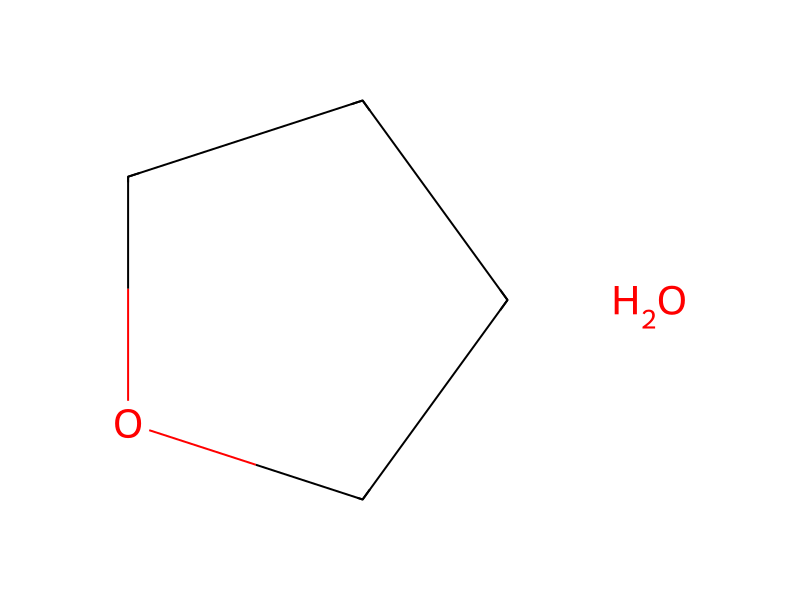
Conditions
- Temperature
- 0 °C
Procedure
To a stirred solution of 2-(3-cyano-benzyl)-1,1-dioxo-1λ6-isothiazolidine-3-carboxylic acid methyl ester (6.0 g, 20.4 mmol) in a tetrahydrofuran-water mixture (4:1, 50 mL), lithium hydroxide monohydrate (2.5 g, 59.6 mmol) was added at room temperature and stirred at this temperature for 4 h. Then tetrahydrofuran was removed from the reaction mixture under reduced pressure. The residual reaction mixture was cooled to 0° C. and 1N hydrochloric acid was added to make the pH˜2. The acidified reaction mixture was extracted with ethyl acetate (3×150 mL). The combined organic layers were washed with water (2×50 mL) followed by brine (50 mL) and then dried over sodium sulfate and concentrated under reduced pressure to provide 2-(3-cyano-benzyl)-1,1-dioxo-1λ6-isothiazolidine-3-carboxylic acid (5.2 g, 91%).
Workup
- customThen tetrahydrofuran was removed from the reaction mixture under reduced pressure
- customThe residual reaction mixture
- customThe acidified reaction mixture
- extractionwas extracted with ethyl acetate (3×150 mL)
- washThe combined organic layers were washed with water (2×50 mL)
- dry with materialdried over sodium sulfate
- concentrationconcentrated under reduced pressure
Sources & evidence
- ORD record
- ord-baf0ffd7f56c4a248097e591e7bfd8c7
- Source dataset
- uspto-grants-2012_11
- Patent number
- US08314250B2
Reaction notes
Loading…