Sodium Hydroxide → 2-Bromo-4-tert-butylpyridine
Reaction equation

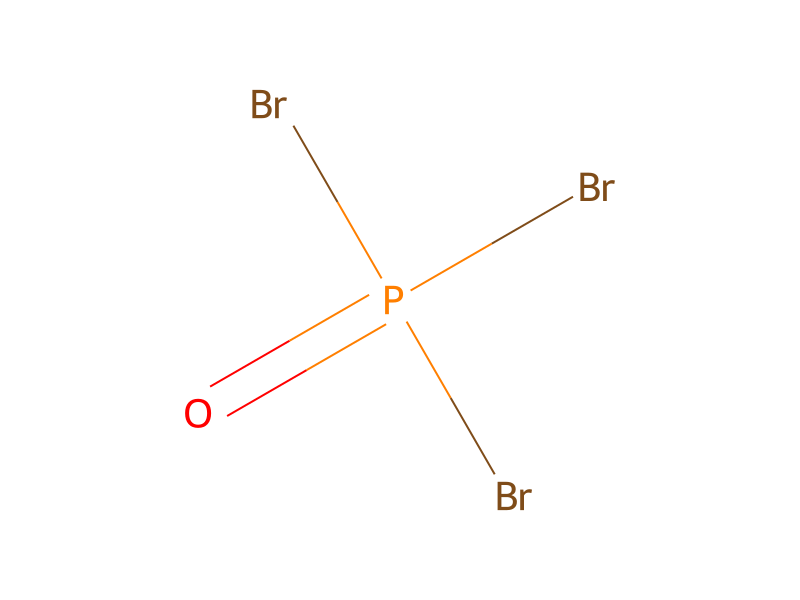
[C:1]([C:5]1[CH:10]=[CH:9][N+:8]([O-])=[CH:7][CH:6]=1)([CH3:4])([CH3:3])[CH3:2].[OH-].[Na+].P(Br)(Br)([Br:16])=O>ClCCCl>[Br:16][C:9]1[CH:10]=[C:5]([C:1]([CH3:4])([CH3:3])[CH3:2])[CH:6]=[CH:7][N:8]=1Participants
Reactant 3


Product 1

Reagents, catalysts & solvents 1

Conditions
- Temperature
- 70 °C
Procedure
In a round-bottomed flask, phosphorous oxybromide (5.0 g, 17.4 mmol and 4-tert-butylpyridine N-oxide (0.85 g, 5.34 mmol) were dissolved in 1,2-dichloroethane (35 mL). The reaction mixture was stirred at 70° C. overnight then cooled to room temperature and slowly poured onto ice. Sodium hydroxide (50% solution in water) was added slowly until pH˜10. The mixture was then extracted three times with ˜100 mL dichloromethane. The organic layers were combined, dried over sodium sulfate, filtered and concentrated. The residue was absorbed on 4 g SiO2 and chromatographed over 24 g SiO2 with EtOAc/Hexanes (gradient: 0-10% EtOAc). All fractions containing product were combined and concentrated to give 157 mg (14%) of 2-bromo-4-tert-butyl pyridine as a colorless oil.
Workup
- temperaturethen cooled to room temperature
- additionslowly poured onto ice
- extractionThe mixture was then extracted three times with ˜100 mL dichloromethane
- dry with materialdried over sodium sulfate
- filtrationfiltered
- concentrationconcentrated
- customThe residue was absorbed on 4 g SiO2
- customchromatographed over 24 g SiO2 with EtOAc/Hexanes (gradient: 0-10% EtOAc)
- additionAll fractions containing product
- concentrationconcentrated
Sources & evidence
- ORD record
- ord-3fa3831b38fe41459dc6491a9d3fb3f4
- Source dataset
- uspto-grants-2013_08
- Patent number
- US08518945B2
Reaction notes
Loading…