Hydrochloric Acid → 3-Amino-1-(2-chloro-phenyl)-propan-1-ol hydrochloride
Reaction equation

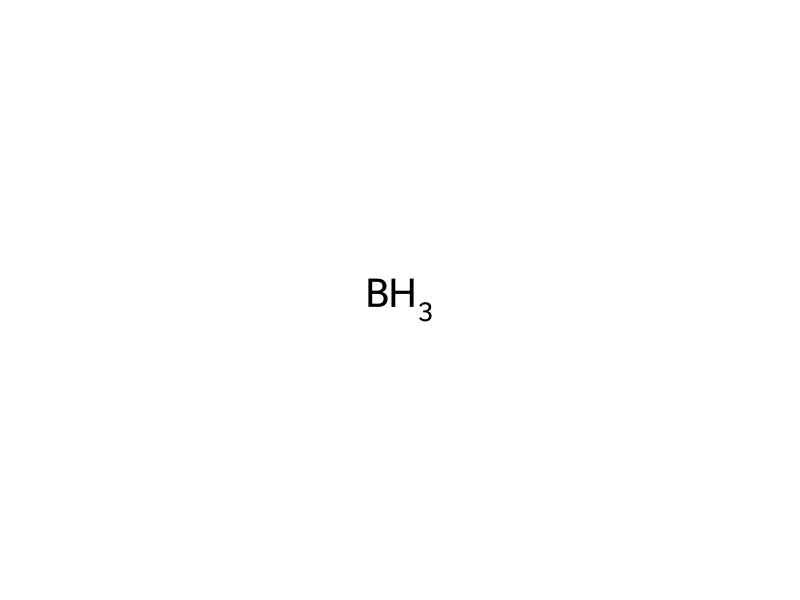
[Cl:1][C:2]1[CH:7]=[CH:6][CH:5]=[CH:4][C:3]=1[CH:8]([OH:12])[CH2:9][C:10]#[N:11].B.O1CCCC1.B.Cl>CO>[ClH:1].[NH2:11][CH2:10][CH2:9][CH:8]([C:3]1[CH:4]=[CH:5][CH:6]=[CH:7][C:2]=1[Cl:1])[OH:12]Participants




Conditions
- Temperature
- 75 °C
Procedure
3-(2-Chloro-phenyl)-3-hydroxy-propionitrile (740 mg, 4.07 mmol) was slowly treated with a solution of borane-tetrahydrofuran complex (9 mL, 8.96 mmol, 1M in tetrahydrofuran) at 0° C. After bubbling ceased, the reaction mixture was heated to 75° C. for 2 hours and 1.1 eq of additional borane was added to drive the reaction to completion. The reaction mixture was concentrated. The white solid obtained was treated with methanol (14 mL), followed by hydrogen chloride (2M in diethyl ether, 14 mL). The resulting mixture was heated to reflux for 2 hours, allowed to cool to ambient temperature and then concentrated at reduced pressure. To the residue was added aqueous hydrochloric acid (10 mL, 1 N) followed by diethyl ether (20 mL). The aqueous layers were separated and concentrated at reduced pressure and dried to give the product as a white solid (796 mg, 88%).
Workup
- customAfter bubbling
- customthe reaction to completion
- concentrationThe reaction mixture was concentrated
- customThe white solid obtained
- temperatureThe resulting mixture was heated
- temperatureto reflux for 2 hours
- temperatureto cool to ambient temperature
- concentrationconcentrated at reduced pressure
- additionTo the residue was added aqueous hydrochloric acid (10 mL, 1 N)
- customThe aqueous layers were separated
- concentrationconcentrated at reduced pressure
- customdried
Sources & evidence
- ORD record
- ord-8f57ebd270e84c4d953e39518ff6d135
- Source dataset
- uspto-grants-2013_12
- Patent number
- US08609849B1
Reaction notes
Loading…