Potassium Carbonate → Methyl 2-(3,4-difluorophenyl)isonicotinate
Reaction equation

Cl[C:2]1[CH:3]=[C:4]([CH:9]=[CH:10][N:11]=1)[C:5]([O:7][CH3:8])=[O:6].[F:12][C:13]1[CH:14]=[C:15](B(O)O)[CH:16]=[CH:17][C:18]=1[F:19].C(=O)([O-])[O-].[K+].[K+]>CO.Cl[Pd]Cl>[F:12][C:13]1[CH:14]=[C:15]([C:2]2[CH:3]=[C:4]([CH:9]=[CH:10][N:11]=2)[C:5]([O:7][CH3:8])=[O:6])[CH:16]=[CH:17][C:18]=1[F:19]Participants


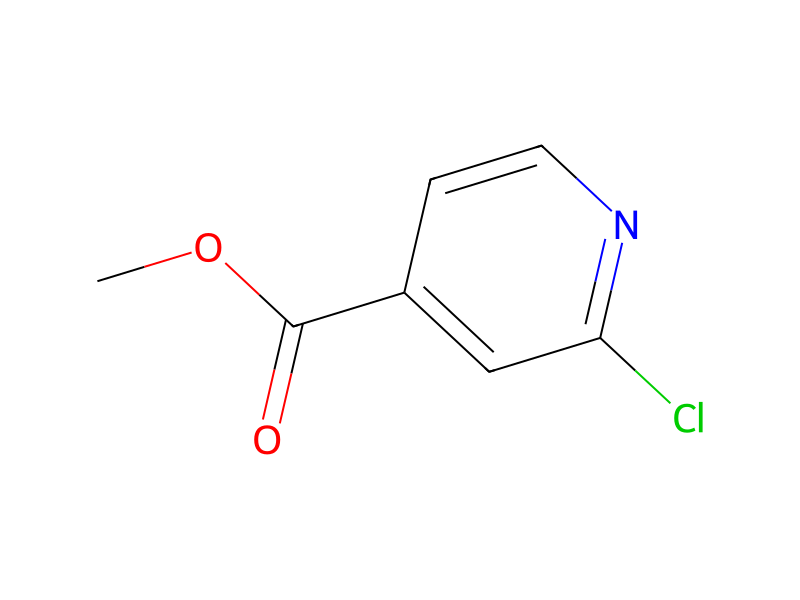

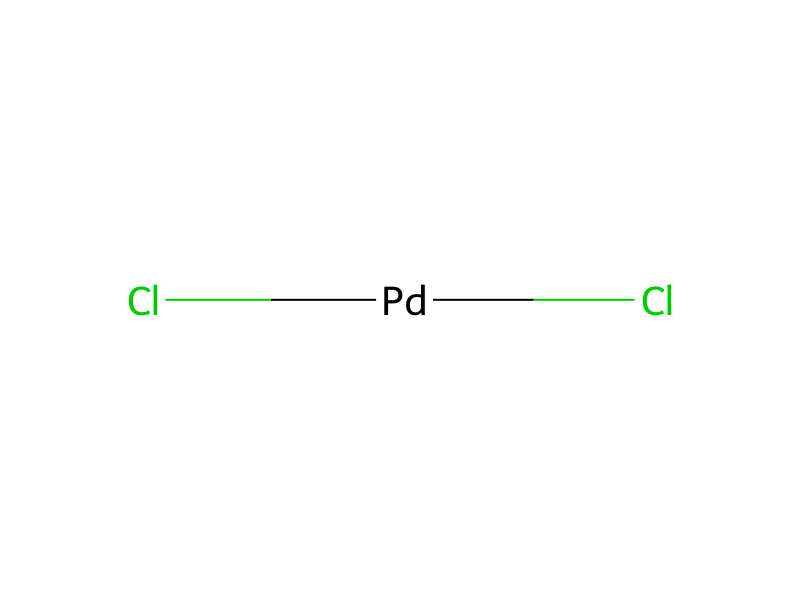

Conditions
- Temperature
- 100 °C
Procedure
A mixture of methyl 2-chloroisonicotinate (5 g, 29.14 mmol), 3,4-difluorophenylboronic acid (5.06 g, 32.05 mmol), potassium carbonate (2.416 g, 17.48 mmol) and PdCl2 (dppf) (1.066 g, 1.46 mmol) was stirred in methanol (30 mL) and heated in a single-node microwave reactor at 100° C. for 30 min. The solvent was evaporated in vacuo. DCM (400 mL) and 8% NaHCO3 (aq) (400 mL) were added, shaken and the phases separated. The aqueous phase was extracted with DCM (400 mL). The combined organic phases were dried with a phase separator and evaporated in vacuo. The residue was purified by automated flash chromatography on three Biotage® KP-SIL 100 g columns. A gradient from 5% EtOAc in heptane over 2 CV followed by 5% to 20% of EtOAc in heptane over 9 CV was used as mobile phase. Methyl 2-(3,4-difluorophenyl)isonicotinate (5.82 g, 80%) was isolated as a white solid. 1H NMR (400 MHz, cdcl3) δ 4.00 (s, 3H), 7.23-7.33 (m, 1H), 7.76-7.84 (m, 2H), 7.90-8.00 (m, 1H), 8.21-8.27 (m, 1H), 8.82 (dd, 1H).
Workup
- customThe solvent was evaporated in vacuo
- additionDCM (400 mL) and 8% NaHCO3 (aq) (400 mL) were added
- customthe phases separated
- extractionThe aqueous phase was extracted with DCM (400 mL)
- customThe combined organic phases were dried with a phase separator
- customevaporated in vacuo
- customThe residue was purified by automated flash chromatography on three Biotage® KP-SIL 100 g columns
Sources & evidence
- ORD record
- ord-1c89d08cbabb45d2b71b5d8e37590ed9
- Source dataset
- uspto-grants-2013_04
- Patent number
- US08415378B2
Reaction notes
Loading…