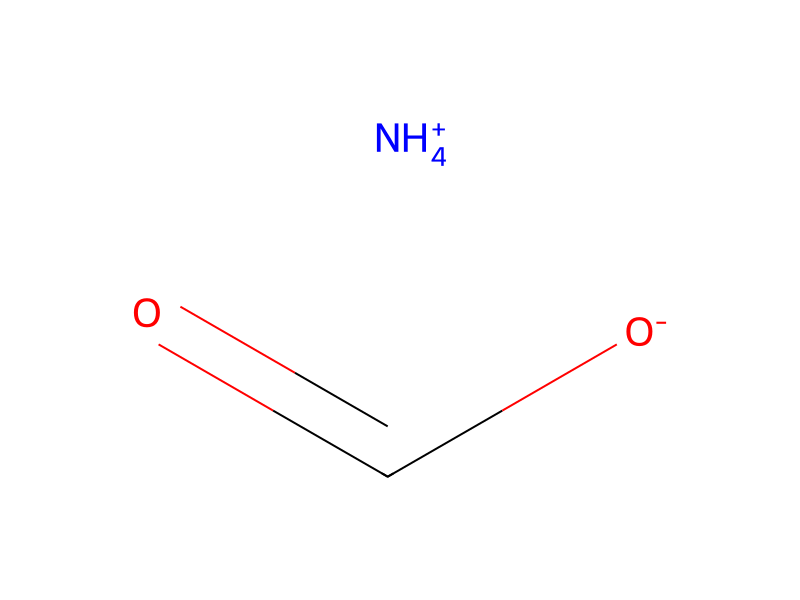
Ammonium formate → 5-(2-Amino-pyrimidin-4-yl)-1H-pyrrole-3-carboxylic acid ethyl ester
Reaction equation

Cl.[CH2:2]([O:4][C:5]([C:7]1[CH:11]=[C:10]([C:12]2[CH:17]=[CH:16][N:15]=[C:14]([NH2:18])[N:13]=2)[NH:9][C:8]=1Cl)=[O:6])[CH3:3].C([O-])=O.[NH4+]>CO.[Pd]>[CH2:2]([O:4][C:5]([C:7]1[CH:11]=[C:10]([C:12]2[CH:17]=[CH:16][N:15]=[C:14]([NH2:18])[N:13]=2)[NH:9][CH:8]=1)=[O:6])[CH3:3]Participants
Reactant 2

Product 1

Reagents, catalysts & solvents 2


Procedure
To a suspension of 5-(2-Amino-pyrimidin-4-yl)-2-chloro-1H-pyrrole-3-carboxylic acid ethyl ester hydrochloride (33 g, 0.108 mol) in dry methanol (500 mL), ammonium formate (33 g, 0.523 mol) and 10% Pd/C (3.5 g, 0.0028 mol) were added. The reaction was refluxed for 10 hours. The catalyst was filtered through a pad of Celite rinsing the Celite with dichloromethane (100 mL) and then with methanol (100 mL). The organic fraction was concentrated to small volume (50 mL) diluted with dichloromethane (150 mL) and washed with water (1×200 mL) and the acqueous fraction extracted with dichloromethane (1×200 mL). The organic fractions were combined, dried over sodium sulfate, filtered, and concentered to yield 12.5 g (50%) of the title compound as an light brown solid.
Workup
- additionwere added
- temperatureThe reaction was refluxed for 10 hours
- filtrationThe catalyst was filtered through a pad of Celite
- washrinsing the Celite with dichloromethane (100 mL)
- concentrationThe organic fraction was concentrated to small volume (50 mL)
- additiondiluted with dichloromethane (150 mL)
- washwashed with water (1×200 mL)
- extractionthe acqueous fraction extracted with dichloromethane (1×200 mL)
- dry with materialdried over sodium sulfate
- filtrationfiltered
Sources & evidence
- ORD record
- ord-ceb8ae441ceb411ab776c4fbe0990607
- Source dataset
- uspto-grants-2013_04
- Patent number
- US08426417B2
Reaction notes
Loading…