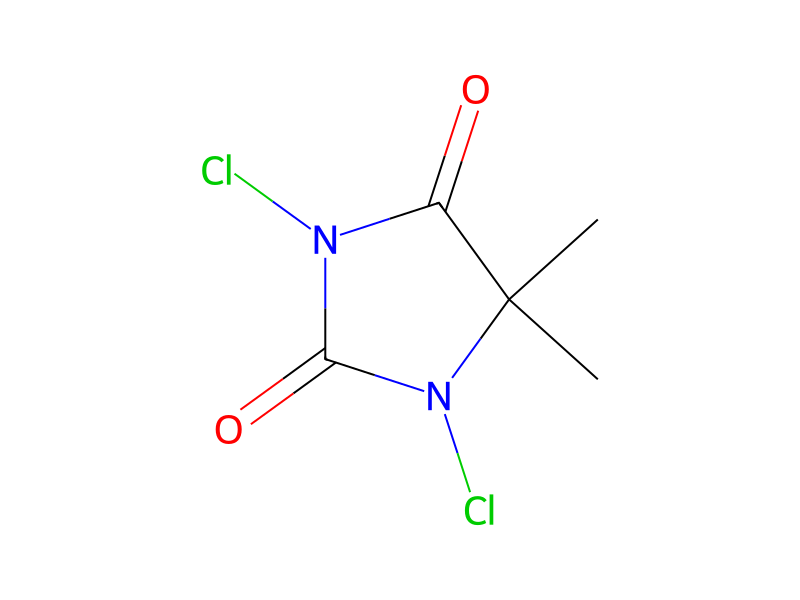
1,3-Dichloro-5,5-dimethylhydantoin → 1,1-Dimethylethyl N-[(1S)-2-hydroxy-1-[3-(trifluoromethyl)phenyl]ethyl]carbamate
Reaction equation

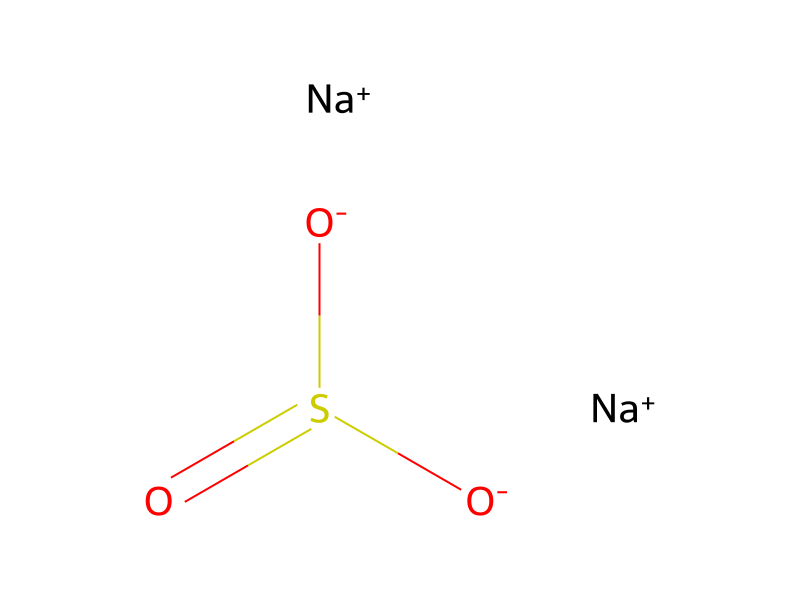
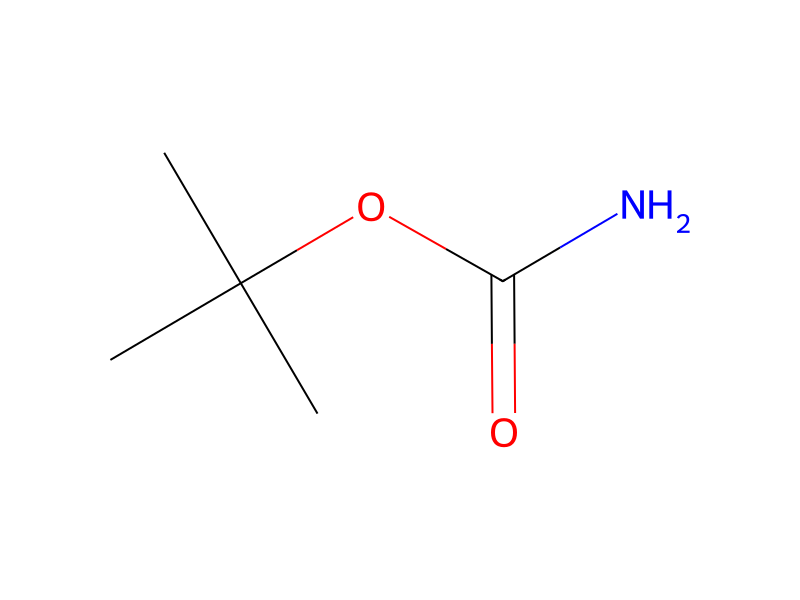
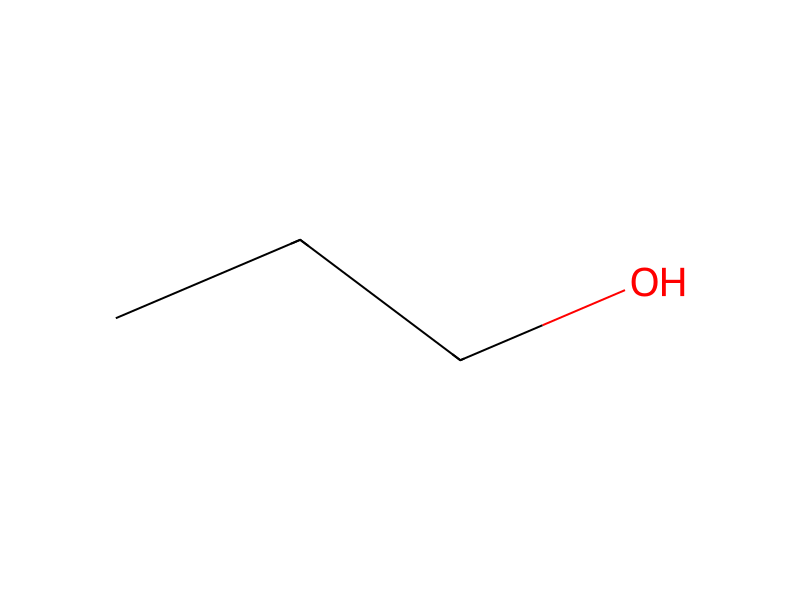
[C:1](=[O:8])([O:3][C:4]([CH3:7])([CH3:6])[CH3:5])[NH2:2].[OH-].[Na+].ClN1C(C)(C)C(=O)N(Cl)C1=[O:14].[F:22][C:23]([F:33])([F:32])[C:24]1[CH:25]=[C:26]([CH:29]=[CH:30][CH:31]=1)[CH:27]=[CH2:28].S([O-])([O-])=O.[Na+].[Na+]>C(O)CC.CC[C@H]1[C@H]2C[C@H]([C@H](OC3C4C(=CC=CC=4)C(O[C@H](C4C=CN=C5C=4C=C(OC)C=C5)[C@@H]4N5C[C@H](CC)[C@@H](CC5)C4)=NN=3)C3C=CN=C4C=3C=C(OC)C=C4)N(CC2)C1>[F:22][C:23]([F:32])([F:33])[C:24]1[CH:25]=[C:26]([C@H:27]([NH:2][C:1](=[O:8])[O:3][C:4]([CH3:7])([CH3:6])[CH3:5])[CH2:28][OH:14])[CH:29]=[CH:30][CH:31]=1Participants
Reactant 5


Product 1

Reagents, catalysts & solvents 2

Procedure
A 500 mL round-bottomed flask is charged with tert-butyl carbamate (5.42 g, 46.0 mmol) and n-PrOH (48 mL). To this stirred solution is added freshly prepared aqueous solution of NaOH (1.84 g, 46.0 mmol in 75 mL of H2O), followed by 1,3-dichloro-5,5-dimethylhydantoin (4.54 g, 23.0 mmol). After 5 min a solution of (DHQ)2PHAL (584 mg, 0.75 mmol, 5 mol %) in n-PrOH (42 mL) is added. 3-Trifluoromethylstyrene (2.58 g, 15.0 mmol, dissolved in 60 mL of n-PrOH) is then added, followed by K2OsO2(OH)4 (221 mg, 0.6 mmol, 4 mol %). The resulting solution is stirred at rt for 2 h. The reaction mixture is then cooled in an ice-bath, and the reaction is quenched by the addition of sodium sulfite (4.41 g, 35.0 mmol) and stirred for 1 h. Evaporation to remove most of n-PrOH, the aqueous solution is extracted with ethyl acetate (4×100 mL). The combined organic phases were washed with water (50 mL), brine (50 mL), dried over anhydrous Na2SO4, and concentrated and then purified on silica gel (eluent: 0-33% ethyl acetate in hexane) to give tert-butyl (S)-1-[3-(trifluoromethyl)phenyl]-2-hydroxyethylcarbamate (2.42 g, 53%) as a colorless oil. HPLC-MS calculated for C9H11F3NO (M-Boc+H+) 206.07, found 206.10.
Workup
- temperatureThe reaction mixture is then cooled in an ice-bath
- stirringstirred for 1 h
- customEvaporation
- customto remove most of n-PrOH
- extractionthe aqueous solution is extracted with ethyl acetate (4×100 mL)
- washThe combined organic phases were washed with water (50 mL), brine (50 mL)
- dry with materialdried over anhydrous Na2SO4
- concentrationconcentrated
- custompurified on silica gel (eluent: 0-33% ethyl acetate in hexane)
Sources & evidence
- ORD record
- ord-8dd885817e1744dbaf7656e249d0e8ef
- Source dataset
- uspto-grants-2013_04
- Patent number
- US08431607B2
Reaction notes
Loading…