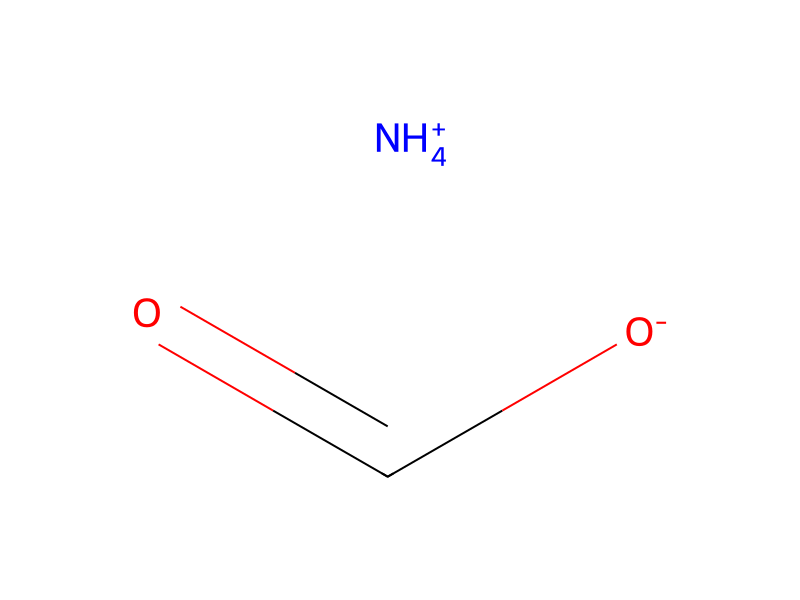
Ammonium formate → HCID 15639097, compound
Reaction equation

[CH2:1]([O:3][C:4]([CH:6]1[CH2:13][CH:12]2[N:14](CC3C=CC=CC=3)[CH:8]([CH2:9][CH2:10][CH2:11]2)[CH2:7]1)=[O:5])[CH3:2].C([O-])=O.[NH4+]>[Pd].C(O)C>[CH2:1]([O:3][C:4]([CH:6]1[CH2:7][CH:8]2[NH:14][CH:12]([CH2:11][CH2:10][CH2:9]2)[CH2:13]1)=[O:5])[CH3:2]Participants
5
Reactant 2

Product 1

Reagents, catalysts & solvents 2


Procedure
To a 125 mL round-bottomed flask equipped with a condenser and N2 inlet were added 8.14 g (28.36 mmol) ethyl-N-benzyl-9-azabicyclo[3.3.1]nonane-3-carboxylate, 60 mL ethanol, 8.93 g (141.8 mmol) ammonium formate, and 5 g 10% palladium-on-carbon. The reaction was refluxed and fresh catalyst and ammonium formate were added until the starting material disappeared (about 4 hr, a total of 8 g catalyst). The reaction was cooled, filtered through diatomaceous earth (Celite [trademark]), and evaporated. The residue was partitioned between methylene chloride and an aqueous sodium hydroxide solution, and the organic layer separated, dried over sodium sulfate, and evaporated. The resulting oil was used directly in the next step.
Workup
- customTo a 125 mL round-bottomed flask equipped with a condenser and N2 inlet
- temperatureThe reaction was refluxed
- customabout 4 hr
- temperatureThe reaction was cooled
- filtrationfiltered through diatomaceous earth (Celite [trademark])
- customevaporated
- customThe residue was partitioned between methylene chloride
- customan aqueous sodium hydroxide solution, and the organic layer separated
- dry with materialdried over sodium sulfate
- customevaporated
Sources & evidence
- ORD record
- ord-68a0f8e7a130458f945f13281e7fb573
- Source dataset
- uspto-grants-1995_06
- Patent number
- US05422354
Reaction notes
Loading…