Dextroamphetamine → Acetylamphetamine
Reaction equation

[CH3:1][C@H:2]([NH2:10])[CH2:3][C:4]1[CH:5]=[CH:6][CH:7]=[CH:8][CH:9]=1.C[C@@H:12](N)[C@@H:13]([OH:20])C1C=CC=CC=1>>[C:13]([NH:10][CH:2]([CH2:3][C:4]1[CH:9]=[CH:8][CH:7]=[CH:6][CH:5]=1)[CH3:1])(=[O:20])[CH3:12]Participants
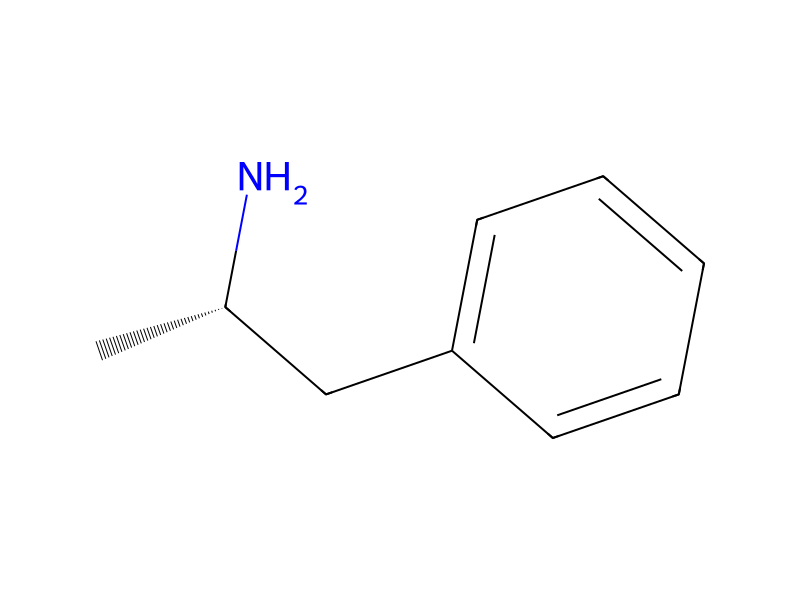


Procedure
The commercially available precursor to dextroamphetamine is 1R,2S-(−)-norephedrine. Attempts were made to O-acetylate the norephedrine free base, but produced mostly N-acetylamphetamine according to an analysis of the carbonyl region of the infrared spectra. In one experiment, norephedrine free base in acetic acid was treated with 0.5 equivalents of sulfuric acid and then treated with 1.1 equivalents of acetic anhydride with heating to 63° C. to obtain a clear solution. Catalytic reduction followed by basification gave an oil that was composed of 13.96% amphetamine and 68% norephedrine, an indication that the acetylation procedure on a sulfate salt was only partially successful. In another experiment, a 10 mol portion of norephedrine hydrochloride was acetylated with a 20% excess of acetic anhydride in 2 mL acetic acid/g of salt and progress of the reaction followed fours (Table 2). The reaction mixture was diluted with 130 mL water and subjected to catalytic hydrogenation for 22 hours to obtain 10.4 g of oil. The long reaction time is attributed to the presence of acetic acid in the reduction mixture. Yield of amphetamine from norephedrine hydrochloride based on the weight of product and HPLC analysis is 66% (Experiments A and B). For these experiments, it can be seen that the best results were obtained with the salts of phenylpropylamine or norephedrine, particularly the hydrochloride salt.
Sources & evidence
- ORD record
- ord-7ddbae5a823d4e69a55088192c5a32db
- Source dataset
- uspto-grants-2002_06
- Patent number
- US06399828B1
Reaction notes
Loading…