Hydrochloric Acid → HCID 135593875, compound
Reaction equation

[NH2:1]C1C2C(=CC=CC=2)C(O)=C(C(NCCCCOC2C=CC(C(CC)(C)C)=CC=2C(CC)(C)C)=O)C=1.[C:37]([NH:40][C:41]1[C:50]2[C:45](=[C:46]([N:52]=[N:53][C:54]3[CH:59]=[CH:58][C:57]([S:60]([Cl:63])(=[O:62])=[O:61])=[CH:56][CH:55]=3)[CH:47]=[CH:48][C:49]=2[OH:51])[C:44]([S:64]([Cl:67])(=[O:66])=[O:65])=[CH:43][CH:42]=1)(=[O:39])[CH3:38].Cl.[C:69]([NH:72][C:73]1[C:82]2[C:77](=[CH:78][CH:79]=[C:80](N=NC3C=CC(S(=O)(=O)N)=CC=3)[C:81]=2[OH:83])[C:76]([S:96]([O-:99])(=[O:98])=[O:97])=[CH:75][CH:74]=1)(=[O:71])[CH3:70].[Na+:100].ClS(O)(=O)=O>N1C=CC=CC=1>[C:37]([NH:40][C:41]1[C:50]2[C:45](=[C:46]([N:52]=[N:53][C:54]3[CH:55]=[CH:56][C:57]([S:60]([Cl:63])(=[O:61])=[O:62])=[CH:58][CH:59]=3)[CH:47]=[CH:48][C:49]=2[OH:51])[C:44]([S:64]([Cl:67])(=[O:65])=[O:66])=[CH:43][CH:42]=1)(=[O:39])[CH3:38].[C:69]([NH:72][C:73]1[C:82]2[C:77](=[C:78]([N:52]=[N:53][C:54]3[CH:59]=[CH:58][C:57]([S:60](=[O:62])(=[O:61])[NH2:1])=[CH:56][CH:55]=3)[CH:79]=[CH:80][C:81]=2[OH:83])[C:76]([S:96]([O-:99])(=[O:97])=[O:98])=[CH:75][CH:74]=1)(=[O:71])[CH3:70].[Na+:100]Participants
Reactant 5

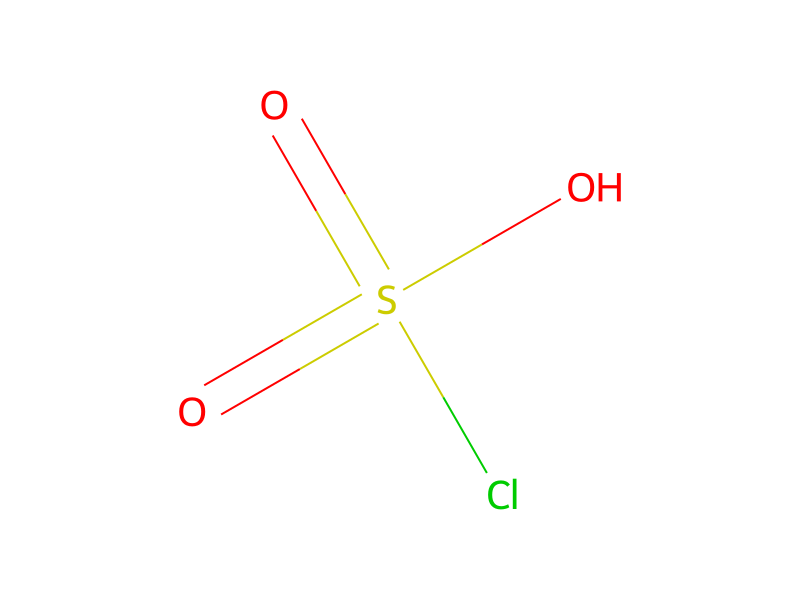


Product 2

Reagents, catalysts & solvents 1

Conditions
- Temperature
- 0 °C
Procedure
To a solution of 1.95 g. (0.004 mol) of 4-amino-N-[4-(2,4-di-tert-pentylphenoxy)butyl]-1-hydroxy-2-naphthamide in 50 ml. of dry pyridine at 0° C., under nitrogen, was added 1.95 g. (0.004 mol) of 4-acetamido-8-(4-chlorosulfonylphenylazo)-5-hydroxy-1-naphthalenesulfonyl chloride. The solution was stirred at 0° C. for one hour, poured into 75 ml. of concentrated hydrochloric acid and 75 ml. of ice. The solid was collected on a filter funnel and dried. It was then chromatographed on a silica column, eluting with ethyl acetate to remove the product. The eluents were concentrated to dryness and the resulting solid reprecipitated from chloroform with hexane. The solid was collected on a filter funnel and dried to yield 1.1 g. (39%), m.p. 220°-2° C. dec. The 4-acetamido-8-(4-chlorosulfonylphenylazo)-5-hydroxy-1-naphthalenesulfonyl chloride was prepared by heating a solution of 9.7 g. (0.02 mol) of sodium 4-acetamido-5 -hydroxy-6-(4-sulfamoylphenylazo)-1-naphthalenesulfonate in 150 ml. of chlorosulfonic acid on a steam bath for ninety minutes. The solution was cooled and poured onto ice. The solid was collected on a filter funnel and dried to yield 9.4 g. (94%). The sodium 4-acetamido-5-hydroxy-8-(4-sulfamoylphenylazo)-1-naphthalenesulfonate was prepared as in Example 1.
Workup
- additionpoured into 75 ml
- customThe solid was collected on a filter funnel
- customdried
- customIt was then chromatographed on a silica column
- washeluting with ethyl acetate
- customto remove the product
- concentrationThe eluents were concentrated to dryness
- customthe resulting solid reprecipitated from chloroform with hexane
- customThe solid was collected on a filter funnel
- customdried
- customto yield 1.1 g
- temperatureby heating a solution of 9.7 g
- temperatureThe solution was cooled
- additionpoured onto ice
- customThe solid was collected on a filter funnel
- customdried
- customto yield 9.4 g
Sources & evidence
- ORD record
- ord-6dccf83a06824255a52e6905e97105cc
- Source dataset
- uspto-grants-1981_05
- Patent number
- US04268606
Reaction notes
Loading…