Sodium Hydroxide → 5-Bromo-2-ethoxypyridin-3-amine
Reaction equation

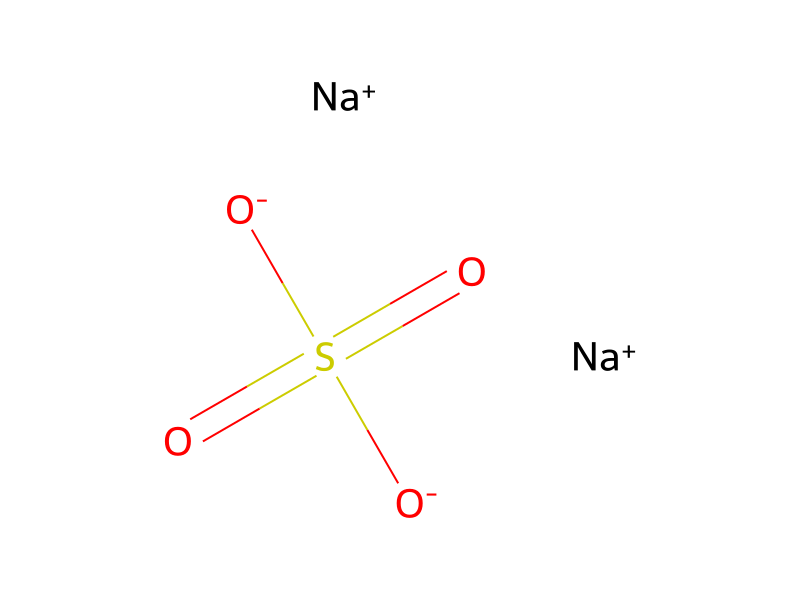
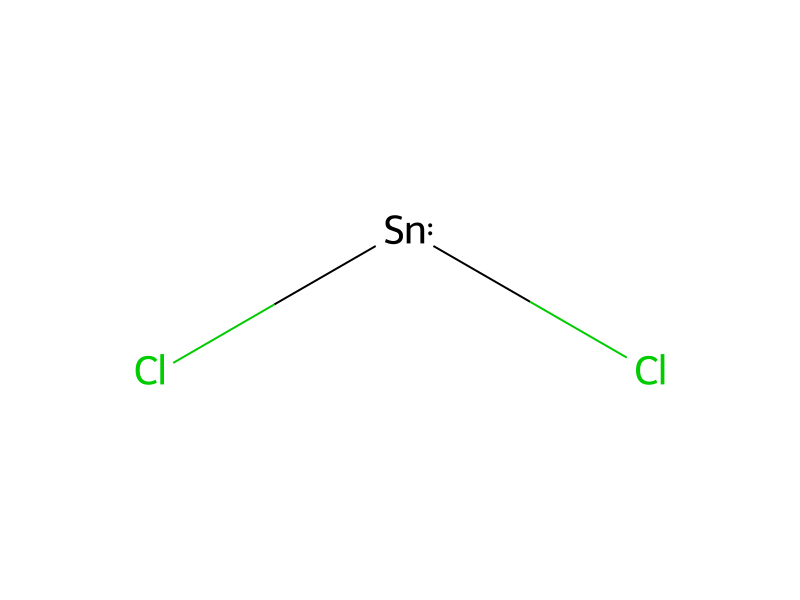
[Br:1][C:2]1[CH:3]=[C:4]([N+:11]([O-])=O)[C:5]([O:8][CH2:9][CH3:10])=[N:6][CH:7]=1.[Sn](Cl)Cl.[OH-].[Na+].S([O-])([O-])(=O)=O.[Na+].[Na+]>C(OCC)(=O)C>[Br:1][C:2]1[CH:3]=[C:4]([NH2:11])[C:5]([O:8][CH2:9][CH3:10])=[N:6][CH:7]=1Participants




Procedure
To a solution of 5-bromo-2-ethoxy-3-nitropyridine (75.2 mg, 0.304 mmol) in ethyl acetate (3 mL) was added tin(II) chloride (289 mg, 1.52 mmol), and the mixture was heated to reflux for 2 h. After cooling to rt, 50% aqueous sodium hydroxide was added dropwise until a sticky brown solid completely formed. Sodium sulfate was then added, and the mixture was stirred for several minutes. The solids were then removed by filtration. The filtrate was dried over sodium sulfate, filtered, and concentrated in vacuo to provide 5-bromo-2-ethoxypyridin-3-amine (53 mg, 0.25 mmol, 80% yield) as a dark blue film. 1H NMR (400 MHz, CDCl3) δ 7.56 (d, 1H), 6.97 (d, 1H), 4.37 (q, 2H), 3.85 (br s, 2H), 1.40 (dd, 3H); MS (EI) for C7H9BrN2O: 217, 219 (Br isotopes, MH+).
Workup
- temperaturethe mixture was heated
- temperatureto reflux for 2 h
- customcompletely formed
- customThe solids were then removed by filtration
- dry with materialThe filtrate was dried over sodium sulfate
- filtrationfiltered
- concentrationconcentrated in vacuo
Sources & evidence
- ORD record
- ord-2cf648f54bfc423388b98d803ddbf538
- Source dataset
- uspto-grants-2014_02
- Patent number
- US08648066B2
Reaction notes
Loading…