Vinyl Acetate → Zeaxanthin
Reaction equation

[CH3:1][C:2]1[CH2:7][C@@H:6]([OH:8])[CH2:5][C:4]([CH3:10])([CH3:9])[C:3]=1/[CH:11]=[CH:12]/[C:13](/[CH3:42])=[CH:14]/[CH:15]=[CH:16]/[C:17](/[CH3:41])=[CH:18]/[CH:19]=[CH:20]/[CH:21]=[C:22](/[CH:24]=[CH:25]/[CH:26]=[C:27](/[CH:29]=[CH:30]/[C@@H:31]1[C:36]([CH3:38])([CH3:37])[CH2:35][C@@H:34]([OH:39])[CH:33]=[C:32]1[CH3:40])\[CH3:28])\[CH3:23].[CH3:43][C:44]1[CH2:49][C@@H:48]([OH:50])[CH2:47][C:46]([CH3:52])([CH3:51])[C:45]=1/[CH:53]=[CH:54]/[C:55](/[CH3:84])=[CH:56]/[CH:57]=[CH:58]/[C:59](/[CH3:83])=[CH:60]/[CH:61]=[CH:62]/[CH:63]=[C:64](/[CH:66]=[CH:67]/[CH:68]=[C:69](/[CH:71]=[CH:72]/[C@@H:73]1[C:78]([CH3:80])([CH3:79])[CH2:77][C@H:76]([OH:81])[CH:75]=[C:74]1[CH3:82])\[CH3:70])\[CH3:65].C(OC=C)(=O)C.C(OC(C)C)(C)C>CCCCC.CC(OC)(C)C.C(OCC)C.C1COCC1.CCCCCC>[CH3:40][C:32]1[CH2:33][C@@H:34]([OH:39])[CH2:35][C:36]([CH3:37])([CH3:38])[C:31]=1/[CH:30]=[CH:29]/[C:27](/[CH3:28])=[CH:26]/[CH:25]=[CH:24]/[C:22](/[CH3:23])=[CH:21]/[CH:20]=[CH:19]/[CH:18]=[C:17](/[CH:16]=[CH:15]/[CH:14]=[C:13](/[CH:12]=[CH:11]/[C@@H:3]1[C:4]([CH3:10])([CH3:9])[CH2:5][C@@H:6]([OH:8])[CH:7]=[C:2]1[CH3:1])\[CH3:42])\[CH3:41].[CH3:82][C:74]1[CH2:75][C@@H:76]([OH:81])[CH2:77][C:78]([CH3:79])([CH3:80])[C:73]=1/[CH:72]=[CH:71]/[C:69](/[CH3:70])=[CH:68]/[CH:67]=[CH:66]/[C:64](/[CH3:65])=[CH:63]/[CH:62]=[CH:61]/[CH:60]=[C:59](\[CH3:83])/[CH:58]=[CH:57]/[CH:56]=[C:55](\[CH3:84])/[CH:54]=[CH:53]/[C:45]1[C:46]([CH3:52])([CH3:51])[CH2:47][C@H:48]([OH:50])[CH2:49][C:44]=1[CH3:43]Participants
Reactant 4



Product 2
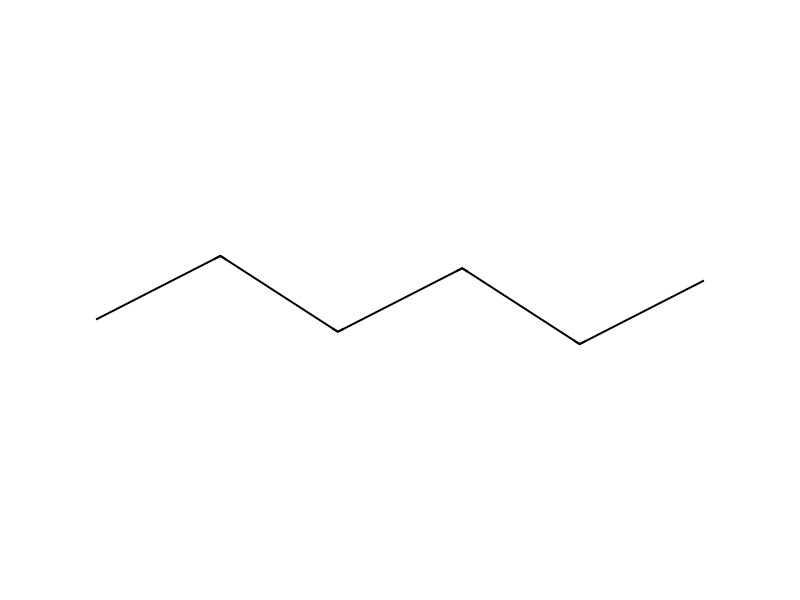
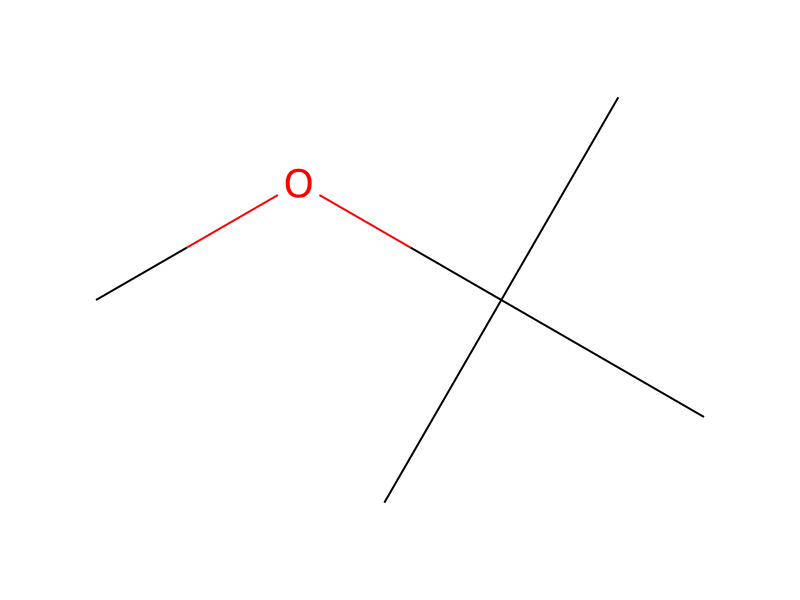
Reagents, catalysts & solvents 5

Procedure
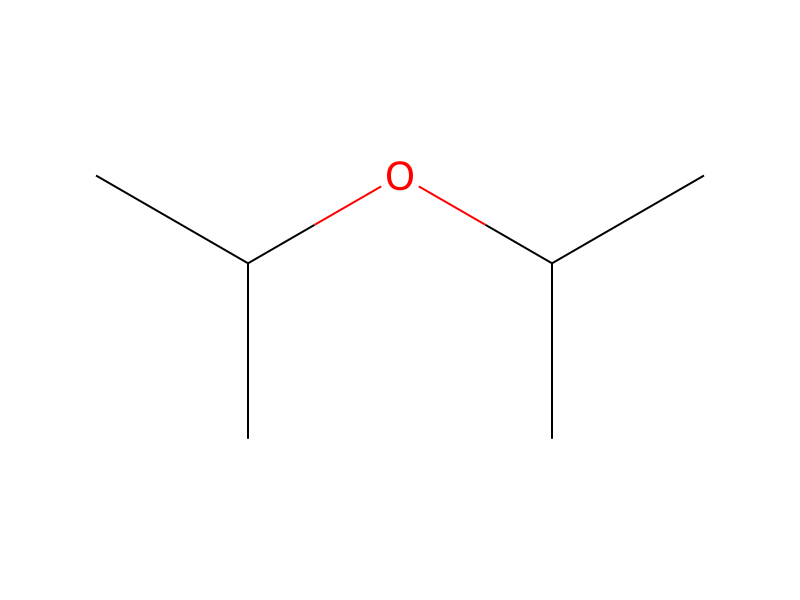
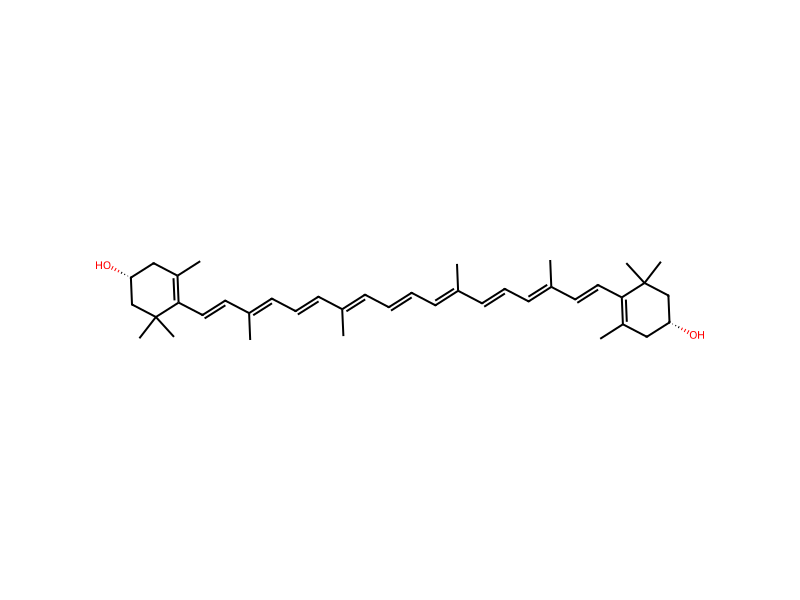
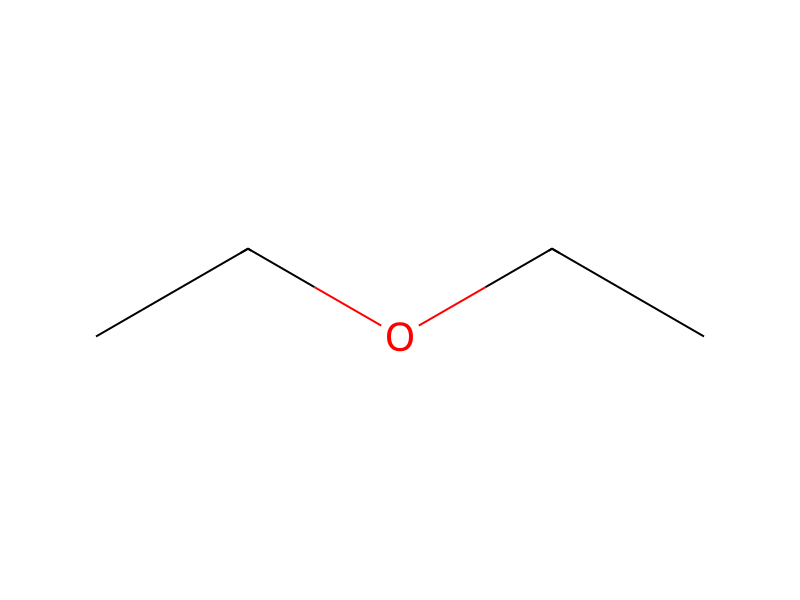
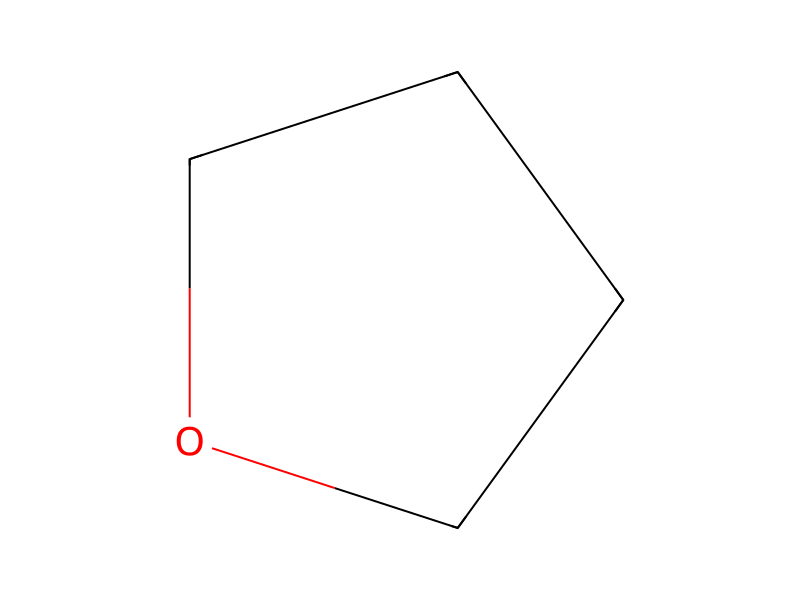
In a typical procedure, an epimeric mixture of (3R,3′R,6′R)-lutein and 3′-epilutein prepared from 97% pure lutein is acylated with vinyl acetate in the presence of lipase AK or PS at about 36° C. in pentane or hexane. After 48 h with lipase AK, approximately 5% of 3′-epilutein remains unreacted. However, lipase PS react much more slowly than lipase AK and after 72 h, 10% of 3′-epilutein is found unesterified. At the end of these reactions, an organic solvent (e.g., THF, diethyl ether, TBME, diisopropyl ether) is added to solubilize all the carotenoids, the enzyme is removed by filtration, and the product is evaporated to dryness. The residue is washed with pentane or hexane at about 0° C. to remove 3′-epilutein-3′-acetate, leaving behind (3R,3′R,6′R)-lutein and (3R,3′R)-zeaxanthin. After hydrolysis of the 3′-epilutein-3′-acetate, for example with alcoholic alkali, the product consists of mainly 3′-epilutein and (3R,3′R,6′R)-lutein is only present as a minor diastereomer. Preferred alkali for the hydrolysis of 3′-epilutein-3′-acetate include potassium hydroxide, sodium hydroxide, calcium hydroxide, ammonium hydroxide, methanolic ammonia and the like.
Workup
- customHowever, lipase PS react much more slowly than lipase AK and after 72 h
- customthe enzyme is removed by filtration
- customthe product is evaporated to dryness
- washThe residue is washed with pentane or hexane at about 0° C.
- customto remove 3′-epilutein-3′-acetate
Sources & evidence
- ORD record
- ord-604d42a0e7fb4eeeb17f8629ca3f3d82
- Source dataset
- uspto-grants-2004_11
- Patent number
- US06818798B1
Reaction notes
Loading…