Cyclododecane → 1-(2,6,6-Trimethyl-1-cyclohexen-1-yl)ethanone
Reaction equation

[CH3:1][C:2]([CH:4]1[C:9]([CH3:11])([CH3:10])[CH2:8][CH:7]=[CH:6][CH:5]1[CH3:12])=[O:3].CC(C)([O-])C.[Na+].C1CCCCCCCCCCC1.[CH3:31][C:32]([C@@H:34]1[C:39]([CH3:41])([CH3:40])[CH2:38][CH:37]=[CH:36][C@H:35]1[CH3:42])=[O:33]>CS(C)=O>[CH3:1][C:2]([CH:4]1[C:9]([CH3:11])([CH3:10])[CH2:8][CH2:7][CH:6]=[C:5]1[CH3:12])=[O:3].[CH3:31][C:32]([C:34]1[C:39]([CH3:41])([CH3:40])[CH2:38][CH2:37][CH2:36][C:35]=1[CH3:42])=[O:33]Participants
Reactant 4
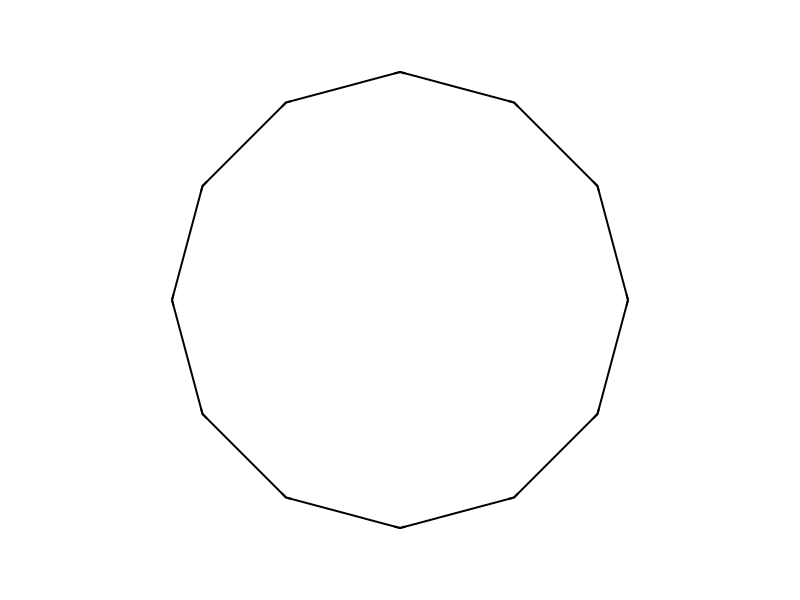



Product 2


Reagents, catalysts & solvents 1

Procedure
In a 100-ml four-necked flask equipped with a thermometer, a condenser and a stirrer, placed were 2,6,6-trimethyl-3-cyclohexenyl methyl ketone (10 g) synthesized in Referential Example 1, sodium t-butoxide (2.5 g), dimethyl sulfoxide (30 ml) and, as an internal standard substance for the analysis by gas chromatography, cyclododecane (3 g). They were reacted at 120° C. for 4 hours. The reaction mixture was treated in an usual manner. Analysis by gas chromatography showed that the content of trans-2,6,6-trimethyl-3-cyclohexenyl methyl ketone was 52.3%, while those of 2,6,6-trimethyl-2-cyclohexenyl methyl ketone and 2,6,6-trimethyl-1-cyclohexenyl methyl ketone produced by the above reaction were 32.9% and 14.8%, respectively. As a result of calculation, the yield of a mixture of these three methyl ketones was found to be 9.1 g.
Workup
- customIn a 100-ml four-necked flask equipped with a thermometer, a condenser and a stirrer
- customThey were reacted at 120° C. for 4 hours
- additionThe reaction mixture was treated in an usual manner
Sources & evidence
- ORD record
- ord-d11843f4201241f58c274657c1538a91
- Source dataset
- uspto-grants-2004_11
- Patent number
- US06822121B2
Reaction notes
Loading…