Borane → 4-Acetyl-5'-fluoro-2'-methoxy-biphenyl-2-carboxylic acid methyl ester
Reaction equation

[CH2:1](C1C=C(C(=O)C)C=CC=1C1C=C(F)C=CC=1OC)C=C.C(C1C=C(C(OC)=O)C(O)=CC=1)(=O)C.CON=C(C1C=CC(C2C=C(F)C=CC=2OC)=C(CCC)C=1OC)C.[CH3:61][O:62][C:63]([C:65]1[C:66]([C:74]2[CH:79]=[C:78]([F:80])[CH:77]=[CH:76][C:75]=2[O:81][CH3:82])=[CH:67][CH:68]=[C:69]([C:71](=[O:73])[CH3:72])[CH:70]=1)=[O:64].[CH3:83][O:84][C:85]([C:87]1[C:88]([C:98]2[CH:103]=[C:102]([F:104])[CH:101]=[CH:100][C:99]=2[O:105][CH3:106])=[CH:89][CH:90]=[C:91]([C:93](=[N:95][O:96][CH3:97])[CH3:94])[CH:92]=1)=[O:86].B>O1CCCC1>[CH3:61][O:62][C:63]([C:65]1[C:66]([C:74]2[CH:79]=[C:78]([F:80])[CH:77]=[CH:76][C:75]=2[O:81][CH3:82])=[CH:67][CH:68]=[C:69]([C:71](=[O:73])[CH3:72])[CH:70]=1)=[O:64].[CH3:83][O:84][C:85]([C:87]1[C:88]([C:98]2[CH:103]=[C:102]([F:104])[CH:101]=[CH:100][C:99]=2[O:105][CH3:106])=[CH:89][CH:90]=[C:91]([C:93](=[N:95][O:96][CH3:97])[CH3:94])[CH:92]=1)=[O:86].[CH2:83]([O:84][C:85]([C:87]1[C:88]([C:98]2[CH:103]=[C:102]([F:104])[CH:101]=[CH:100][C:99]=2[O:105][CH3:106])=[CH:89][CH:90]=[C:91]([CH:93]([NH2:95])[CH3:94])[CH:92]=1)=[O:86])[CH3:1]Participants
Reactant 6
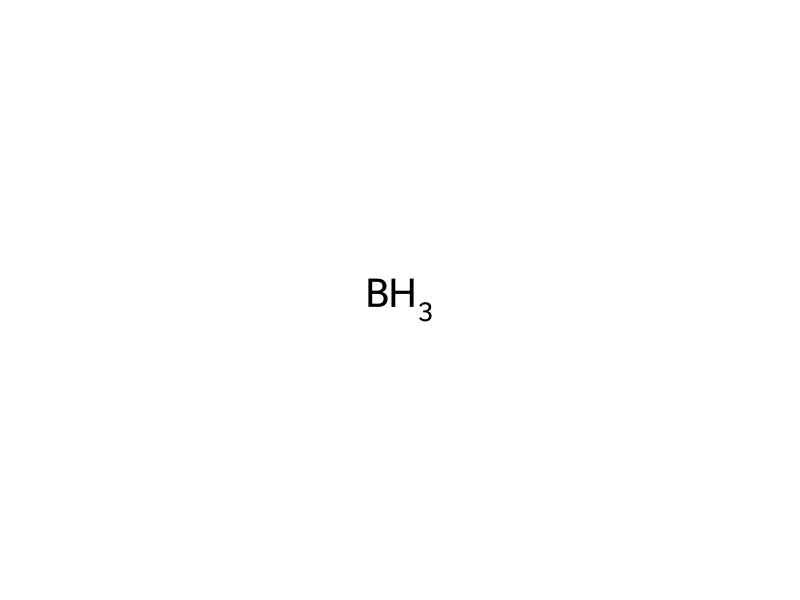 HCID 6331Borane
 HCID 85444Methyl 5-acetylsalicylate
 HCID 672452181-(2-Allyl-5'-fluoro-2'-methoxy-biphenyl-4-yl)-ethanone
 HCID 672453494-Acetyl-5'-fluoro-2'-methoxy-biphenyl-2-carboxylic acid methyl ester
 HCID 873230641-(5'-Fluoro-3,2'-dimethoxy-2-propyl-biphenyl-4-yl)-ethanone o-methyl-oxime
 HCID 1317289575'-Fluoro-2'-methoxy-4-(1-methoxyimino-ethyl)-biphenyl-2-carboxylic acid methyl ester
Product 3

Reagents, catalysts & solvents 1

Procedure
4-Acetyl-5′-fluoro-2′-methoxy-biphenyl-2-carboxylic acid methyl ester was prepared in a similar manner to 1-(2-allyl-5′-fluoro-2′-methoxy-biphenyl-4-yl)-ethanone (Example 34) using methyl 5-acetylsalicylate instead of 3′-allyl-4′-hydroxyacetophenone. 5′-Fluoro-2′-methoxy-4-(1-methoxyimino-ethyl)-biphenyl-2-carboxylic acid methyl ester was prepared in a similar manner to 1-(5′-fluoro-3,2′-dimethoxy-2-propyl-biphenyl-4-yl)-ethanone O-methyl-oxime (Example 35) using 4-acetyl-5′-fluoro-2′-methoxy-biphenyl-2-carboxylic acid methyl ester instead of 1-(5′-fluoro-3,2′-dimethoxy-2-propyl-biphenyl-4-yl)-ethanone. A solution of 5′-fluoro-2′-methoxy-4-(1-methoxyimino-ethyl)-biphenyl-2-carboxylic acid methyl ester (3.61 g, 10 mmol) in tetrahydrofuran (40 ml), was treated dropwise with 1M borane.tetrahydrofuran solution (50 ml, 50 mmol) with ice cooling, and the resultant solution was stirred at ambient temperature for 3 days. The solvent was evaporated and the residue was partitioned between dichloromethane and dilute aqueous sodium carbonate solution. The organic phase was washed with water, the solvent evaporated and the residue treated with ethanol (50 ml), caesium fluoride (4.05 g) and sodium carbonate (4.05 g). This mixture was heated under reflux overnight and the solvent evaporated. The residue was treated with water and extracted with dichloromethane. The organic extracts were dried over anhydruous sodium sulfate, the solvent evaporated and the residue flash chromatographed over silica gel uluting with 98:2 ethyl acetate/2M ammonia in methanol to give 4-(1-amino-ethyl)-5′-fluoro-2′-methoxy-biphenyl-2-carboxylic acid ethyl ester. 4-[1-(3,5-Dimethyl-isoxazole-4-sulfonylamino)-ethyl]-5′-fluoro-2′-methoxy-biphenyl-2-carboxylic acid ethyl ester was prepared in a similar manner to N-[1-(2-allyl-5′-fluoro-2′-methoxy-biphenyl-4-yl)-ethyl]-3,4-difluoro-benzenesulfonamide (Example 34) using 4-(1-amino-ethyl)-5′-fluoro-2′-methoxy-biphenyl-2-carboxylic acid ethyl ester and 3,5-dimethyl-isoxazole-4-sulfonyl chloride. A solution of 4-[1-(3,5-dimethyl-isoxazole-4-sulfonylamino)-ethyl]-5′-fluoro-2′-methoxy-biphenyl-2-carboxylic acid ethyl ester (0.13 g, 0.28 mmol) in tetrahydrofuran (5 ml) was treated with 1M lithium aluminium hydride in tetrahydrofuran solution (1.1 ml, 1.1 mmol), and the resultant solution heated under reflux for 2 h. The solution was cooled, treated with dilute aqueous hydrochloric acid and extracted with ethyl acetate. The combined extracts were washed with brine, dried (sodium sulfate) and evaporated to give the title compound. MS (ESI) m/z: 435.1 [M+H]+.
Workup
- customThe solvent was evaporated
- customthe residue was partitioned between dichloromethane and dilute aqueous sodium carbonate solution
- washThe organic phase was washed with water
- customthe solvent evaporated
- additionthe residue treated with ethanol (50 ml), caesium fluoride (4.05 g) and sodium carbonate (4.05 g)
- temperatureThis mixture was heated
- temperatureunder reflux overnight
- customthe solvent evaporated
- additionThe residue was treated with water
- extractionextracted with dichloromethane
- dry with materialThe organic extracts were dried over anhydruous sodium sulfate
- customthe solvent evaporated
- customthe residue flash chromatographed over silica gel uluting with 98:2 ethyl acetate/2M ammonia in methanol
Sources & evidence
- ORD record
- ord-8b473a4bb73e4b5ea230fce5a2b39af4
- Source dataset
- uspto-grants-2011_06
- Patent number
- US07960365B2
Reaction notes
Loading…