3-Chloroaniline → (E)-3-(4-((3-Chlorophenylamino)methyl)phenyl)acrylic acid
Reaction equation

[CH:1]([C:3]1[CH:8]=[CH:7][C:6](/[CH:9]=[CH:10]/[C:11]([OH:13])=[O:12])=[CH:5][CH:4]=1)=O.[Cl:14][C:15]1[CH:16]=[C:17]([NH2:21])[CH:18]=[CH:19][CH:20]=1.C([Sn](Cl)(Cl)CCCC)CCC.C1([SiH3])C=CC=CC=1>C1COCC1.CO>[Cl:14][C:15]1[CH:16]=[C:17]([NH:21][CH2:1][C:3]2[CH:8]=[CH:7][C:6](/[CH:9]=[CH:10]/[C:11]([OH:13])=[O:12])=[CH:5][CH:4]=2)[CH:18]=[CH:19][CH:20]=1Participants





Procedure
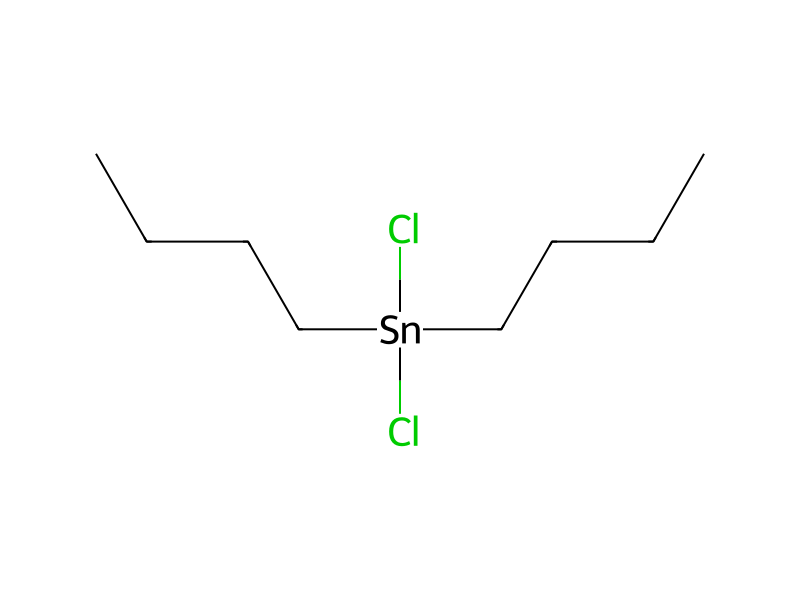
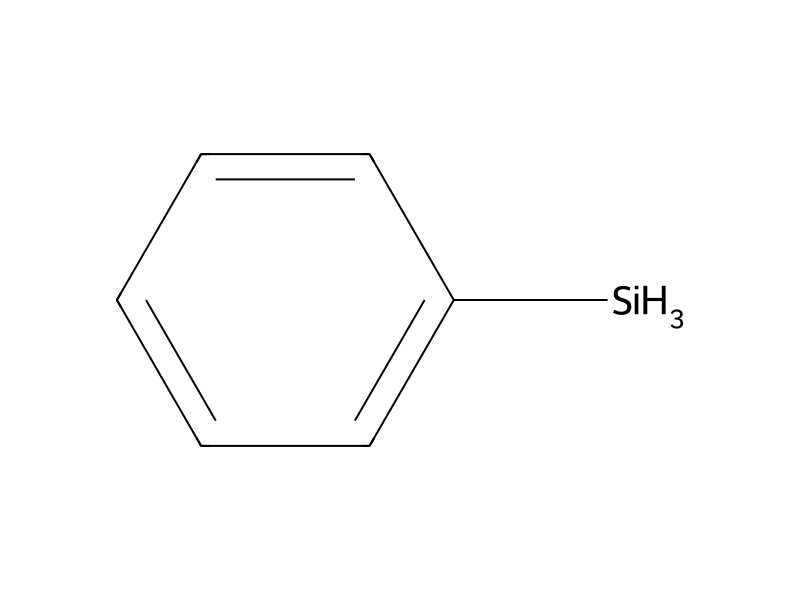
To a solution of (E)-3-(4-formylphenyl)acrylic acid 229 (1 g, 5.67 mmol) and 3-chlorobenzenamine 230 (596 L, 5.67 mmol) in THF (8 ml), dibutyltin dichloride (173 mg, 0.57 mmol) was added followed by dropwise addition of phenylsilane (697 uL, 5.67 mmol). The resulting mixture was stirred at room temperature in the nitrogen atmosphere overnight, diluted with MeOH and concentrated under reduced pressure. The solid residue was triturated with DCM to yield the title compound 231 (1.24 g, 76% yield). 1H NMR: (DMSO) δ (ppm): 7.61 (d, J=8.0 Hz, 2H), 7.53 (d, J=16.0 Hz, 1H), 7.34 (d, J=8.4 Hz, 2H), 7.00 (t, J=8.0 Hz, 1H), 6.53 (t, J=2.0 Hz, 1H), 6.49-6.48 (m, 2H), 6.46 (d, J=16.0 Hz, 1H), 4.28 (bs, 2H). MS: (calc.) 287.7; (obt.) 288.1 (MH)+.
Workup
- concentrationconcentrated under reduced pressure
- customThe solid residue was triturated with DCM
Sources & evidence
- ORD record
- ord-250c94dad27d4b2e9bbd96083bfb12cf
- Source dataset
- uspto-grants-2011_01
- Patent number
- US07868205B2
Reaction notes
Loading…