Hydrochloric Acid → GNF-Pf-1049
Reaction equation

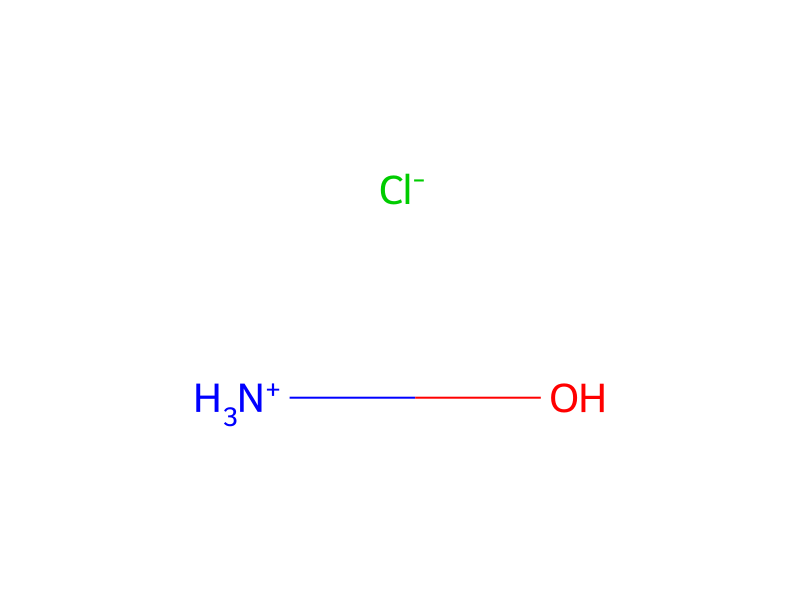
[C:1]([C:4]1[CH:5]=[C:6]2[C:11](=[CH:12][CH:13]=1)[C:10]([CH3:15])([CH3:14])[CH2:9][CH2:8][C:7]2([CH3:17])[CH3:16])(=O)[CH3:2].[Cl-].[OH:19][NH3+:20].Cl>N1C=CC=CC=1>[N:20](=[C:1]([C:4]1[CH:5]=[C:6]2[C:11](=[CH:12][CH:13]=1)[C:10]([CH3:15])([CH3:14])[CH2:9][CH2:8][C:7]2([CH3:17])[CH3:16])[CH3:2])[OH:19]Participants
Reactant 3


Product 1

Reagents, catalysts & solvents 1

Procedure
15 g (65 millimoles) of 6-acetyl-1,2,3,4-tetrahydro-1,1,4,4-tetramethylnaphthalene and 6.5 g (91 millimoles) of hydroxylammonium chloride in 100 ml of pyridine were heated for 1 hour at 80° C. After cooling, the mixture was poured onto water and acidified with 2N hydrochloric acid. The precipitated crystals were filtered off under suction, washed with water and dried. 16 g of 6-[1-hydroximinoethyl]-1,2,3,4-tetrahydro-1,1,4,4-tetramethylnaphthalene were obtained in this manner. 5 g (20 millimoles) thereof and 5 g (20 millimoles) of terephthalic monomethyl ester chloride were combined and were stirred for 6 hours at 120° C. After cooling, the solidified material was dissolved with about 60 ml of methanol. The supernatant methanol phase was decanted and the solid residue was recrystallized twice from chloroform/methanol. 2.5 g of the title compound of melting point 207°-208° C. were obtained in this manner.
Workup
- temperatureAfter cooling
- additionthe mixture was poured onto water
- filtrationThe precipitated crystals were filtered off under suction
- washwashed with water
- customdried
Sources & evidence
- ORD record
- ord-5fbe4e2475c44855b7ef31ef575a18e2
- Source dataset
- uspto-grants-1991_10
- Patent number
- US05061705
Reaction notes
Loading…