Hydrochloric Acid → 2-Hydroxymethyl-chroman-4-one
Reaction equation

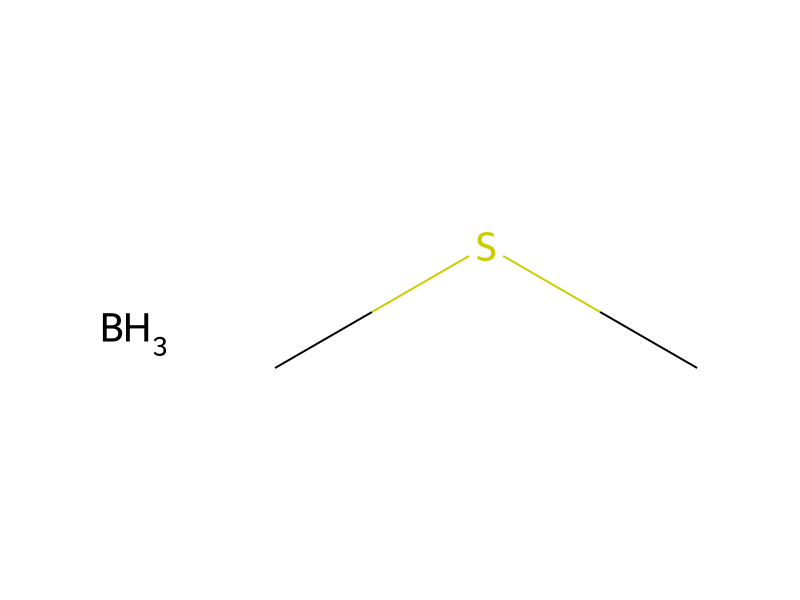
[O:1]=[C:2]1[C:11]2[C:6](=[CH:7][CH:8]=[CH:9][CH:10]=2)[O:5][CH:4]([C:12](O)=[O:13])[CH2:3]1.B.CSC.Cl>C1COCC1>[OH:13][CH2:12][CH:4]1[CH2:3][C:2](=[O:1])[C:11]2[C:6](=[CH:7][CH:8]=[CH:9][CH:10]=2)[O:5]1Participants




Conditions
- Temperature
- 0 °C
Procedure
The 3 g of 4-oxo-chromane-2-carboxylic acid in THF (65 mL) was stirred was cooled to 0° C. and borane-methyl sulfide complex (2.5 mL of M solution, 25 mmoles) was added dropwise for about 15 minutes. The solution was warmed to room temperature and then heated at reflux for 4 hours. The solution was cooled to room temperature and 10% aqueous hydrochloric acid (20 mL) was added over 15 minutes and the solution was stirred at room temperature for 2 hours. The mixture was concentrated to approximately 25 mL. The solution was poured into ethyl acetate (50 mL) and washed with water (2×30 mL), saturated sodium bicarbonate (2×30 mL) and saturated ammonium chloride (2×30 mL). The organic layer was separated dried over anhydrous MgSO4, and then concentrated in vacuo to yield about 2.6 g of 2-(hydroxymethyl)-chroman-4-one (86.7% yield)
Workup
- temperatureThe solution was warmed to room temperature
- temperatureheated
- temperatureat reflux for 4 hours
- temperatureThe solution was cooled to room temperature
- concentrationThe mixture was concentrated to approximately 25 mL
- additionThe solution was poured into ethyl acetate (50 mL)
- washwashed with water (2×30 mL), saturated sodium bicarbonate (2×30 mL) and saturated ammonium chloride (2×30 mL)
- customThe organic layer was separated
- dry with materialdried over anhydrous MgSO4
- concentrationconcentrated in vacuo
Sources & evidence
- ORD record
- ord-e1b2f3182738448d9ff1217443bfb034
- Source dataset
- uspto-grants-2004_06
- Patent number
- US06756403B2
Reaction notes
Loading…