Borane → 1,1,1-Trifluoro-2-methyl-3-(4-phenylsulfonylphenylamino)propan-2-ol
Reaction equation

[C:1]1([S:7]([C:10]2[CH:15]=[CH:14][C:13]([NH:16][C:17](=O)[C:18]([OH:24])([CH3:23])[C:19]([F:22])([F:21])[F:20])=[CH:12][CH:11]=2)(=[O:9])=[O:8])[CH:6]=[CH:5][CH:4]=[CH:3][CH:2]=1.B>O1CCCC1>[F:22][C:19]([F:20])([F:21])[C:18]([CH3:23])([OH:24])[CH2:17][NH:16][C:13]1[CH:12]=[CH:11][C:10]([S:7]([C:1]2[CH:6]=[CH:5][CH:4]=[CH:3][CH:2]=2)(=[O:8])=[O:9])=[CH:15][CH:14]=1Participants
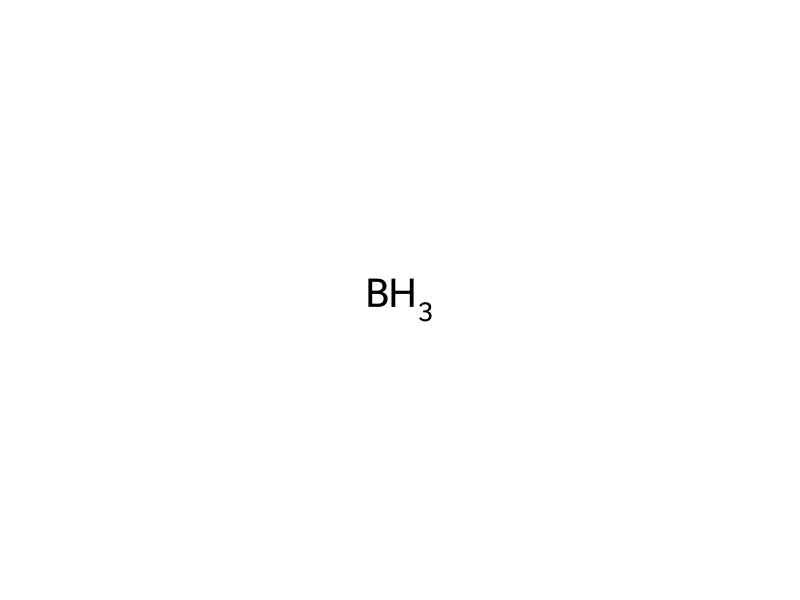



Conditions
- Temperature
- 0 °C
Procedure
To a solution of N-(4-phenylsulfonylphenyl)-3,3,3-trifluoro-2-hydroxy-2-methylpropanamide (0.5 g, 1.33 mmol) in tetrahydrofuran (10 mL) at 0° C. was added a solution of borane in tetrahydrofuran (3.14 mL of 1.0M, 3.14 mmol) in a dropwise manner. The mixture was stirred at 0° C. for 15 minutes and was then refluxed for 18 hours. Excess borane was quenched by the careful addition of methanol. Evaporation of the mixture gave a white solid. The solid was partitioned between an aqueous sodium bicarbonate solution and dichloromethane. The combined organic extracts were dried and evaporated to yield the title compound (0.16 g); mp 145°-146° C.; NMR 1.27 (s,3, CH3), 3.32 (d,2, CH2), 6.13 (s,1, OH), 6.70 (m,1, NH), 6.82 (d,2, J=8.8, Ar), 7.58 (m,5, Ar), 7.84 (d,2, J=7.7, Ar); MS: m/z=360 (M+1). Analysis for C16H16F3NO3S.0.75 H2O: Calculated: C, 51.54; H, 4.73; N, 3.76; Found: C, 51.63; H, 4.38; N, 3.70.
Workup
- temperaturewas then refluxed for 18 hours
- customExcess borane was quenched by the careful addition of methanol
- customEvaporation of the mixture
- customgave a white solid
- customThe solid was partitioned between an aqueous sodium bicarbonate solution and dichloromethane
- customThe combined organic extracts were dried
- customevaporated
Sources & evidence
- ORD record
- ord-9b5a894df31a40ef9e016f56370d6daf
- Source dataset
- uspto-grants-1995_05
- Patent number
- US05411973
Reaction notes
Loading…