Phenol → 5-Bromoisoindoline hydrobromide
Reaction equation

[Br:1][C:2]1[CH:3]=[C:4]2[C:8](=[CH:9][CH:10]=1)[CH2:7][N:6](S(C1C=CC(C)=CC=1)(=O)=O)[CH2:5]2.C1(O)C=CC=CC=1.C(O)(=O)CC>Br>[BrH:1].[Br:1][C:2]1[CH:3]=[C:4]2[C:8](=[CH:9][CH:10]=1)[CH2:7][NH:6][CH2:5]2Participants
Reactant 3


Product 1

Reagents, catalysts & solvents 1

Procedure
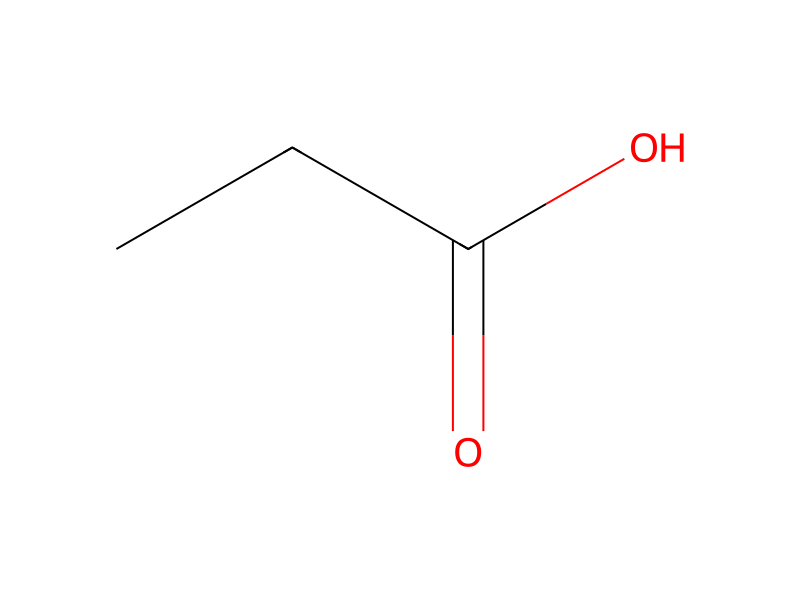
In 25 ml of 47% hydrobromic acid was suspended 5.0 g of 5-bromo-2-(p-toluenesulfonyl)isoindoline, followed by adding thereto 4.0 g of phenol and 15 ml of propionic acid, and the resulting mixture was heated under reflux for 4 hours. The reaction mixture was concentrated under reduced pressure, after which ethanol was added to the resulting residue and the crystals were collected by filtration to obtain 3.5 g of 5-bromoisoindoline hydrobromide. The hydrobromide obtained was suspended in 50 ml of methylene chloride, followed by adding thereto 2.8 g of triethylamine. Then, 2.4 g of benzyl chloroformate was added dropwise thereto and the resulting mixture was stirred at room temperature for 1 hour. The reaction mixture was added to 50 ml of water and the pH was adjusted to 1 with 6N hydrochloric acid, after which the organic layer was separated. The organic layer obtained was washed with a saturated aqueous sodium chloride solution, dried over anhydrous magnesium sulfate, and then distilled under reduced pressure to remove the solvent. n-Hexane was added to the resulting residue and the crystals were collected by filtration to obtain 3.8 g of colorless 2-benzyloxy-carbonyl-5-bromoisoindoline.
Workup
- additionby adding
- temperatureunder reflux for 4 hours
- concentrationThe reaction mixture was concentrated under reduced pressure
- additionafter which ethanol was added to the resulting residue
- filtrationthe crystals were collected by filtration
Sources & evidence
- ORD record
- ord-0c9bb008e81644c088ad7ee8da9e9114
- Source dataset
- uspto-grants-2000_02
- Patent number
- US06025370
Reaction notes
Loading…