(2-Phenylquinolin-7-yl)methanol → 7-Methyl-2-phenylquinoline
Reaction equation

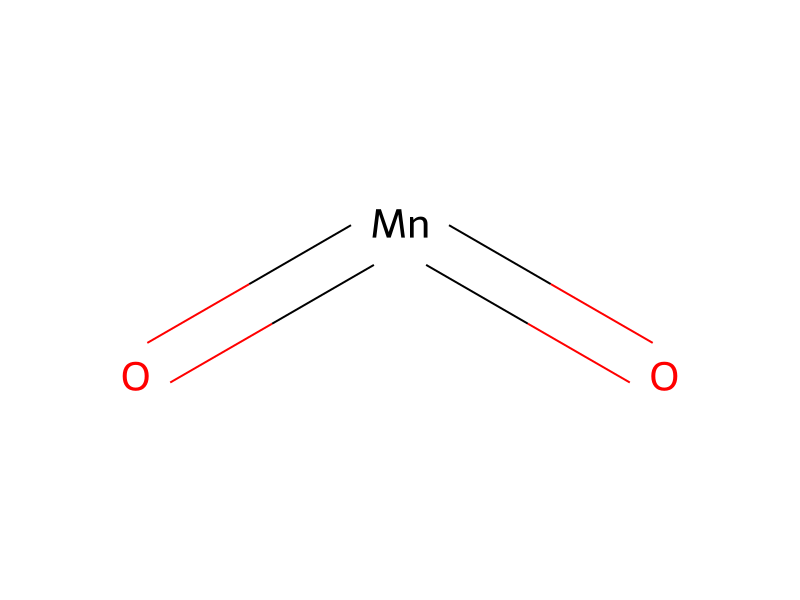
[C:1]1([C:7]2[CH:16]=[CH:15][C:14]3[C:9](=[CH:10][C:11]([CH:17]=O)=[CH:12][CH:13]=3)[N:8]=2)[CH:6]=[CH:5][CH:4]=[CH:3][CH:2]=1.C1(C2C=CC3C(=CC(CO)=CC=3)N=2)C=CC=CC=1>C(Cl)(Cl)Cl.O=[Mn]=O>[CH3:17][C:11]1[CH:10]=[C:9]2[C:14]([CH:15]=[CH:16][C:7]([C:1]3[CH:2]=[CH:3][CH:4]=[CH:5][CH:6]=3)=[N:8]2)=[CH:13][CH:12]=1Participants
5
Reactant 2


Product 1

Reagents, catalysts & solvents 2

Procedure
Additionally, 2-phenylquinoline-7-carbaldehyde could be prepared as follows: To a solution of (2-phenylquinolin-7-yl)methanol (75 mg, 0.319 mmol) in chloroform (1 mL) was added MnO2 (277 mg, 3.19 mmol). The mixture was stirred at it for 20 h and filtered through a Celite pad. The filtrate was concentrated under reduced pressure and the residue was purified by silica gel chromatography. (1% MeOH in dichloromethane) to afford the title compound. 1H-NMR (CDCl3, 400 MHz) δ 7.50-7.59 (m, 3 H), 7.95 (d, J=8.8 Hz, 1 H), 8.04 (dd, J=2.4, 8.8 Hz, 2 H), 8.19-8.22 (m, 2 H), 8.31 (d, J=8.8 Hz, 1 H), 8.69 (s, 1 H), 10.26 (s, 1 H). MS (ES+): m/z 234 [MH+]. HPLC: tR=3.59 min (OpenLynx, polar—5 min).
Workup
- filtrationfiltered through a Celite pad
- concentrationThe filtrate was concentrated under reduced pressure
- customthe residue was purified by silica gel chromatography
Sources & evidence
- ORD record
- ord-23195376ecde43c9bd13d3dc6901a629
- Source dataset
- uspto-grants-2013_02
- Patent number
- US08367826B2
Reaction notes
Loading…