Pyrrole → (-)-Epibatidine-L-tartrate
Reaction equation

[NH:1]1[CH:5]=[CH:4][CH:3]=[CH:2]1.[Cl:6][C:7](OC1C(C(C)C)CCC(C)C1)=O.ClC#CS(C1C=C(C2C=CC=CN=2)C=CC=1)(=O)=O.[CH:38]12[NH:44][CH:41]([CH:42]=[CH:43]1)[CH:40]=[CH:39]2.Br.CC(O)=O>[Na].[Hg]>[CH:3]1[C:4]([CH:43]2[CH:38]3[NH:44][CH:41]([CH2:40][CH2:39]3)[CH2:42]2)=[CH:5][N:1]=[C:7]([Cl:6])[CH:2]=1Participants
Reactant 5
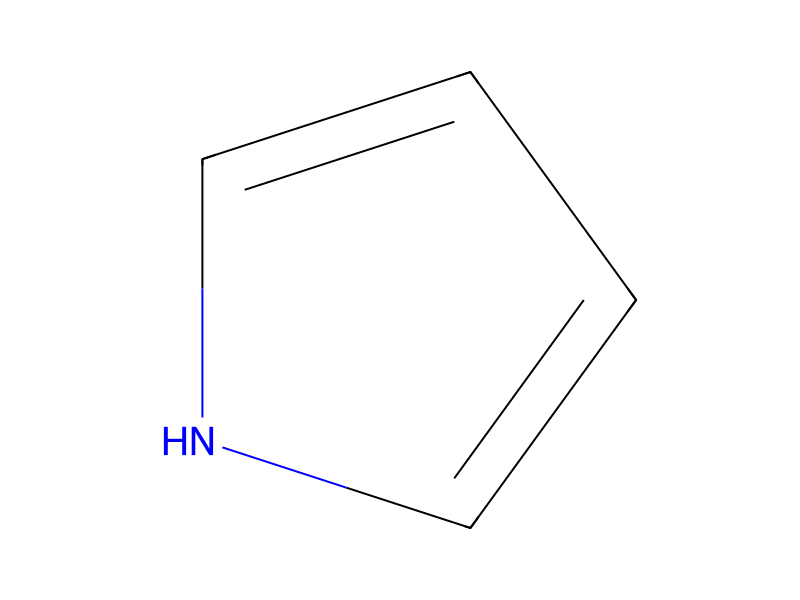


Product 1

Reagents, catalysts & solvents 1

Procedure
N-carbo-(-)-menthyloxy pyrrole is prepared from pyrrole and (-)-menthyl chloroformate by the method described above. The chiral pyrrole is treated with the sulfonyl acetylene 22 or 34 as in Example 29 to give a diastereoisomeric mixture of the chiral cycloadduct 7-aza-bicyclo[2.2.1]hepta-2,5-diene derivative. After treatment with sodium amalgam as in Example 30, the diastereoisomeric mixture of 2-exo-aryl-7-aza-bicyclo[2.2.1]hepta-5-ene derivatives is obtained. These diastereomers are separated by chromatography to give the d and 1 enantiomers. The optically active intermediates are each reduced and treated with HBr/AcOH to yield optically active epibatidine enantiomers. Similarly, other substituted 7-aza-bicyclo[2,2,1]heptane analogs are prepared from the corresponding chiral pyrroles and chiral cycloadducts.
Workup
- customto give
- customis obtained
- customThese diastereomers are separated by chromatography
- customto give the d and 1 enantiomers
Sources & evidence
- ORD record
- ord-10ffec6b695f4e01b9ea8420202122b2
- Source dataset
- uspto-grants-1998_10
- Patent number
- US05817679
Reaction notes
Loading…