Potassium tert-butoxide → (2R,6S,13aS,14aR,16aS,Z)-2-(7-fluoro-3-(trifluoromethyl)quinoxalin-2-yloxy)-6-(5-methylisoxazole-3-carboxamido)-5,16-dioxo-1,2,3,5,6,7,8,9,10,11,13a,14,14a,15,16,16a-hexadecahydrocyclopropa[e]pyrrolo[1,2-a][1,4]diazacyclopentadecine-14a-carboxylic acid
Reaction equation

[OH:1][C@H:2]1[CH2:34][N:5]2[C:6](=[O:33])[C@@H:7]([NH:24][C:25]([C:27]3[CH:31]=[C:30]([CH3:32])[O:29][N:28]=3)=[O:26])[CH2:8][CH2:9][CH2:10][CH2:11][CH2:12][CH:13]=[CH:14][C@@H:15]3[CH2:20][C@@:16]3([C:21]([OH:23])=[O:22])[NH:17][C:18](=[O:19])[C@@H:4]2[CH2:3]1.CC(C)([O-])C.[K+].Cl[C:42]1[C:43]([C:53]([F:56])([F:55])[F:54])=[N:44][C:45]2[C:50]([N:51]=1)=[CH:49][C:48]([F:52])=[CH:47][CH:46]=2>CS(C)=O.C1COCC1.CN(C)C=O.CC1CCCO1>[F:52][C:48]1[CH:49]=[C:50]2[C:45]([N:44]=[C:43]([C:53]([F:56])([F:55])[F:54])[C:42]([O:1][C@H:2]3[CH2:34][N:5]4[C:6](=[O:33])[C@@H:7]([NH:24][C:25]([C:27]5[CH:31]=[C:30]([CH3:32])[O:29][N:28]=5)=[O:26])[CH2:8][CH2:9][CH2:10][CH2:11][CH2:12][CH:13]=[CH:14][C@@H:15]5[CH2:20][C@@:16]5([C:21]([OH:23])=[O:22])[NH:17][C:18](=[O:19])[C@@H:4]4[CH2:3]3)=[N:51]2)=[CH:46][CH:47]=1Participants
Reactant 3
 HCID 23665647Potassium tert-butoxide
 HCID 67288102(2R,6S,13aS,14aR,16aS,Z)-2-hydroxy-6-(5-methylisoxazole-3-carboxamido)-5,16-dioxo-1,2,3,5,6,7,8,9,10,11,13a,14,14a,15,16,16a-hexadecahydrocyclopropa[e]pyrrolo[1,2-a][1,4]diazacyclopentadecine-14a-carboxylic acid
 HCID 866643423-Chloro-6-fluoro-2-(trifluoromethyl)quinoxaline
Product 1

Reagents, catalysts & solvents 4



Conditions
- Temperature
- 80 °C
Procedure
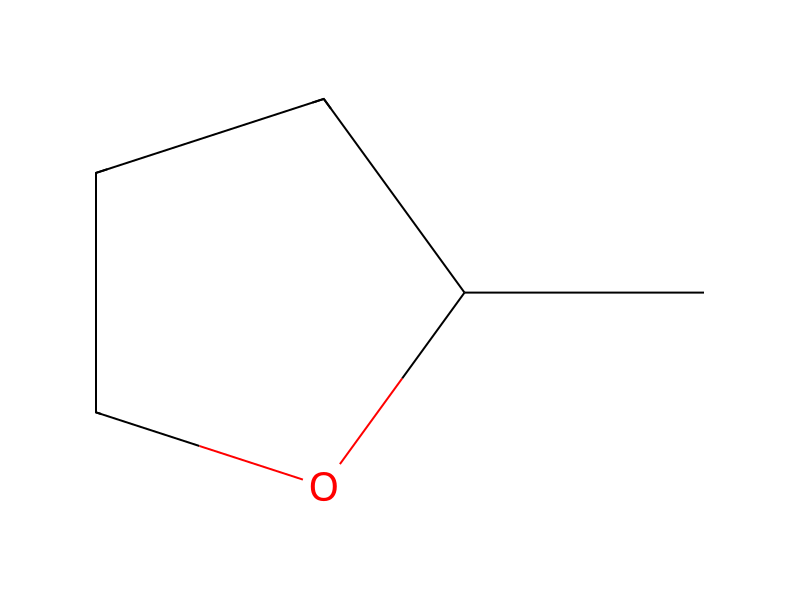
(2R,6S,13aS,14aR,16aS,Z)-2-hydroxy-6-(5-methylisoxazole-3-carboxamido)-5,16-dioxo-1,2,3,5,6,7,8,9,10,11,13a,14,14a,15,16,16a-hexadecahydrocyclopropa[e]pyrrolo[1,2-a][1,4]diazacyclopentadecine-14a-carboxylic acid (15.2 g) was dissolved in dimethylsulfoxide (122 mL) and a solution of potassium tert-butoxide in THF (1.0M, 68.8 mL) was added dropwise, keeping the temperature to less than 30° C. The resulting solution was added to a solution of 3-chloro-6-fluoro-2-(trifluoromethyl)quinoxaline (8.3 g) in dimethylformamide (152 mL) over 30 min while at 0° C. After stiffing for 30 min, the reaction was diluted with 2-methyltetrahydrofuran (330 mL), quenched with phosphoric acid (29.1 g), and finally diluted with water (441 mL). The layers were separated and the lower layer was extracted with 2-methyltetrahydrofuran (165 mL). The organic layers were combined and extracted twice with water (330 mL each time). The organic layer was concentrated, chased with acetonitrile, and the final volume adjusted to about 900 mL with acetonitrile. The slurry was warmed to 80° C., cooled to 0° C., and filtered. The solid was rinsed with acetonitrile (100 mL) and dried under vacuum at 50° C. (19.5 g, 84% yield)
Workup
- customto less than 30° C
- customquenched with phosphoric acid (29.1 g)
- additionfinally diluted with water (441 mL)
- customThe layers were separated
- extractionthe lower layer was extracted with 2-methyltetrahydrofuran (165 mL)
- extractionextracted twice with water (330 mL each time)
- concentrationThe organic layer was concentrated, chased with acetonitrile
- temperaturecooled to 0° C.
- filtrationfiltered
- washThe solid was rinsed with acetonitrile (100 mL)
- customdried under vacuum at 50° C. (19.5 g, 84% yield)
Sources & evidence
- ORD record
- ord-d2ed3de20c444ae99ee743e3e8a5b81d
- Source dataset
- uspto-grants-2014_06
- Patent number
- US08748374B2
Reaction notes
Loading…