Hydrochloric Acid → 9-Phenyl-9H-carbazole-3-boronic acid
Reaction equation

Br[C:2]1[CH:3]=[CH:4][C:5]2[N:6]([C:15]3[CH:20]=[CH:19][CH:18]=[CH:17][CH:16]=3)[C:7]3[C:12]([C:13]=2[CH:14]=1)=[CH:11][CH:10]=[CH:9][CH:8]=3.CCCCCC.C([Li])CCC.[B:32](OC)([O:35]C)[O:33]C.Cl>C1COCC1>[C:7]1([N:6]2[C:5]3[CH:13]=[CH:14][C:2]([B:32]([OH:35])[OH:33])=[CH:3][C:4]=3[C:20]3[C:15]2=[CH:16][CH:17]=[CH:18][CH:19]=3)[CH:12]=[CH:11][CH:10]=[CH:9][CH:8]=1Participants

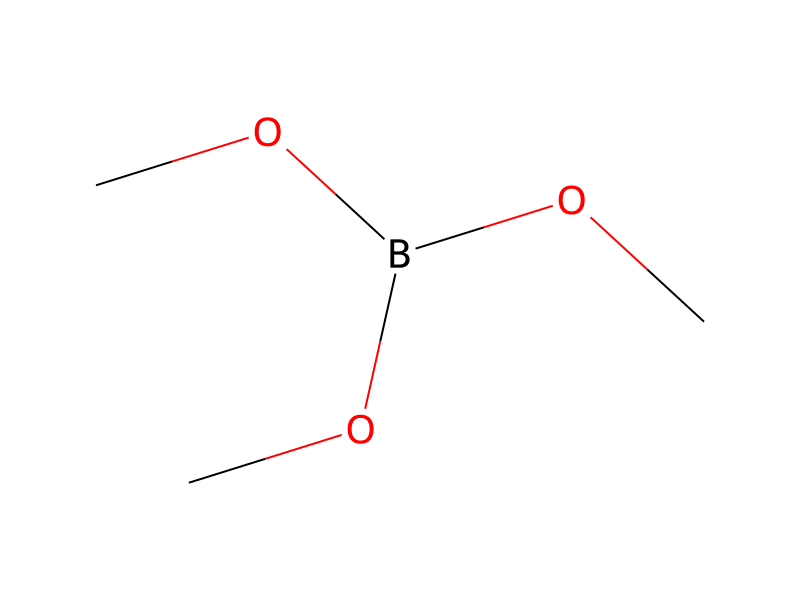



Procedure
Into a solution of 19.6 g (60.7 mmol) of 3-bromo-9-phenylcarbazole, prepared in Step 1 of the Embodiment 2, in THF (100 mL) was added dropwise 66.8 mL (42.3 mmol) of an n-butyllithium hexane solution (1.58 mol/L) at −78° C. under nitrogen, which was followed by stirring for 3 hours at the same temperature. Thereafter, 13.5 mL (140 mmol) of trimethyl borate was added, and stirring was continued for 24 hours while gradually raising the reaction temperature to room temperature. 200 mL of 2.0 mol/L hydrochloric acid was added to the solution, and additional stirring was conducted for 1 hour at room temperature. After the solution was extracted with ethyl acetate, the organic layer was washed with brine, dried with magnesium sulfate, filtered, and concentrated. The resulting solid was recrystallized with a mixed solvent of chloroform and hexane, giving 10.2 g of 9-phenylcarbazole-3-ylboronic acid as white powder in 58% yield.
Workup
- stirringstirring
- waitwas continued for 24 hours
- stirringadditional stirring
- waitwas conducted for 1 hour at room temperature
- extractionAfter the solution was extracted with ethyl acetate
- washthe organic layer was washed with brine
- dry with materialdried with magnesium sulfate
- filtrationfiltered
- concentrationconcentrated
- customThe resulting solid was recrystallized with a mixed solvent of chloroform and hexane
Sources & evidence
- ORD record
- ord-61e4478af7304b9db21f5ae7656c1154
- Source dataset
- uspto-grants-2012_01
- Patent number
- US08106392B2
Reaction notes
Loading…