Hexamethyldisilazane → 8-Methyladenosine
Reaction equation

Br[C:2]1[N:3]([C:13]2[N:14]=[CH:15][N:16]=[C:17]([NH2:20])[C:18]=2[N:19]=1)[C@@H:4]1[O:12][C@H:9]([CH2:10][OH:11])[C@@H:7]([OH:8])[C@H:5]1[OH:6].O=[CH:22][C@@H]([C@@H]([C@@H](CO)O)O)O.C[Si](C)(C)N[Si](C)(C)C.S([O-])([O-])(=O)=O.[NH4+].[NH4+].C[Al](C)C>[Pd]>[CH3:22][C:2]1[N:3]([C:13]2[N:14]=[CH:15][N:16]=[C:17]([NH2:20])[C:18]=2[N:19]=1)[C@@H:4]1[O:12][C@H:9]([CH2:10][OH:11])[C@@H:7]([OH:8])[C@H:5]1[OH:6]Participants
Reactant 5


Product 1

Reagents, catalysts & solvents 1

Procedure
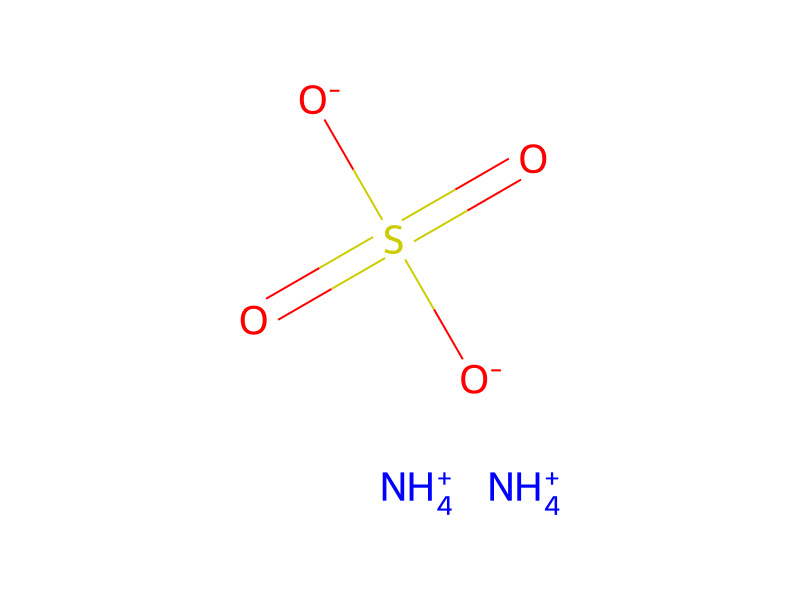
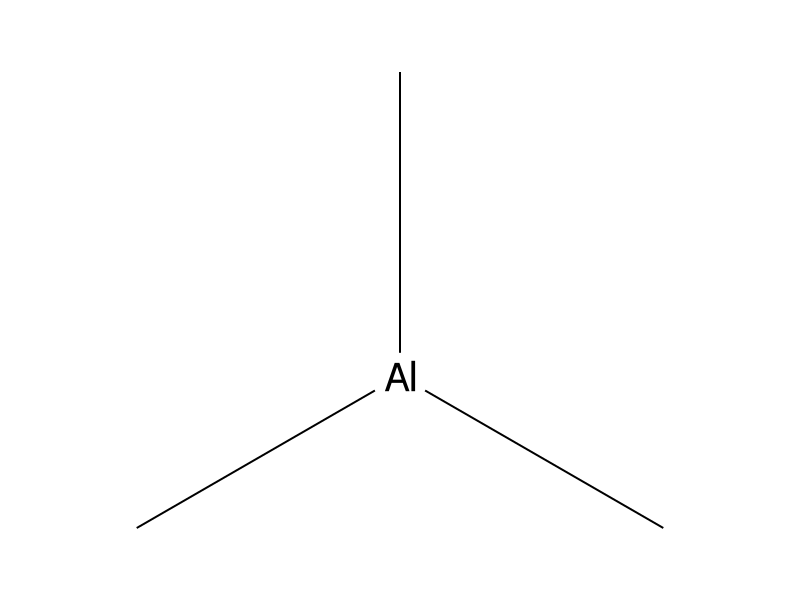
Starting with commercially available 8-bromoadenosine (1), the hydroxyl groups of the ribose moiety were transiently protected by treatment with hexamethyldisilazane and catalytic ammonium sulfate. The crude intermediate underwent palladium catalyzed coupling reaction with trimethylaluminum to install the methyl group at the 8-position. The product, without purification, was deprotected directly to afford 8-methyladenosine derivative (2). Treatment of 2 with thionyl chloride in pyridine afforded the chloride derivative 3, which was subjected to reaction with excess methylamine under microwave irradiation to yields the amine 4. Allylic displacement with cis-1-(t-butoxycarbonylamino)-4-chloro-2-butene under catalytic halide exchange conditions proceeded to form amine 5, which was then deprotected with methanolic hydrogen chloride and purified by silica gel chromatography to afford the final product.
Workup
- customThe product, without purification
Sources & evidence
- ORD record
- ord-a2e020e8cb654c3da1af151191af7df5
- Source dataset
- uspto-grants-2014_01
- Patent number
- US08633168B2
Reaction notes
Loading…