Chlorotrimethylsilane → ethyl N-trimethylsilylpiperidin-4-ylcarboxylate
Reaction equation

[NH:1]1[CH2:6][CH2:5][CH:4]([C:7]([O:9][CH2:10][CH3:11])=[O:8])[CH2:3][CH2:2]1.[CH3:12][Si:13](Cl)([CH3:15])[CH3:14]>>[CH3:12][Si:13]([CH3:15])([CH3:14])[N:1]1[CH2:6][CH2:5][CH:4]([C:7]([O:9][CH2:10][CH3:11])=[O:8])[CH2:3][CH2:2]1Participants

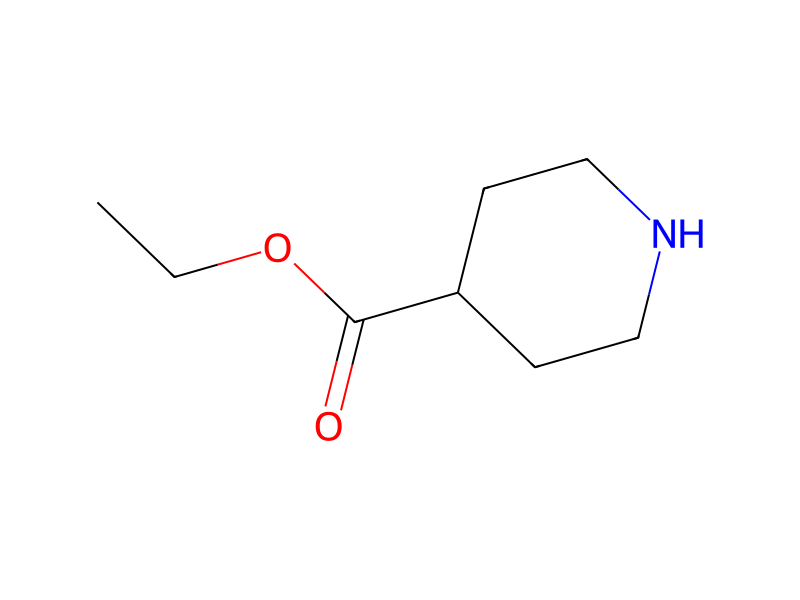

Procedure
In an alternative method, ethyl piperidin-4-ylcarboxylate was reacted with trimethylsilyl chloride, yielding ethyl N-trimethylsilylpiperidin-4-ylcarboxylate (B). Intermediate (B) was then reacted with a two to three molar excess of the Grignard reagent of an appropriately substituted halide, as described above, affording a 4-[bis(substituted)hydroxymethyl]piperidine (C), for example 4-[bis(4-trifluoromethylphenyl)hydroxymethyl]piperidine. Intermediate (C) was reacted with an appropriately substituted phenylalkyl halide, as described above, yielding the corresponding intermediate N-(substituted alkyl)-4-[bis(substituted)hydroxymethyl]piperidine (I). The N-oxide of (I) and the targeted salts and betaines were prepared as describes above.
Sources & evidence
- ORD record
- ord-13770b17b24d46a8bf91ef8eed08494d
- Source dataset
- uspto-grants-1998_08
- Patent number
- US05795901
Reaction notes
Loading…