4-Methylmorpholine → HCID 57677483, compound
Reaction equation

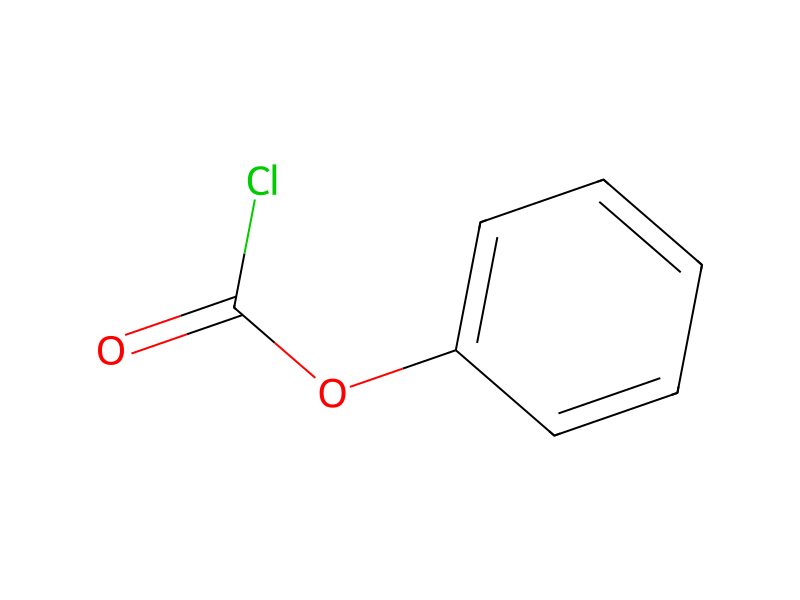
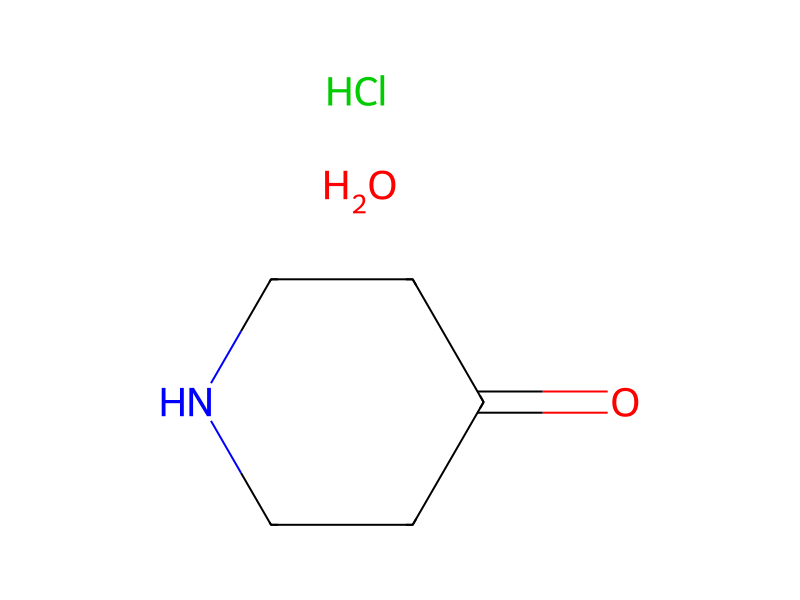
[NH2:1][C:2]1[CH:7]=[C:6]([O:8][C:9]2[CH:14]=[CH:13][C:12]([NH:15][C:16]([NH:18][C:19](=[O:27])[CH2:20][C:21]3[CH:26]=[CH:25][CH:24]=[CH:23][CH:22]=3)=[S:17])=[CH:11][C:10]=2[F:28])[CH:5]=[CH:4][N:3]=1.CN1CC[O:33][CH2:32]C1.ClC(OC1C=CC=CC=1)=O.O.Cl.[O:48]=[C:49]1[CH2:54][CH2:53][NH:52][CH2:51][CH2:50]1>O1CCCC1.CN(C)C=O>[F:28][C:10]1[CH:11]=[C:12]([NH:15][C:16]([NH:18][C:19](=[O:27])[CH2:20][C:21]2[CH:22]=[CH:23][CH:24]=[CH:25][CH:26]=2)=[S:17])[CH:13]=[CH:14][C:9]=1[O:8][C:6]1[CH:5]=[CH:4][N:3]=[C:2]([NH:1][C:32]([N:52]2[CH2:53][CH2:54][C:49](=[O:48])[CH2:50][CH2:51]2)=[O:33])[CH:7]=1Participants
Reactant 4


Product 1

Reagents, catalysts & solvents 2


Procedure
2-Amino-4-{2-fluoro-4-[3-(2-phenylacetyl)thioureido]phenoxy}pyridine (100 mg) was dissolved in tetrahydrofuran (2.5 ml) under a nitrogen atmosphere, and then N-methylmorpholine (0.080 ml) and phenyl chloroformate (0.080 ml) were added dropwise thereto while cooling in an ice bath, followed by raising the temperature up to room temperature and stirring for 20 min. The reaction mixture was partitioned between ethyl acetate and a saturated aqueous solution of sodium hydrogencarbonate. The organic layer was washed with a saturated aqueous solution of sodium hydrogencarbonate and brine in this order, and dried over anhydrous sodium sulfate. The solvent was evaporated to give a residue, which was then dissolved in N,N-dimethylformamide (2.5 ml), and then N-methylmorpholine (0.2 ml) and 4-oxopiperidine hydrochloride monohydrate (272 mg) were added thereto at room temperature, followed by stirring for 23 hrs. The reaction mixture was partitioned between ethyl acetate and a saturated aqueous solution of sodium hydrogencarbonate. The organic layer was washed with a saturated aqueous solution of sodium hydrogencarbonate and brine in this order, and dried over anhydrous sodium sulfate. The solvent was evaporated to give a residue, which was then purified by silica gel column chromatography (eluent; ethyl acetate). Fractions containing the target compound were concentrated under a reduced pressure to give a residue, which was dried in vacuum to provide the titled compound (83.1 mg, 63%) as white powder.
Workup
- temperaturewhile cooling in an ice bath
- customThe reaction mixture was partitioned between ethyl acetate
- washThe organic layer was washed with a saturated aqueous solution of sodium hydrogencarbonate and brine in this order
- dry with materialdried over anhydrous sodium sulfate
- customThe solvent was evaporated
- customto give a residue, which
- customat room temperature
- stirringby stirring for 23 hrs
- customThe reaction mixture was partitioned between ethyl acetate
- washThe organic layer was washed with a saturated aqueous solution of sodium hydrogencarbonate and brine in this order
- dry with materialdried over anhydrous sodium sulfate
- customThe solvent was evaporated
- customto give a residue, which
- customwas then purified by silica gel column chromatography (eluent; ethyl acetate)
- additionFractions containing the target compound
- concentrationwere concentrated under a reduced pressure
- customto give a residue, which
- customwas dried in vacuum
Sources & evidence
- ORD record
- ord-c5a1705d891b4efc8b0aa40339f51ab0
- Source dataset
- uspto-grants-2009_05
- Patent number
- US07531532B2
Reaction notes
Loading…