Benzophenone → HCID 178445811, compound
Reaction equation

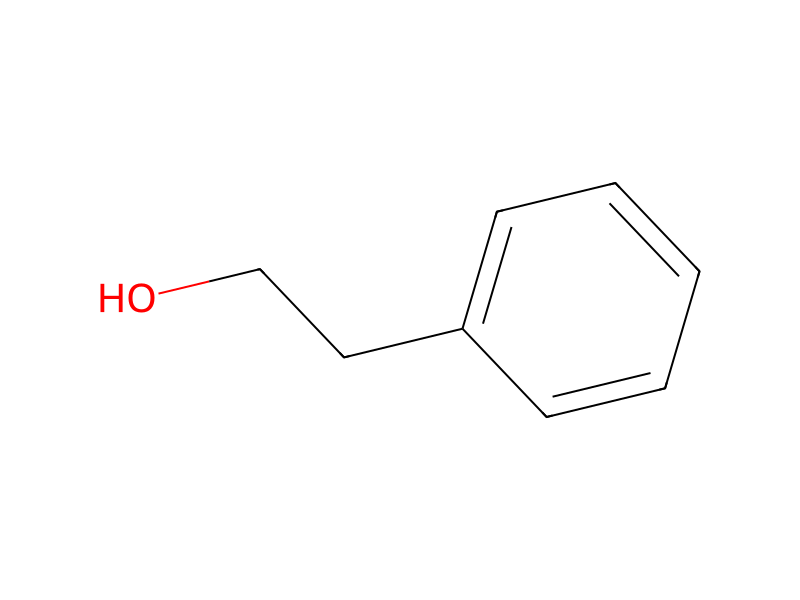
CC([O-])(C)C.[K+].C(C1C=CC=CC=1)(=O)C.C(C1C=CC=CC=1)(=O)C1C=CC=CC=1.C1C=CC(CCO)=CC=1.C(O)(C1C=CC=CC=1)C1C=CC=CC=1.[C:53]([CH:57]1[CH2:62][CH2:61][C:60](=[O:63])[CH2:59][CH2:58]1)([CH3:56])([CH3:55])[CH3:54]>>[C:53]([C@@H:57]1[CH2:58][CH2:59][C@H:60]([OH:63])[CH2:61][CH2:62]1)([CH3:56])([CH3:54])[CH3:55]Participants





Procedure
The effectiveness of ruthenium-aryl-aminophosphine catalysts for the hydrogenation of ketones and aldehydes was investigated. The results are summarized in Tables 1-3. Table 1 shows the hydrogenation of a variety of ketones using complex 1 (FIG. 3) and KOtBu as the catalyst at room temperature. Acetophenone and benzophenone were readily converted to phenylethanol and benzhydrol, respectively. The hydrogenation of 4-tert-butylcyclohexanone was completed at room temperature and resulted in predominantly cis-4-tert-butylcyclohexanol (80%). Cis-4-tert-butylcyclohexanol is very valuable in the fragrance industry since it is used to prepare cis-4-tert-butylcyclohexyl acetate (woody acetate). The hydrogenation of the conjugated ketone benzalacetone resulted in the allyl alcohol as the only detectable product. Likewise, only the carbonyl group of 5-hexen-2-one was reduced to give the unsaturated alcohol. A 95% conversion of the ketone to the alcohol was observed in the reduction of norcamphor resulting in 75% endo-norborneol and 25% exo-norborneol. Benzaldehyde and acetyl ferrocene were converted to the respective alcohols.
Workup
- customat room temperature
- customwas completed at room temperature
Sources & evidence
- ORD record
- ord-f5f6485ee13f46df8f436678ea8d07f7
- Source dataset
- uspto-grants-2010_08
- Patent number
- US07772445B2
Reaction notes
Loading…