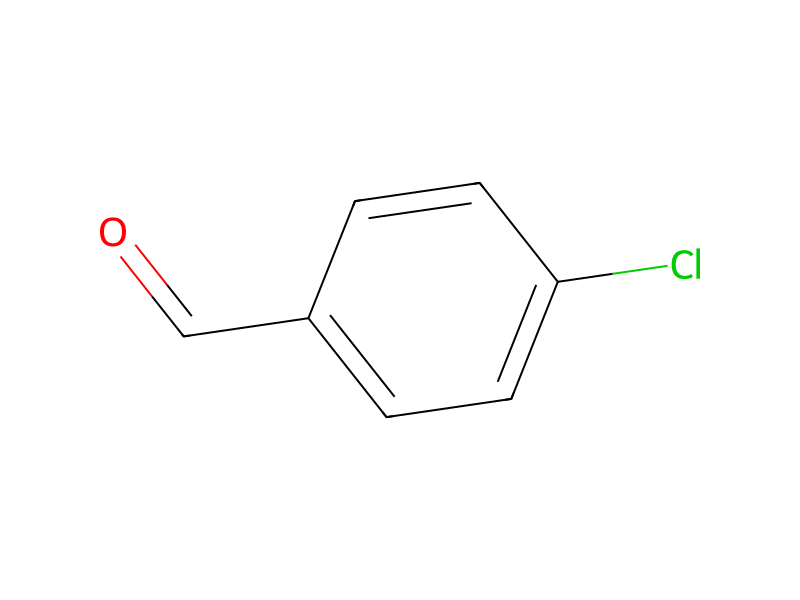
4-Chlorobenzaldehyde → methyl 5-[(E)-2-(4-chlorophenyl)vinyl]4-nitrothiophene-2-carboxylate
Reaction equation

[CH3:1][C:2]1[S:6][C:5]([C:7]([O:9][CH3:10])=[O:8])=[CH:4][C:3]=1[N+:11]([O-:13])=[O:12].[Cl:14][C:15]1[CH:22]=[CH:21][C:18]([CH:19]=O)=[CH:17][CH:16]=1.N1CCCC1>CO>[Cl:14][C:15]1[CH:22]=[CH:21][C:18](/[CH:19]=[CH:1]/[C:2]2[S:6][C:5]([C:7]([O:9][CH3:10])=[O:8])=[CH:4][C:3]=2[N+:11]([O-:13])=[O:12])=[CH:17][CH:16]=1Participants
5




Procedure
A solution (1.74 M) of methyl 5-methyl-4-nitrothiophene-2-carboxylate (prepared as described in example 1, step 1) in MeOH, was treated with 4-chlorobenzaldehyde (1.5 eq.). The reaction mixture was heated to reflux and when it became a clear solution, a catalytic amount of pyrrolidine (0.10 eq.) was added. The reaction mixture was heated to reflux overnight. After cooling down, evaporation of the solvent gave a residue that was triturated with petroleum ether/Et2O and filtered to afford the title compound title compound (67%) as a solid.
Workup
- temperatureThe reaction mixture was heated
- temperatureto reflux
- temperatureThe reaction mixture was heated
- temperatureto reflux overnight
- temperatureAfter cooling down
- customevaporation of the solvent
- customgave a residue that
- customwas triturated with petroleum ether/Et2O
- filtrationfiltered
Sources & evidence
- ORD record
- ord-689230cc1d6842b08e211d86aa259735
- Source dataset
- uspto-grants-2010_08
- Patent number
- US07781431B2
Reaction notes
Loading…