1-((4-Bromophenyl)diazenyl)pyrrolidine → 3-(4-(Pyrrolidin-1-yldiazenyl)phenyl)oxetan-3-ol
Reaction equation

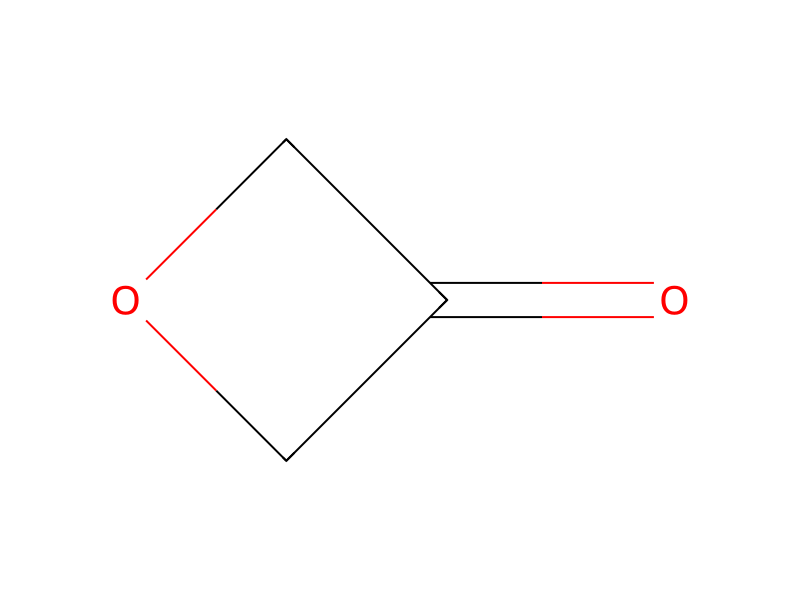
Br[C:2]1[CH:7]=[CH:6][C:5]([N:8]=[N:9][N:10]2[CH2:14][CH2:13][CH2:12][CH2:11]2)=[CH:4][CH:3]=1.[Li]CCCC.[O:20]1[CH2:23][C:22](=[O:24])[CH2:21]1>C1COCC1>[N:10]1([N:9]=[N:8][C:5]2[CH:6]=[CH:7][C:2]([C:22]3([OH:24])[CH2:23][O:20][CH2:21]3)=[CH:3][CH:4]=2)[CH2:14][CH2:13][CH2:12][CH2:11]1Participants
5
Reactant 3


Product 1

Reagents, catalysts & solvents 1

Conditions
- Temperature
- -78 °C
Procedure
To a solution of 1-((4-bromophenyl)diazenyl)pyrrolidine (500 mg, 1.97 mmol) in anhydrous THF (20 mL) was added n-BuLi (1.8 mL, 4.33 mmol) dropwise at −78° C. under N2. The solution was stirred at −78° C. for 1 h, followed by the addition of oxetan-3-one (326 mg, 4.53 mmol). The resultant mixture was stirred at RT for 18 h. The reaction was quenched by saturated aqueous NH4Cl aq. (20 mL) and extracted with ethyl acetate (20 mL*3). The combined organic layers were concentrated under reduced pressure to give a residue, which was purified by silica gel chromatography (DCM:MeOH=20:1) to afford the title compound (500 mg, yield 97%) as a light yellow solid. MS (ES+) C13H17N3O2 requires: 247, found 248 [M+H]+, purity: 90%.
Workup
- customThe reaction was quenched by saturated aqueous NH4Cl aq. (20 mL)
- extractionextracted with ethyl acetate (20 mL*3)
- concentrationThe combined organic layers were concentrated under reduced pressure
- customto give a residue, which
- customwas purified by silica gel chromatography (DCM:MeOH=20:1)
Sources & evidence
- ORD record
- ord-d382f485bfa34df4a1d4a9d4037958be
- Source dataset
- uspto-grants-2016_05
- Patent number
- US09334263B2
Reaction notes
Loading…