Glycerol → 8-Bromo-6-(propan-2-yl)quinoline
Reaction equation

[Br:1][C:2]1[CH:7]=[C:6]([CH:8]([CH3:10])[CH3:9])[CH:5]=[CH:4][C:3]=1[NH2:11].[CH2:12](O)[CH:13](O)[CH2:14]O.[Na+].[N+](C1C=C(S([O-])(=O)=O)C=CC=1)([O-])=O.[OH-].[Na+]>CS(O)(=O)=O>[Br:1][C:2]1[CH:7]=[C:6]([CH:8]([CH3:9])[CH3:10])[CH:5]=[C:4]2[C:3]=1[N:11]=[CH:14][CH:13]=[CH:12]2Participants
6
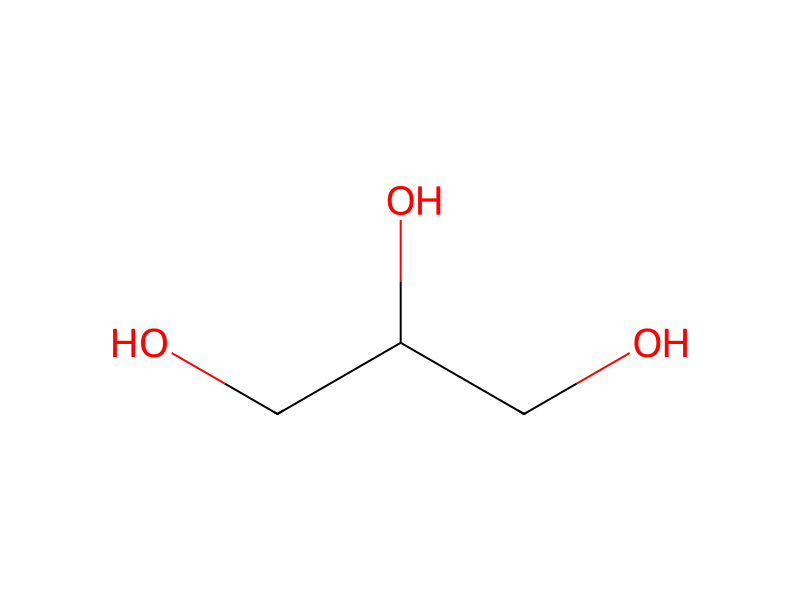



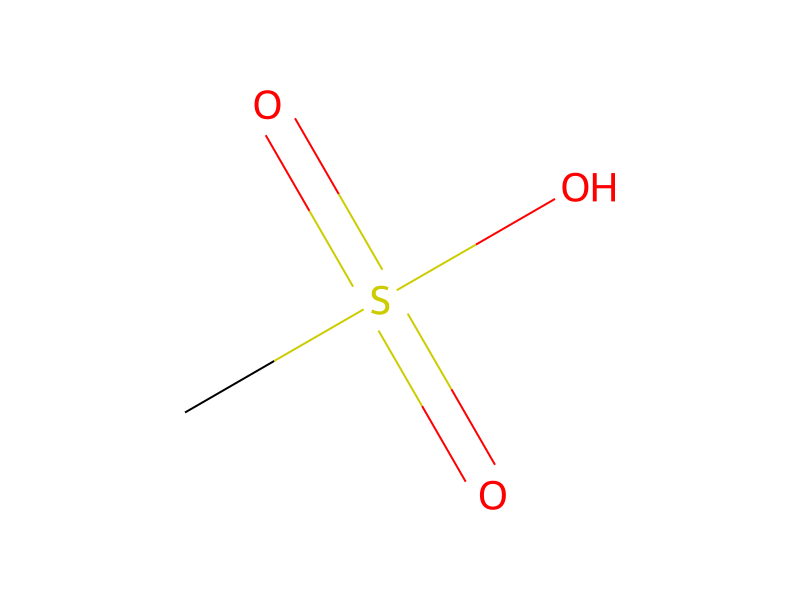
Conditions
- Temperature
- 135 °C
Procedure
A mixture of 2-bromo-4-isopropyl-phenylamine (1.72 g, 8.0 mmol), propane-1,2,3-triol (1.84 g, 2.5 equiv), FeSO4 (0.067 g, 0.30 equiv), 3-nitrobenzenesulfonic acid sodium salt (1.13 g, 0.63 equiv) in 4.5 mL of methanesulfonic acid was heated to 135° C. for 3 hours and then cooled down to room temperature. 2 N Aqueous NaOH (˜40 mL) was added and the mixture was extracted with EtOAc (3×50 mL). The organic layer was washed with saturated aqueous NaHCO3 (200 mL) and brine (200 mL), dried over magnesium sulfate and concentrated. The residue was purified by silica gel chromatography using 5% to 20% EtOAc in hexane to afford the title compound (1.3 g, 65%) as dark brown solid. MS (ES) m/z 250.2 (M+H+).
Workup
- temperaturecooled down to room temperature
- extractionthe mixture was extracted with EtOAc (3×50 mL)
- washThe organic layer was washed with saturated aqueous NaHCO3 (200 mL) and brine (200 mL)
- dry with materialdried over magnesium sulfate
- concentrationconcentrated
- customThe residue was purified by silica gel chromatography
Sources & evidence
- ORD record
- ord-3e80208653d0411ca5efab0af4c1d2ee
- Source dataset
- uspto-grants-2014_10
- Patent number
- US08853202B2
Reaction notes
Loading…