Ethyl 4,6-dichloro-2-methylnicotinate → (4,6-Dichloro-2-methylpyridin-3-yl)methanol
Reaction equation

[Cl:1][C:2]1[C:7]([C:8](OCC)=[O:9])=[C:6]([CH3:13])[N:5]=[C:4]([Cl:14])[CH:3]=1.[H-].C([Al+]CC(C)C)C(C)C.C(C(C(C([O-])=O)O)O)([O-])=O.[K+].[Na+]>C1COCC1>[Cl:1][C:2]1[CH:3]=[C:4]([Cl:14])[N:5]=[C:6]([CH3:13])[C:7]=1[CH2:8][OH:9]Participants

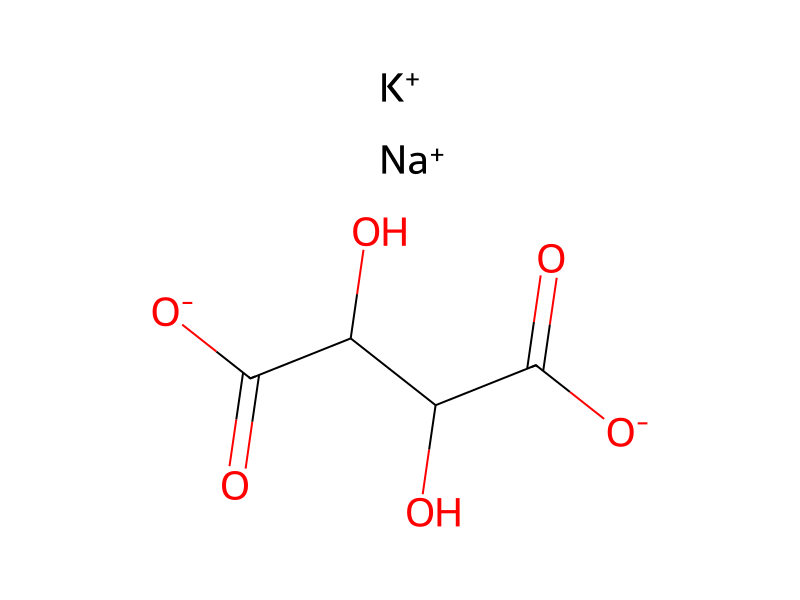



Conditions
- Temperature
- 0 °C
Procedure
THF (52.3 mL) was cooled to 0° C. in a dry round bottomed flask under an atmosphere of N2. Ethyl 4,6-dichloro-2-methylnicotinate (4.60 mL, 26.1 mmol) was then added followed by diisobutylaluminum hydride (57.5 mL, 57.5 mmol). The reaction was stirred at 0° C. for 3 h. The reaction was then poured into cold saturated sodium potassium tartrate solution. The mixture was stirred for several hours to allow the precipitate to dissolve, then the aqueous phase was extracted with EtOAc. The organic layer was dried over magnesium sulfate, filtered, and concentrated in vacuo. The residue was purified by flash chromatography (0-50% EtOAc/hexanes) to give (4,6-dichloro-2-methylpyridin-3-yl)methanol. MS ESI calc'd. for C7H7Cl2NO [M+1]+ 192. found 192.
Workup
- stirringThe mixture was stirred for several hours
- dissolutionto dissolve
- extractionthe aqueous phase was extracted with EtOAc
- dry with materialThe organic layer was dried over magnesium sulfate
- filtrationfiltered
- concentrationconcentrated in vacuo
- customThe residue was purified by flash chromatography (0-50% EtOAc/hexanes)
Sources & evidence
- ORD record
- ord-86d7ad49606748bea40370da620da2e4
- Source dataset
- uspto-grants-2016_01
- Patent number
- US09233979B2
Reaction notes
Loading…