Hydrochloric Acid → 2-(2-Aminoethoxy)-4-bromobenzonitrile hydrochloride
Reaction equation

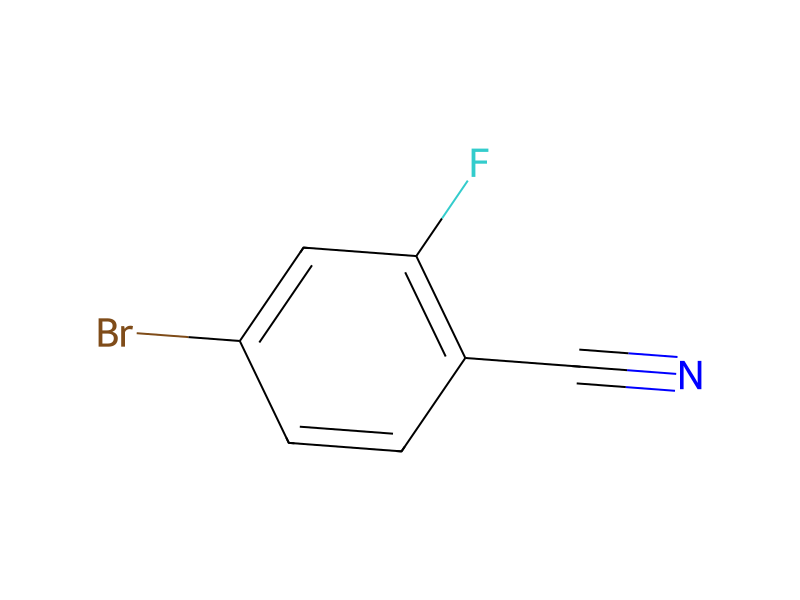
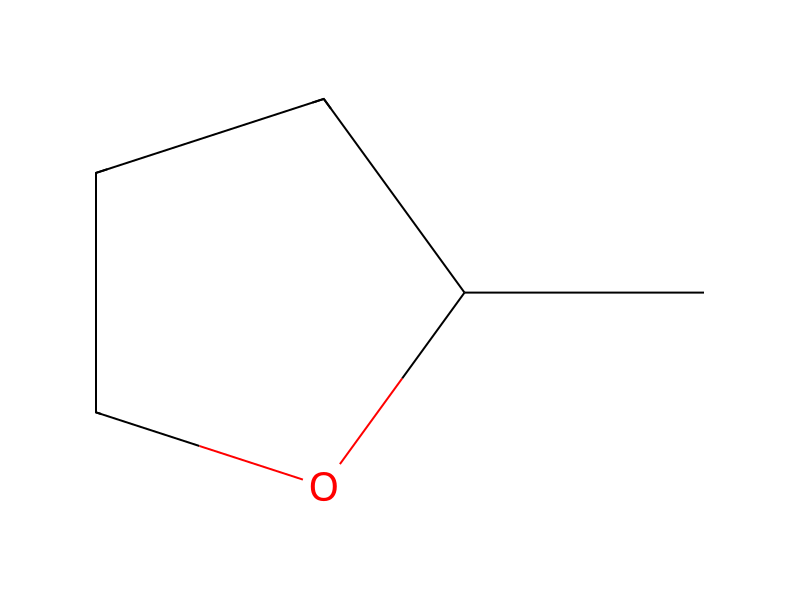
[Br:1][C:2]1[CH:9]=[CH:8][C:5]([C:6]#[N:7])=[C:4](F)[CH:3]=1.[NH2:11][CH2:12][CH2:13][OH:14].CC(C)([O-])C.[K+].O1CCCC1.[ClH:26].C(O)(C)C>CC1CCCO1>[ClH:26].[NH2:11][CH2:12][CH2:13][O:14][C:4]1[CH:3]=[C:2]([Br:1])[CH:9]=[CH:8][C:5]=1[C:6]#[N:7]Participants
Reactant 6





Product 1

Reagents, catalysts & solvents 1
Conditions
- Temperature
- 0 °C
Procedure
Alternatively, reaction of 11 with 2-aminoethanol and potassium tert-butoxide displaces fluorine to give 2-(2-aminoethoxy)-4-bromobenzonitrile hydrochloride 37. Ring closure of 37 with trimethylaluminum gave 33 (Scheme 14). A solution of 11 (10 g, 50 mmol) and 2-aminoethanol (3.1 mL, 50.8 mmol) in 2-methyltetrahydrofuran (80 mL) was cooled to 0° C. and a solution of 1M potassium tert-butoxide in tetrahydrofuran (55 mL, 55 mmol) was slowly added while maintaining the solution temperature below 5° C. The reaction was stirred at 0° C. for 30 min until judged complete by HPLC at which point it was warmed to 25° C. A solution of 0.5M HCl in isopropanol (100 mL, 50 mmol) was added and the desired HCl salt 3 crystallized directly from the solution. The solid was collected by filtration and dried under vacuum with a nitrogen bleed to give 2-(2-aminoethoxy)-4-bromobenzonitrile hydrochloride 37 as a white solid. (12.1 g, 87% yield).
Workup
- temperaturewhile maintaining the solution temperature below 5° C
- temperaturewas warmed to 25° C
- customthe desired HCl salt 3 crystallized directly from the solution
- filtrationThe solid was collected by filtration
- customdried under vacuum with a nitrogen
Sources & evidence
- ORD record
- ord-1ea91c46c23844dba0ddc70b485ec2a3
- Source dataset
- uspto-grants-2016_04
- Patent number
- US09303043B2
Reaction notes
Loading…