Tetrahydrofuran → phenyl N-[3-(propan-2-yl)phenyl]carbamate
Reaction equation

F[C:2](F)(F)[C:3]1[CH:8]=[CH:7]N=C(N)[N:4]=1.[C:12](=O)([O-])[O-].[K+].[K+].Cl[C:19]([O:21][C:22]1[CH:27]=[CH:26][CH:25]=[CH:24][CH:23]=1)=[O:20].O1[CH2:32][CH2:31][CH2:30][CH2:29]1>>[CH:30]([C:31]1[CH:4]=[C:3]([NH:2][C:19](=[O:20])[O:21][C:22]2[CH:27]=[CH:26][CH:25]=[CH:24][CH:23]=2)[CH:8]=[CH:7][CH:32]=1)([CH3:12])[CH3:29]Participants
5




Procedure
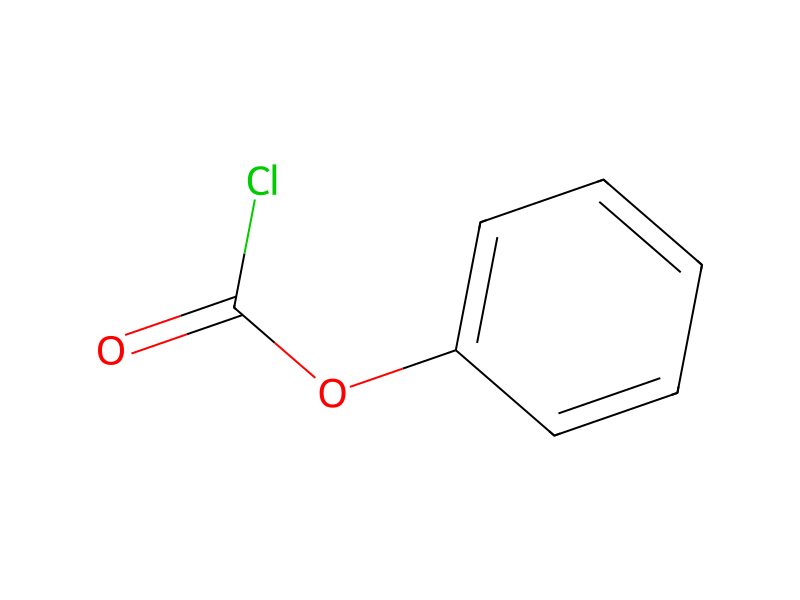
According to the procedure described in Example 113B, 4-(trifluoromethyl)pyrimidin-2-amine (500 mg, 3.1 mmoles) in 20 mL of tetrahydrofuran. To this solution was added potassium carbonate (533 mg, 4 mmoles) followed by phenyl chloroformate (626 mg, 4 mmoles). This was stirred at room temperature overnight. After 24 hours, and additional portion of phenyl chloroformate was added and the reaction heated to 60 C for 3 days. This solution was concentrated to dryness and purified by silica chromatography (eluting with a gradient of 0-5% ethyl acetate/dichloromethane) to afford phenyl 3-isopropylphenylcarbamate as a solid. 1H NMR (300 MHz, CDCl3) δ 7.6-7.0 (m, 9H), 2.9 (m,1H), 1.35 (m, 6H).
Workup
- waitAfter 24 hours
- temperaturethe reaction heated to 60 C for 3 days
- concentrationThis solution was concentrated to dryness
- custompurified by silica chromatography (
- washeluting with a gradient of 0-5% ethyl acetate/dichloromethane)
Sources & evidence
- ORD record
- ord-cf47ac566af94b9a82290f9bc71afc79
- Source dataset
- uspto-grants-2016_04
- Patent number
- US09320739B2
Reaction notes
Loading…