1-Bromo-4-iodobenzene → Tert-butyl-5-((4-bromophenyl)ethynyl)-2,2-dimethyl-1,3-dioxan-5-ylcarbamate
Reaction equation

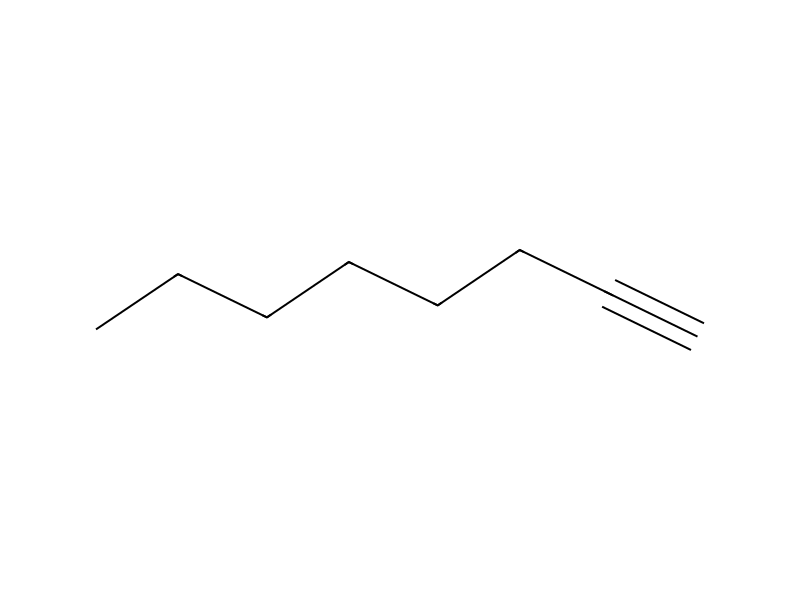
[C:1]([C:3]1([NH:11][C:12](=[O:18])[O:13][C:14]([CH3:17])([CH3:16])[CH3:15])[CH2:8][O:7][C:6]([CH3:10])([CH3:9])[O:5][CH2:4]1)#[CH:2].C#CCCCCCC.[Br:27][C:28]1[CH:33]=[CH:32][C:31](I)=[CH:30][CH:29]=1.IC1C=C2C(=CC=1)CN(C(C1C=CC=CC=1)(C1C=CC=CC=1)C1C=CC=CC=1)C2>>[C:14]([O:13][C:12](=[O:18])[NH:11][C:3]1([C:1]#[C:2][C:31]2[CH:32]=[CH:33][C:28]([Br:27])=[CH:29][CH:30]=2)[CH2:8][O:7][C:6]([CH3:10])([CH3:9])[O:5][CH2:4]1)([CH3:17])([CH3:16])[CH3:15]Participants
5



Procedure
When tert-butyl 5-ethynyl-2,2-dimethyl-1,3-dioxan-5-ylcarbamate was substituted for 1-octyne and 4-bromo-iodobenzene was substituted for 5-iodo-2-tritylisoindoline in Example 2, Step D, the similar process afforded the title compound in 63% yield, as a pale paste, which solidified on standing. 1H-NMR (CDCl3) 1.43 (s, 2H); 1.46 (s, 9H); 1.48 (s, 3H); 4.00 (d, 2H, J=11.35 Hz); 4.08 (d, 2H, J=11.41 Hz); 5.19 (s, 1H); 7.26 (d, 2H, J=6.74 Hz); 7.41 (d, 2H, J=6.67 Hz).
Sources & evidence
- ORD record
- ord-b7d91dd5d4ab479c98881cfba3a41fe2
- Source dataset
- uspto-grants-2015_11
- Patent number
- US09181182B2
Reaction notes
Loading…