Diethanolamine → Ethanol, 2,2'-((4-nitrophenyl)imino)bis-
Reaction equation

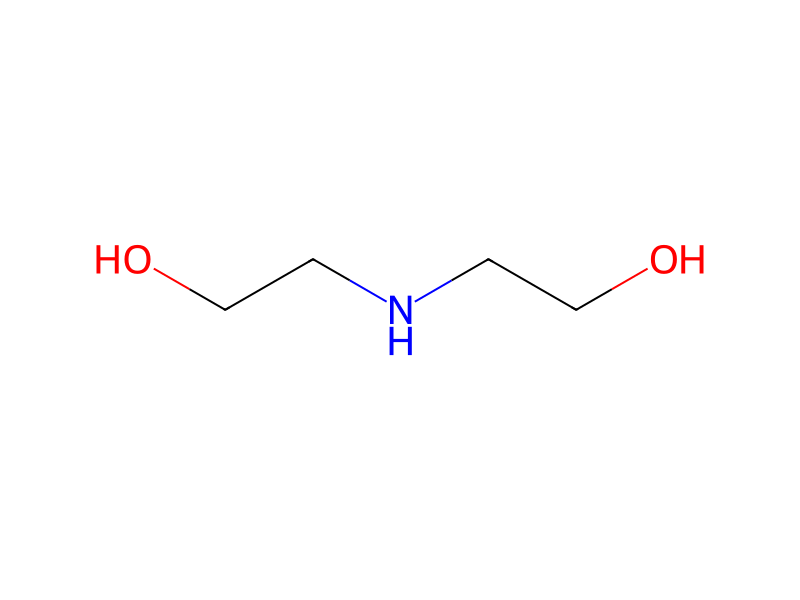
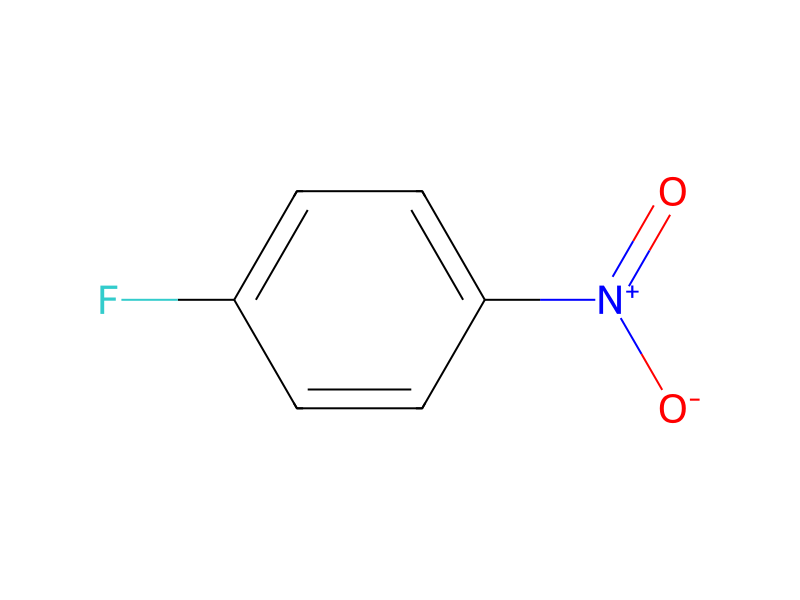
ClCCN(C1C=CC(N=C=O)=CC=1)CCCl.F[C:18]1[CH:23]=[CH:22][C:21]([N+:24]([O-:26])=[O:25])=[CH:20][CH:19]=1.[NH:27]([CH2:31][CH2:32][OH:33])[CH2:28][CH2:29][OH:30]>>[OH:30][CH2:29][CH2:28][N:27]([C:18]1[CH:23]=[CH:22][C:21]([N+:24]([O-:26])=[O:25])=[CH:20][CH:19]=1)[CH2:31][CH2:32][OH:33]Participants


Procedure
The known compound phenylisocyanate N-mustard 19 can be prepared by following the literature procedure35,36 with modification (Scheme 3). The commercially available 4-fluoronitrobenzene (15) is reacted with diethanolamine under refluxing to give 4-[N,N-bis(2-hydroxyethyl)amino]nitrobenzene (16), which is then converted to 4-[N,N-bis(2-chloroethyl)amino]nitrobenzene (17) by treating with thionyl chloride. Catalytic hydrogenation (10% Pd/C, H2) of compound 17 in ethyl acetate affords N,N-bis(2-chloroethyl)benzene-1,4-diamine (18), which is immediately treated with HCl in ethyl acetate to yield hydrochloride salt of 18. The hydrochloride salt 18 is suspended in CHCl3 and cooled in an ice-bath. To the suspension is added triethylamine and stirred in Argon atmosphere for 5 to 10 min. and then is added dropwise triphosgene solution in CHCl3 and continuously stirred for 20 min. The reaction mixture is evaporated under reduced pressure and the residue is the triturated with THF, filtered and the filtrate containing phenylisocyanate 19, which is used directly for the next reaction without purification. Compound 18 and 19 can be used for the synthesis of the newly invented compounds.
Workup
- temperatureunder refluxing
Sources & evidence
- ORD record
- ord-1a0a85159ab64e11a8ce1d99b255094d
- Source dataset
- uspto-grants-2015_11
- Patent number
- US09193687B2
Reaction notes
Loading…