Morpholine → 3-(Morpholin-4-yl)-1,2,5,6-tetrahydropyridin-2-one
Reaction equation

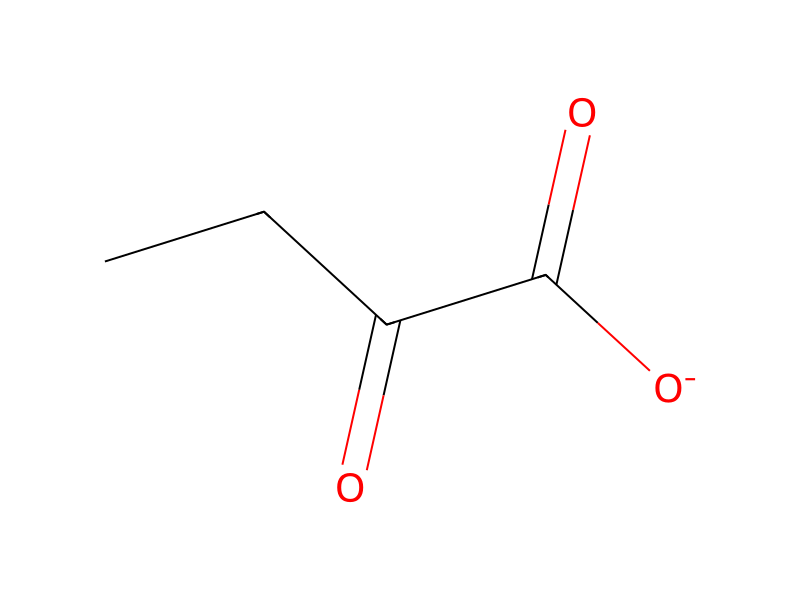
C(C(=O)C([O-])=O)C.COC1C=CC(NN)=CC=1.C1C(=O)N(Cl)C(=O)C1.[CH2:26]1[CH2:32][C:30](=[O:31])[NH:29][CH2:28][CH2:27]1.P(Cl)(Cl)(Cl)(Cl)Cl.[NH:39]1[CH2:44][CH2:43][O:42][CH2:41][CH2:40]1>C(OC(=O)C)C>[N:39]1([C:32]2[C:30](=[O:31])[NH:29][CH2:28][CH2:27][CH:26]=2)[CH2:44][CH2:43][O:42][CH2:41][CH2:40]1Participants
Reactant 6



Product 1

Reagents, catalysts & solvents 1

Procedure
Condensation of ethylglyoxalate with 4-methoxyphenyl hydrazine and chlorination with NCS afforded (4-Methoxy-phenyl)-chlorohydrazono]-acetic acid ethyl ester. Separately d-valerolactam was dichlorinated with PCl5 and treated with morpholine at reflux to afford 3-Morpholin-4-yl-5,6-dihydro-1H-pyridin-2-one. [3+2] cycloaddition of the chlorohydrazone with the morpholine dihydropyridinone obtained above in refluxing toluene and triethylamine afforded the key intermediate 1-(4-Methoxy-phenyl)-7-oxo-4,5,6,7-tetrahydro-1H-pyrazolo[3,4-c]pyridine-3-carboxylic acid ethyl ester. Alkylation (with 4-bromo-butyrylacetate) followed by deprotection of the acetate group as outlined outlined in Example 32, and amidation of the ester with ammonia afforded the desired compound. Mass Spec 357.3(M−H)−.
Workup
- temperatureat reflux
Sources & evidence
- ORD record
- ord-3eb28c09cb4e42dc9edadb44acdeeb86
- Source dataset
- uspto-grants-2006_11
- Patent number
- US07135469B2
Reaction notes
Loading…