Bisphenol A → Phenol, 4,4'-(1-methylethylidene)bis(2-(2-propen-1-yl)-
Reaction equation

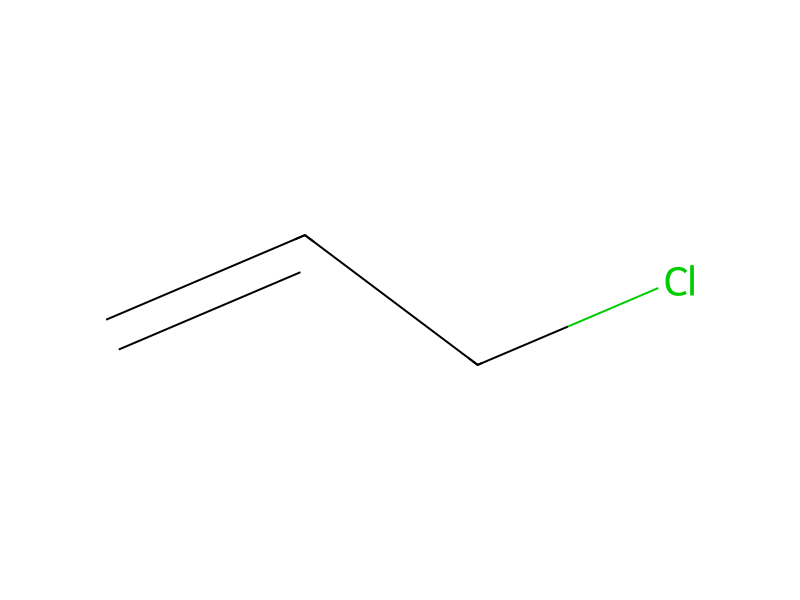
[OH:1][C:2]1[CH:7]=[CH:6][C:5]([C:8]([C:11]2[CH:16]=[CH:15][C:14]([OH:17])=[CH:13][CH:12]=2)([CH3:10])[CH3:9])=[CH:4][CH:3]=1.[CH2:18](OCC=C)[CH:19]=[CH2:20].[C:25]1(C2C(=CC=CC=2)C([O-])=O)[C:26](=CC=C[CH:33]=1)C([O-])=O.C(Cl)C=C>ClC1C=CC=CC=1Cl>[CH2:20]([C:7]1[CH:6]=[C:5]([C:8]([C:11]2[CH:12]=[CH:13][C:14]([OH:17])=[C:15]([CH2:26][CH:25]=[CH2:33])[CH:16]=2)([CH3:10])[CH3:9])[CH:4]=[CH:3][C:2]=1[OH:1])[CH:19]=[CH2:18]Participants
Reactant 4



Product 1

Reagents, catalysts & solvents 1

Procedure
Bis-A {2,2-bis-(4-hydroxyphenyl) propane} was converted to the diallyl ether via reaction of the diphenate salt with allyl chloride. The diallyl ether of Bis-A was heated in refluxing o-dichlorobenzene for 48 hrs to yield 2,2-bis(3-allyl4-hydroxyphenyl)propane. MS m/z 308 (M+ calcd for C21H24O2=308). The diphenol was converted to the dimethyl ether via reaction with methyl iodide as described in Example 2. MS m/z 336 (M+ calcd for C23H28O2=336). H NMR (300 MHz, CDCl3) d 1.70 (s, 6, CH3), 3.37 (m, 4, CH2 allyl), 3.82 (s, 6, OCH3), 4.92–5.05 (m, 4, CH2 vinyl), 5.85–6.15 (m, 2, vinyl), 6.70–7.05 (m, 6, aromatic). Oxidation of the diallyl derivative as described in Example 1 gave 2,2-{bis(3,3-epoxypropyl)4-methoxyphenyl}propane. MS m/z 353 (M+ —CH3) {Calcd for C23H28O4=368}. H NMR (300 MHz, CDCl3) d 1.60 (s, 6, CH3), 2.25 (d, 2, CH2epoxypropyl) 2.60–2.75 (m, 4, CH2 epoxypropyl), 2.85–2.95 (m, 2, CH2 epoxypropyl), 3.15–3.22 (m, 2, CH epoxypropyl) 3.83 (s, 6, OCH3), 6.75 (d, 2, aromatic), 7.10 (d, 4, aromatic).
Sources & evidence
- ORD record
- ord-3fb7f6dde9314aa3bca48c7cbbfbeaed
- Source dataset
- uspto-grants-2006_11
- Patent number
- US07141684B2
Reaction notes
Loading…