1,2,3,4-Tetrahydroisoquinoline → 1,2,3,4-Tetrahydro-7-nitroisoquinoline
Reaction equation

[CH2:1]1[C:10]2[C:5](=[CH:6][CH:7]=[CH:8][CH:9]=2)[CH2:4][CH2:3][NH:2]1.[N+:11]([O-])([O-:13])=[O:12].[K+]>S(=O)(=O)(O)O>[N+:11]([C:8]1[CH:9]=[C:10]2[C:5]([CH2:4][CH2:3][NH:2][CH2:1]2)=[CH:6][CH:7]=1)([O-:13])=[O:12]Participants
Reactant 2

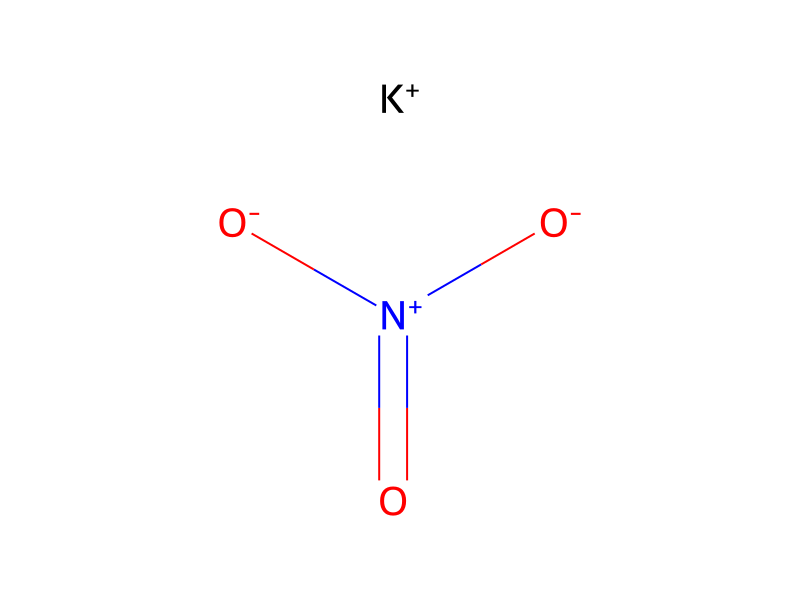
Product 1

Reagents, catalysts & solvents 1

Procedure
This example shows how to make example compounds of the present invention. More specifically, this example demonstrates how to make four aromatic nitro isomers of 6-position nitro-1,2,3,4-tetrahydroisoquinolinylpurine ribosides NBMPR analogues (compounds 2-5). Several literature methods are employed to synthesize the required nitro-1,2,3,4-tetrahydroisoquinoline (compounds 6-9), which are subsequently reacted with the commercially available 6-chloropurine riboside (10) according to Scheme 1 to obtain the target compounds. The commercially available 5-nitroisoquinoline (11) is reduced using sodium borohydride in ethanol to afford the 5-tetrahydroisoquinoline (6) intermediate in good yield (about 90%). The 7-nitrotetrahydroisoquinoline intermediate (8) is prepared in about 50% yield by nitration of the commercially available 1,2,3,4-tetrahydroisoquinoline using KNO3 in concentrated sulfuric acid according to the method of Ajao et al. (1985) (Scheme 3). The 6- and 8-nitro-1,2,3,4-tetrahydroisoquinoline intermediates 7 and 9, are prepared following reaction Scheme 4 according to the report by Tercel et al. (1996) as follows.
Workup
- customin good yield (about 90%)
- customreaction Scheme 4 according to the report by Tercel et al. (1996)
Sources & evidence
- ORD record
- ord-1751e02448a945dbabf83a108c0ad625
- Source dataset
- uspto-grants-2009_09
- Patent number
- US07582616B2
Reaction notes
Loading…