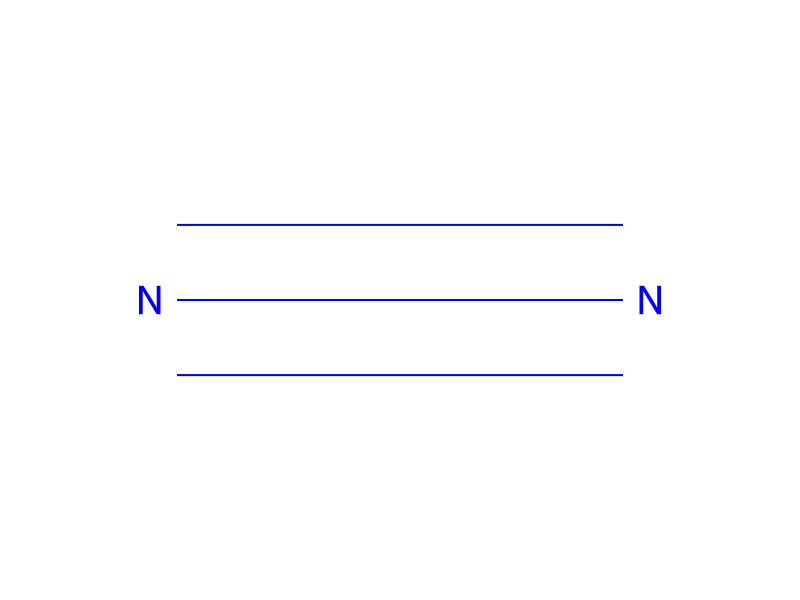
Nitrogen → 4-(3-Cyclopent-1-enyl-indole-1-sulfonyl)-benzoic acid methyl ester
Reaction equation

N#N.[CH3:3][O:4][C:5](=[O:25])[C:6]1[CH:11]=[CH:10][C:9]([S:12]([N:15]2[C:23]3[C:18](=[CH:19][CH:20]=[CH:21][CH:22]=3)[C:17](I)=[CH:16]2)(=[O:14])=[O:13])=[CH:8][CH:7]=1.[CH:26]1[CH2:30][CH2:29][CH2:28][CH:27]=1.C([O-])(=O)C.[K+]>[Cl-].C([N+](CCCC)(CCCC)CCCC)CCC.CC(O)=O.CC(O)=O.[Pd].CN(C=O)C>[CH3:3][O:4][C:5](=[O:25])[C:6]1[CH:11]=[CH:10][C:9]([S:12]([N:15]2[C:23]3[C:18](=[CH:19][CH:20]=[CH:21][CH:22]=3)[C:17]([C:26]3[CH2:30][CH2:29][CH2:28][CH:27]=3)=[CH:16]2)(=[O:14])=[O:13])=[CH:8][CH:7]=1Participants
Reactant 4



Product 1

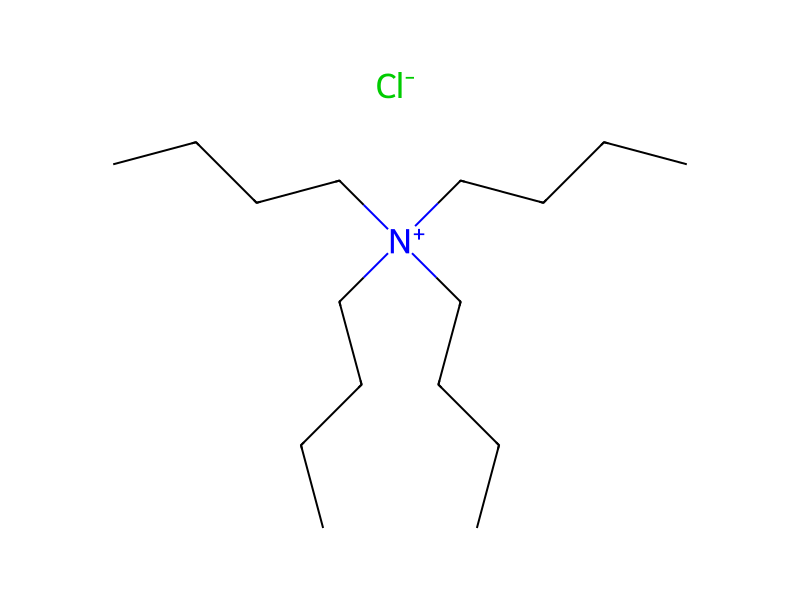
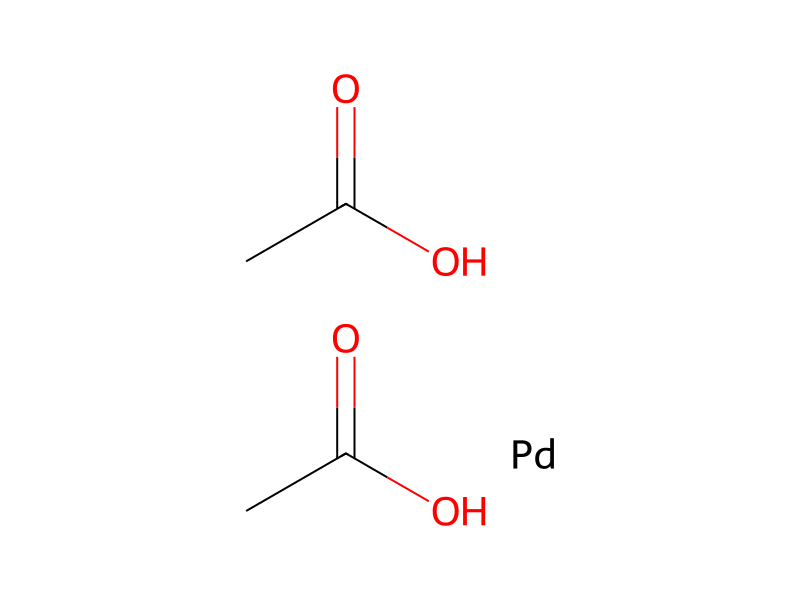
Reagents, catalysts & solvents 3

Conditions
- Temperature
- 62.5 °C
Procedure
Add to a 2-L 3-neck round bottom flask equipped with overhead stirrer, N2 line, and temperature probe 4-(3-Iodo-indole-1-sulfonyl)-benzoic acid methyl ester (69.0 g, 0.156 mol) and anhydrous DMF (700 mL). Add to the stirring solution at room temperature cyclopentene (138.0 mL, 1.57 mol), palladium II acetate (1.8 g, 0.0 mmol), tetrabutylammonium chloride (43.5 g, 0.156 mol), and potassium acetate (46.0 g, 0.469 mol). Warm the resulting dark mixture at 60-65° C. for 16 h. Cool the reaction mixture filter through celite, and back-wash with ethyl acetate (1 L). Partition the solution with 2×1 L of brine, dry the organic layer over sodium sulfate, and chromatographe over flash silica gel (10% ethyl acetate in hexanes gradually increasing to 20% ethyl acetate in hexanes) to provide pure title compound (48.3 g, 81%); MS (ESI) m/z 382 (m+H); 1H NMR (DMSO-d6) reveals the material to actually be a mixture of olefinic 3-substituted cyclopentene indoles (approx. 1:1, with olefinic H's at 5.8, 5.9, and 6.0 ppm integrating to 1H each), suitable as such for subsequent hydrogenation.
Workup
- additionAdd to a 2-L 3-neck round bottom flask
- customequipped with overhead stirrer
- temperatureCool the reaction mixture
- filtrationfilter through celite
- washback-wash with ethyl acetate (1 L)
- customPartition the solution with 2×1 L of brine
- dry with materialdry the organic layer over sodium sulfate, and chromatographe over flash silica gel (10% ethyl acetate in hexanes
- temperaturegradually increasing to 20% ethyl acetate in hexanes)
Sources & evidence
- ORD record
- ord-64bafac0c2c2453b8aaedea6aaee0bcf
- Source dataset
- uspto-grants-2009_09
- Patent number
- US07595339B2
Reaction notes
Loading…